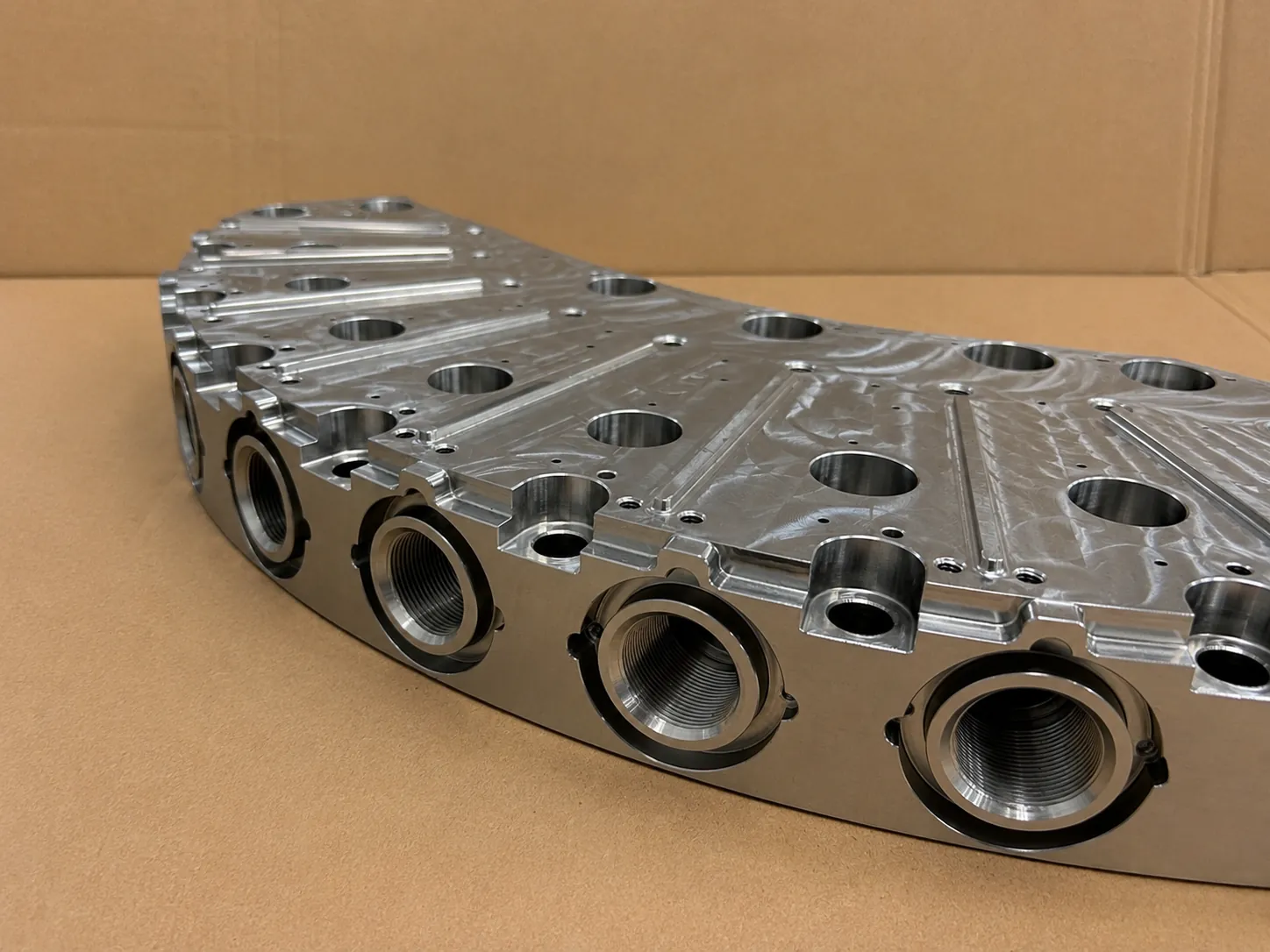
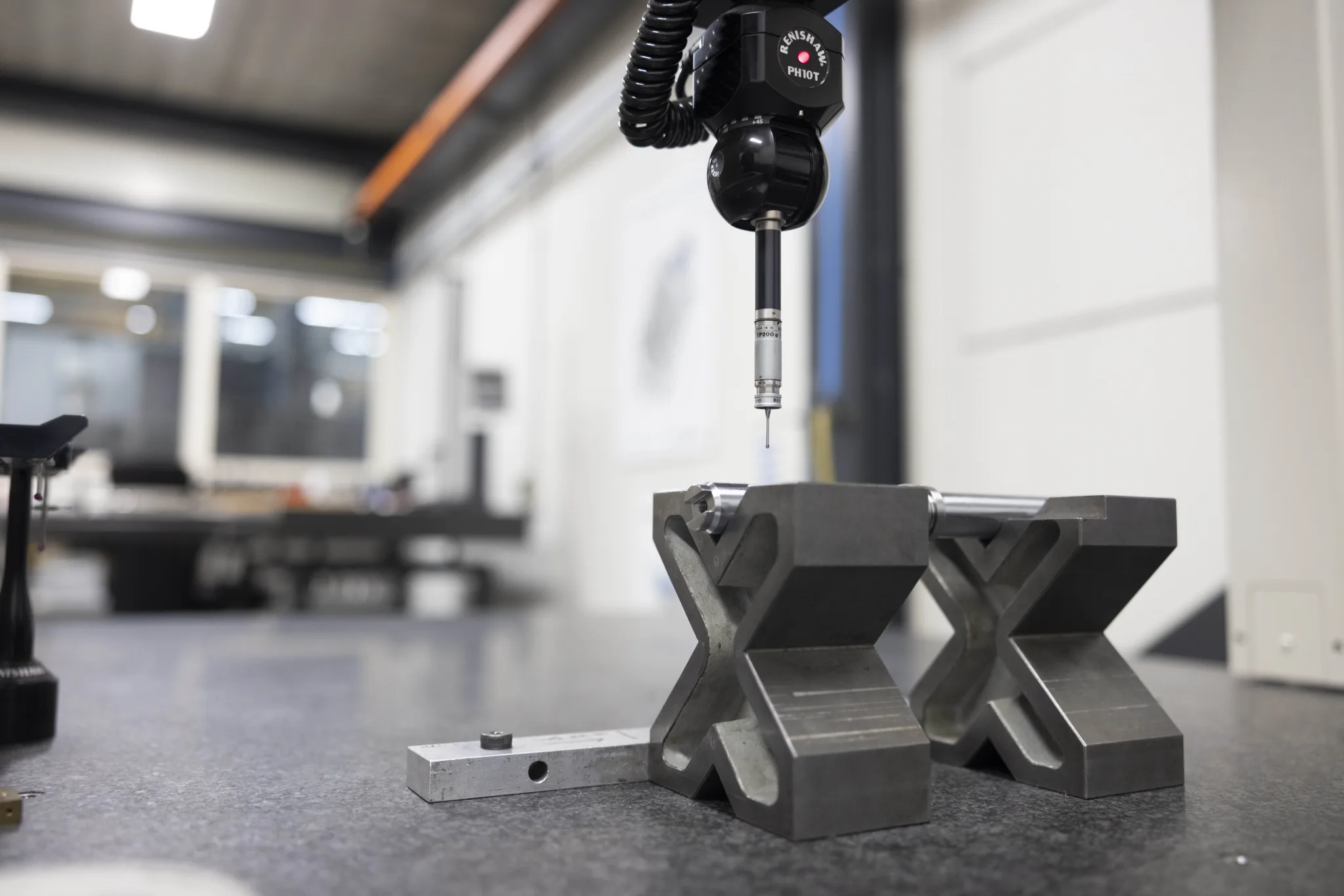
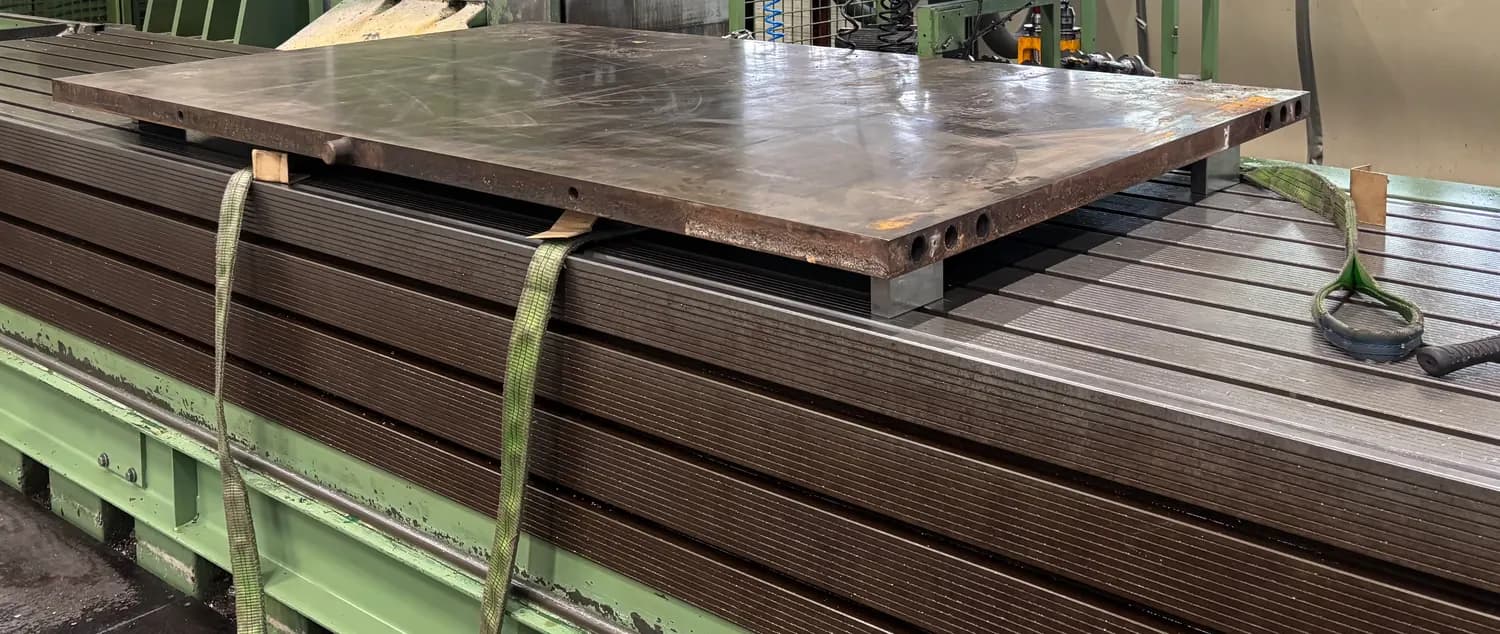
Machining duplex and super duplex: long components, deep channels and residual stress
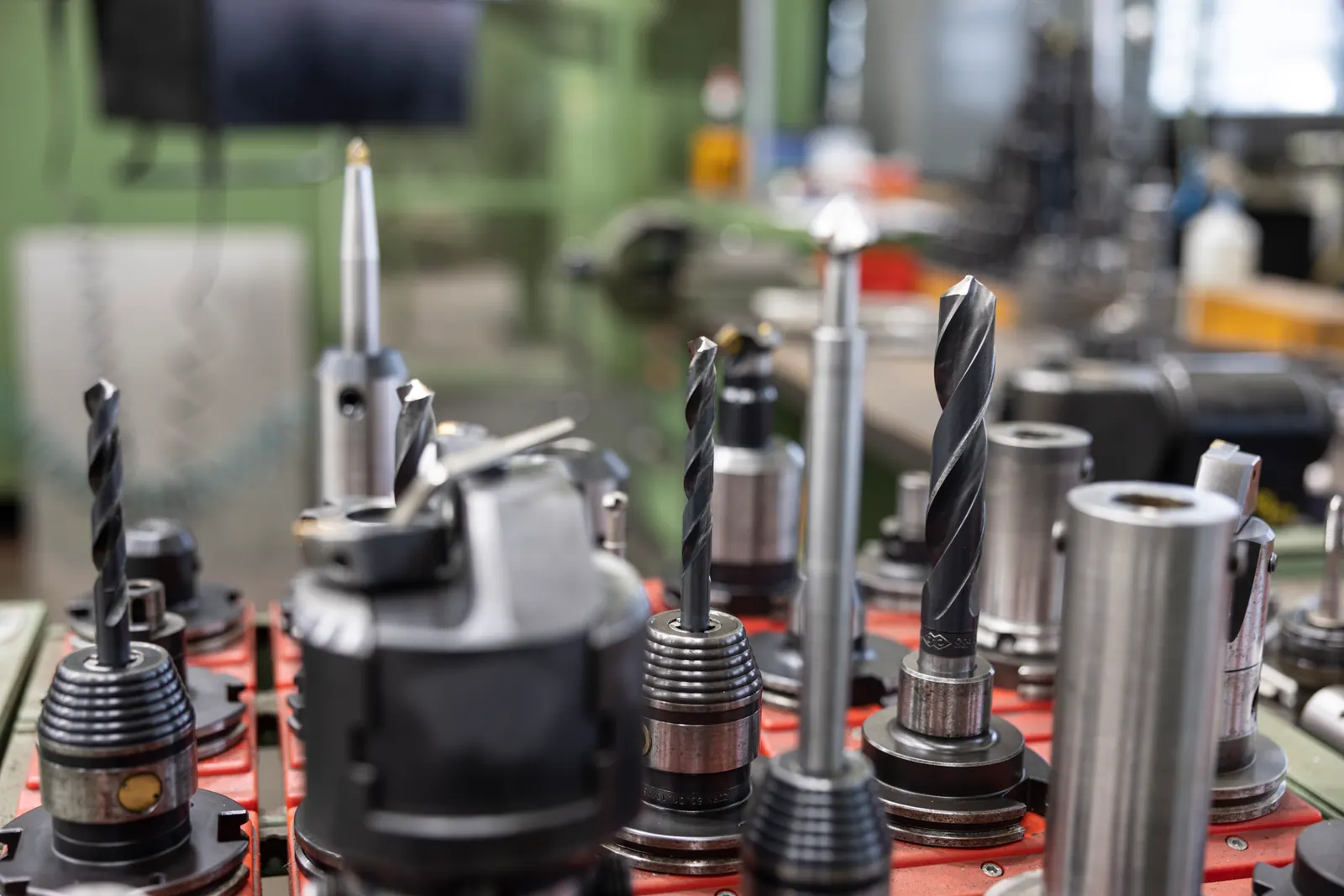
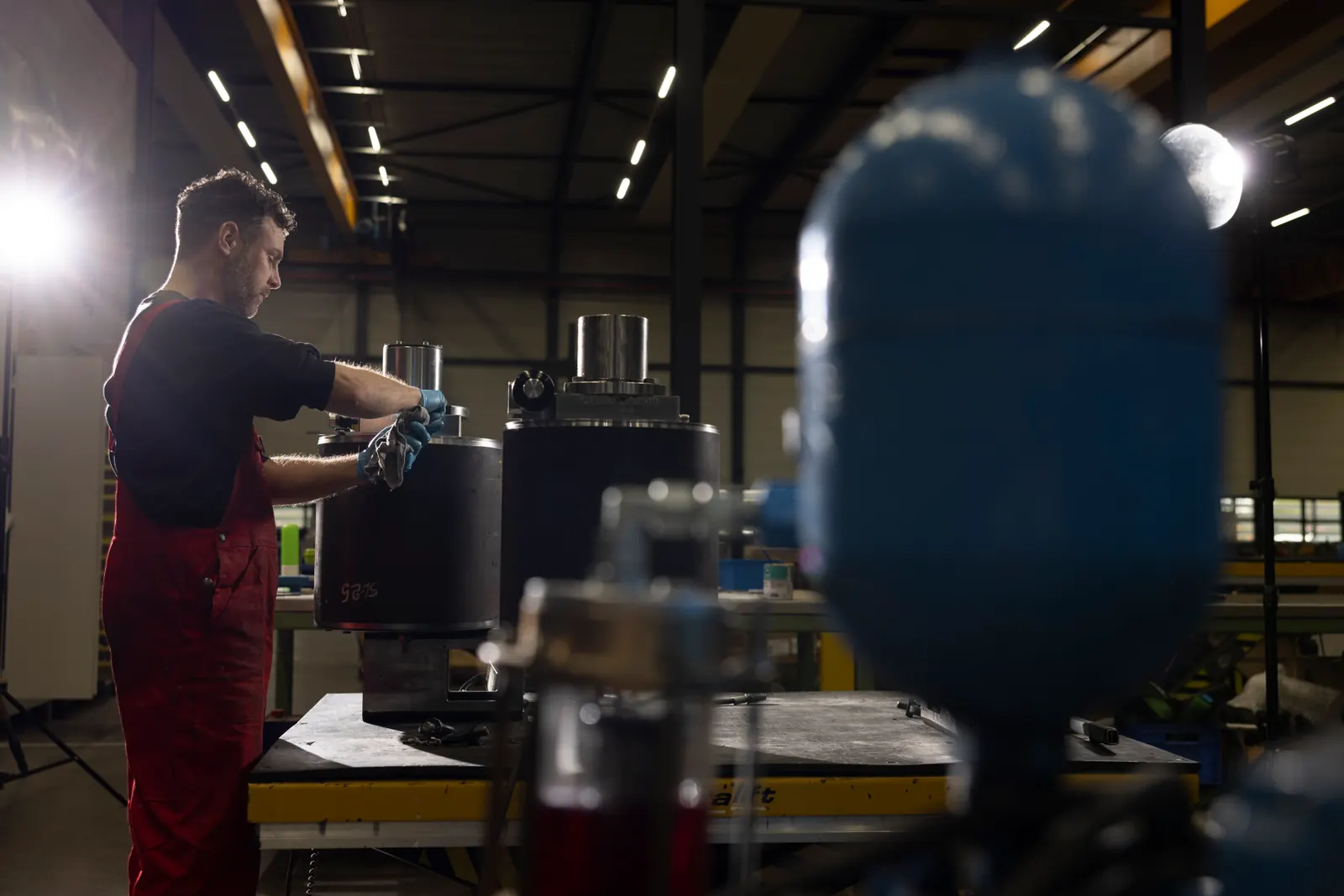
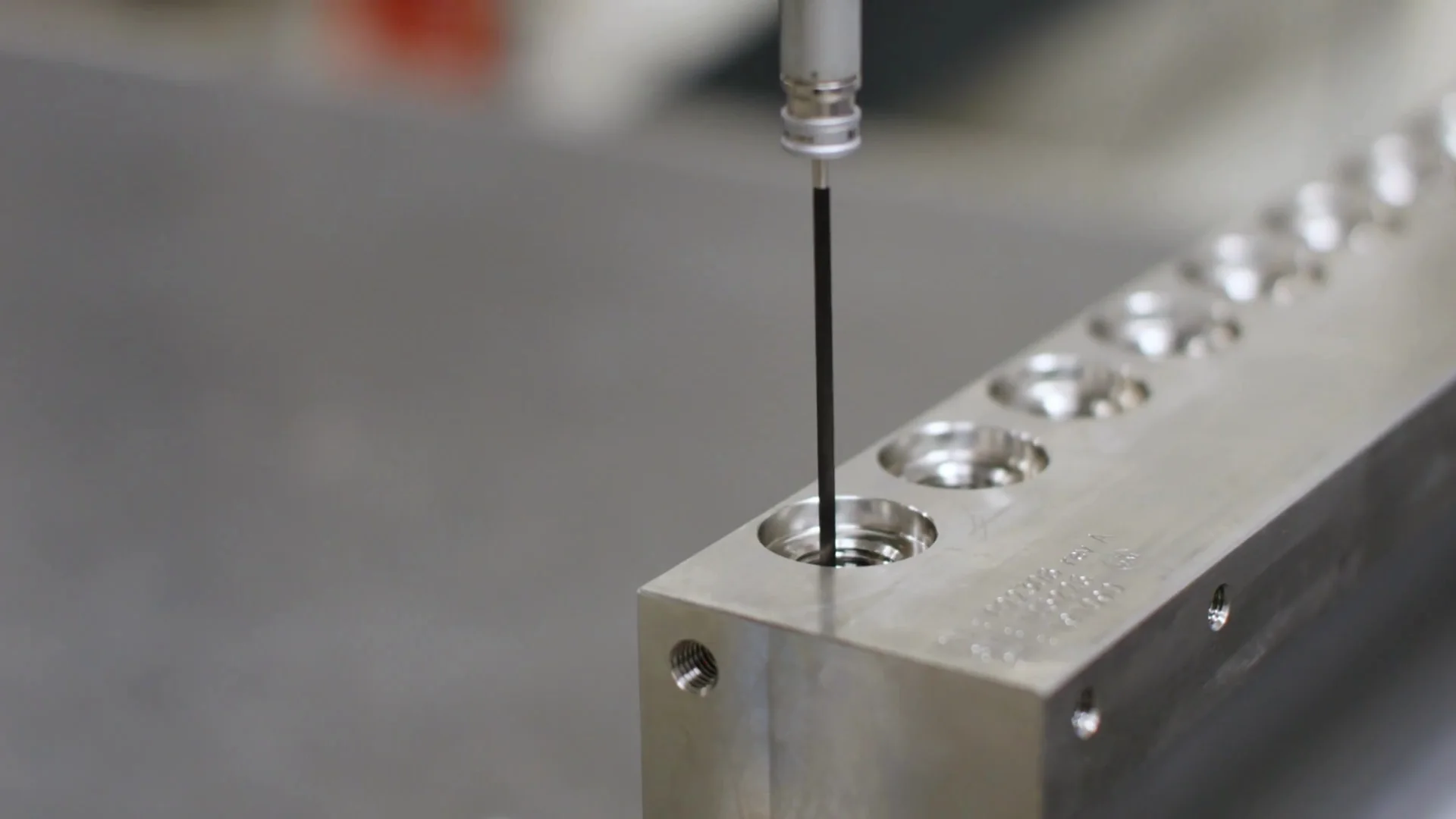
Machining duplex and super duplex requires control of cutting forces, residual stress and chip evacuation. Two practical examples show why the machining sequence matters.
Machining duplex and super duplex: long components, deep channels and residual stress
Machining duplex and super duplex requires control of cutting forces, residual stress and chip evacuation. Two practical examples show why the machining sequence matters.
What is CNC machining, and how does a drawing become a component? Read about milling, turning, material selection, workholding, costs and dimensional inspection.
Machine building: from functional need to tested machine
How does a machine-building project progress? Learn how requirements, interfaces, engineering, assembly and acceptance tests connect for a machine or module.
How do you choose a metalworking process? Compare machining, welding and finishing through geometry, material, tolerances and the required delivery condition.
Reverse engineering: from existing part to manufacturing specification
What is reverse engineering of a component? Learn how function, measurement, wear assessment and validation contribute to a usable manufacturing specification.
Special-purpose machine building: when does a custom machine make sense?
When should you choose a custom machine? Assess process variation, standard modules, testability and maintenance before commissioning a special-purpose design.
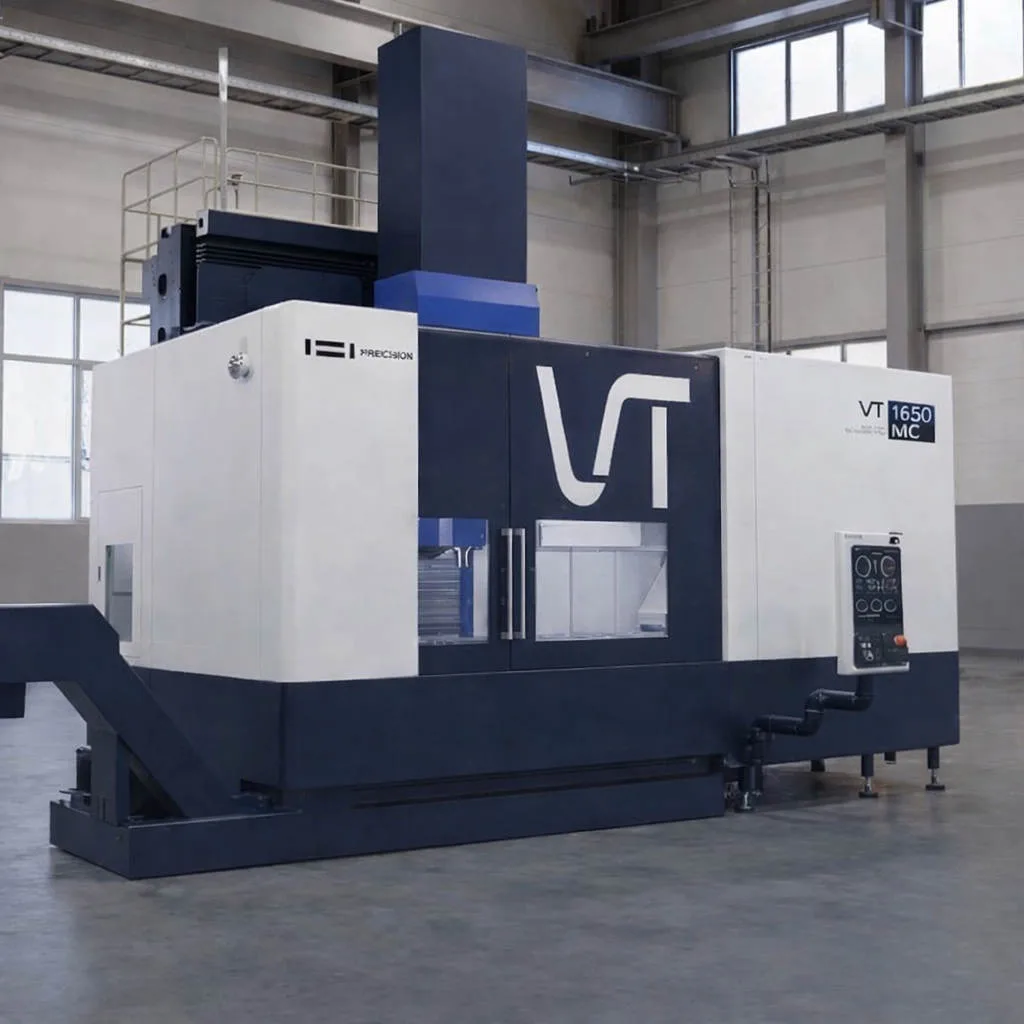
Large work, fewer transfers: the Hwacheon VT-1650 is coming to Douna
A new step for large, heavy turning work. With the forthcoming Hwacheon VT-1650, Douna aims to bring turning, milling and drilling closer together — with fewer transfers between machines.
When is vertical turning suitable for a large workpiece?
Vertical turning suits large, heavy, rotationally symmetrical workpieces when stable support, accessibility and controlled workholding are central considerations.
Which factors determine how a forging is machined?
Initial shape, mill scale, material behaviour, workholding, machining sequence and tolerances together determine how a forging is brought to its final dimensions in a controlled way.
Why measure in a temperature-controlled inspection room?
Temperature differences can affect parts and measuring equipment. A controlled room helps manage this influence; methods, datums and critical features determine the measurement setup.
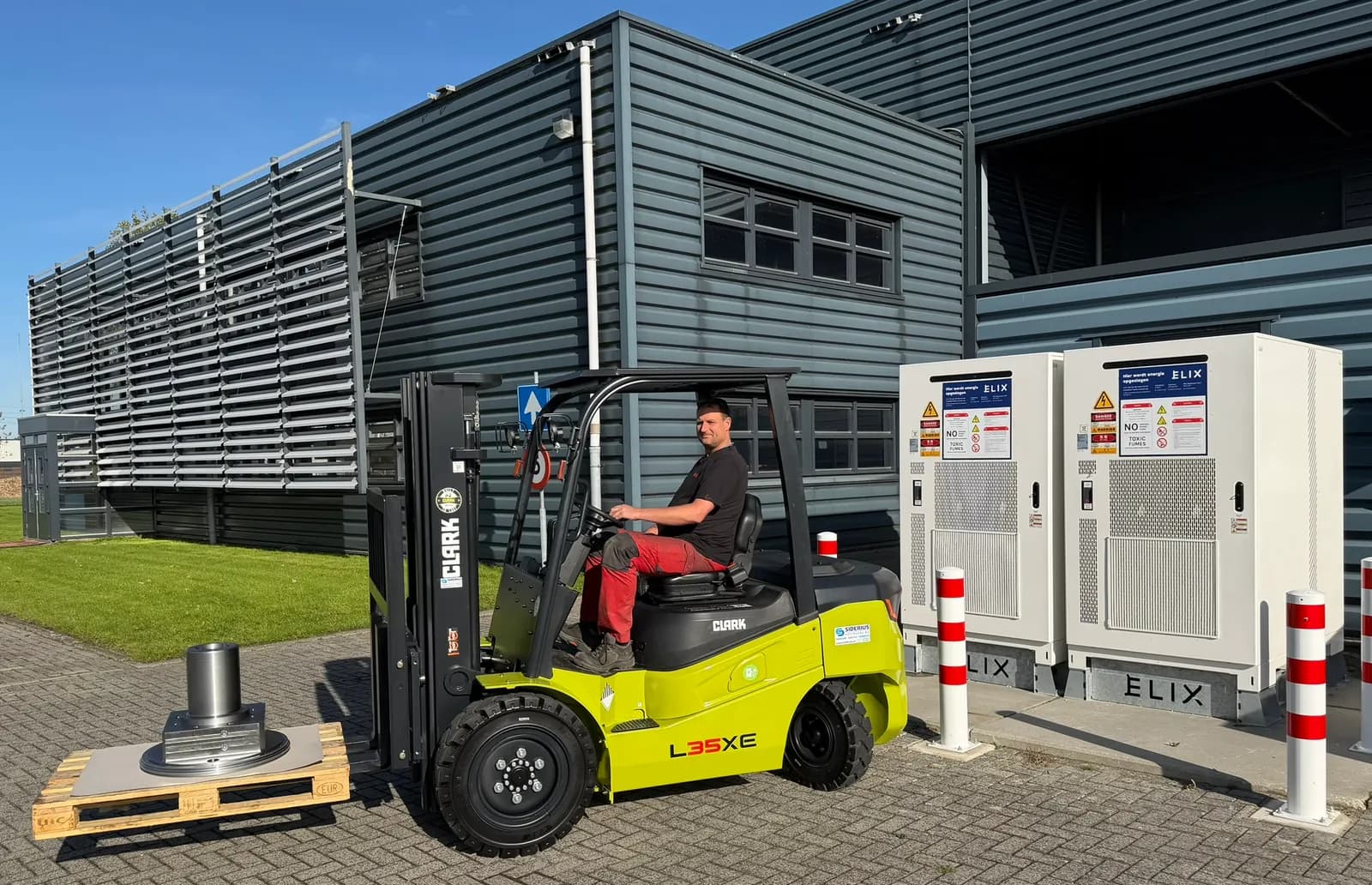
A battery storage system at our Hidalgoweg premises and a new electric Clark L35XE forklift: Douna is taking further practical steps towards sustainability.
Douna ready for winter: new marathon skating season and Weissensee team
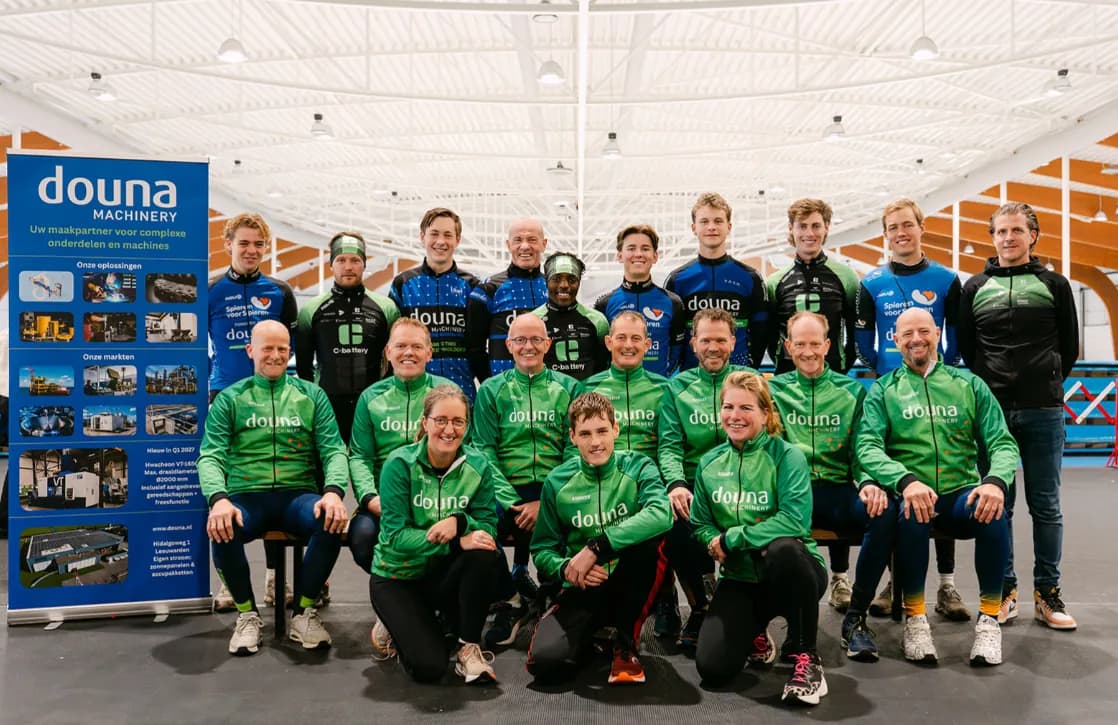
The skates are sharpened and the teams are ready to start. On Saturday 17 October, the 2026–2027 season begins for the Douna Machinery / Spieren voor Spieren and C-battery marathon skating teams.
First N₂O day at KWR: from measurement to lower emissions
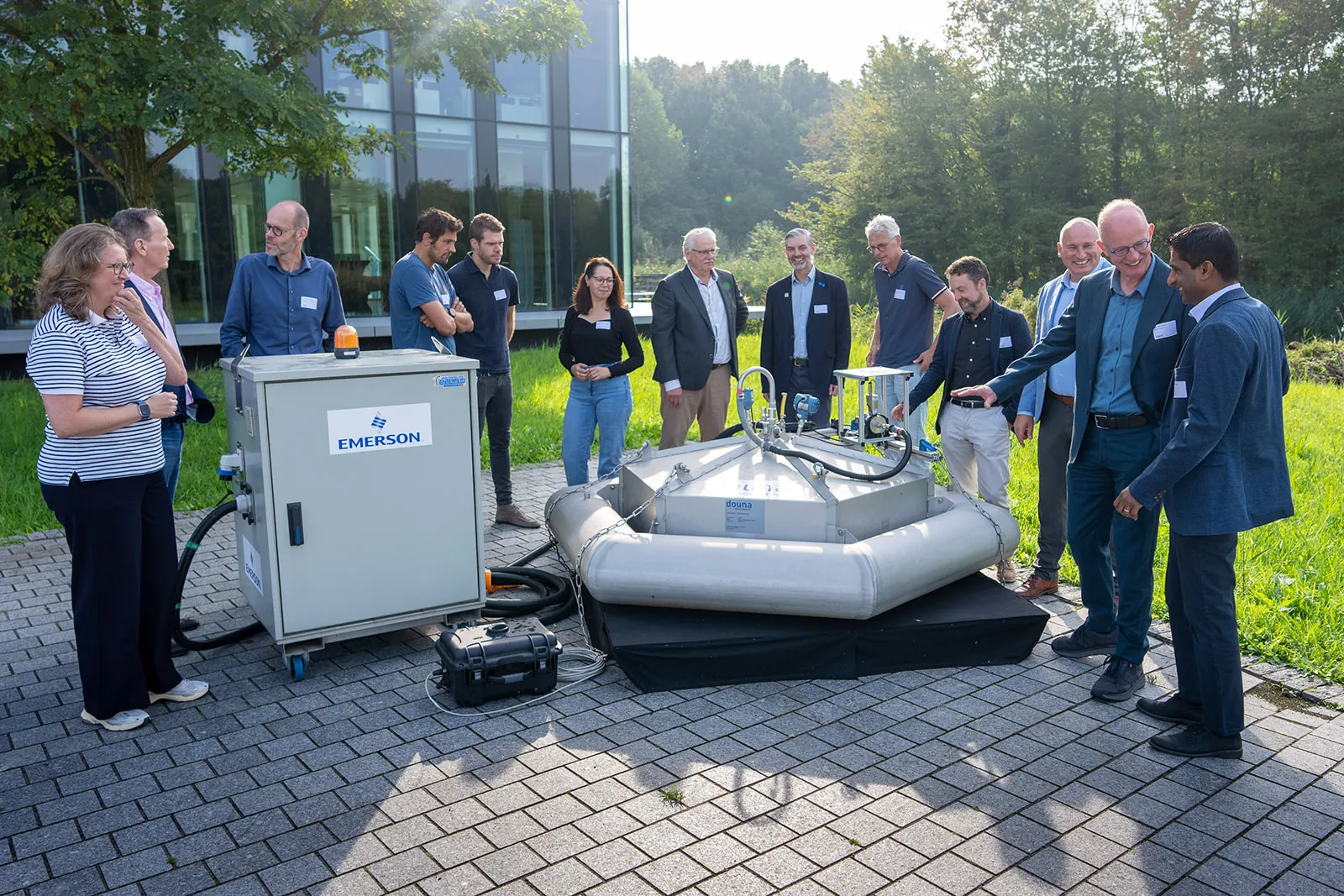
On 29 September 2026, the water sector gathered at KWR in Nieuwegein for the first N₂O day. Douna attended with the floating hood we developed with Emerson to measure nitrous oxide at wastewater treatment plants.
On 29 November 2025, Douna looked back at an Omrop Fryslân broadcast from the previous day about preparing for power, telecommunications and ICT outages.