The technique
What is conventional turning?
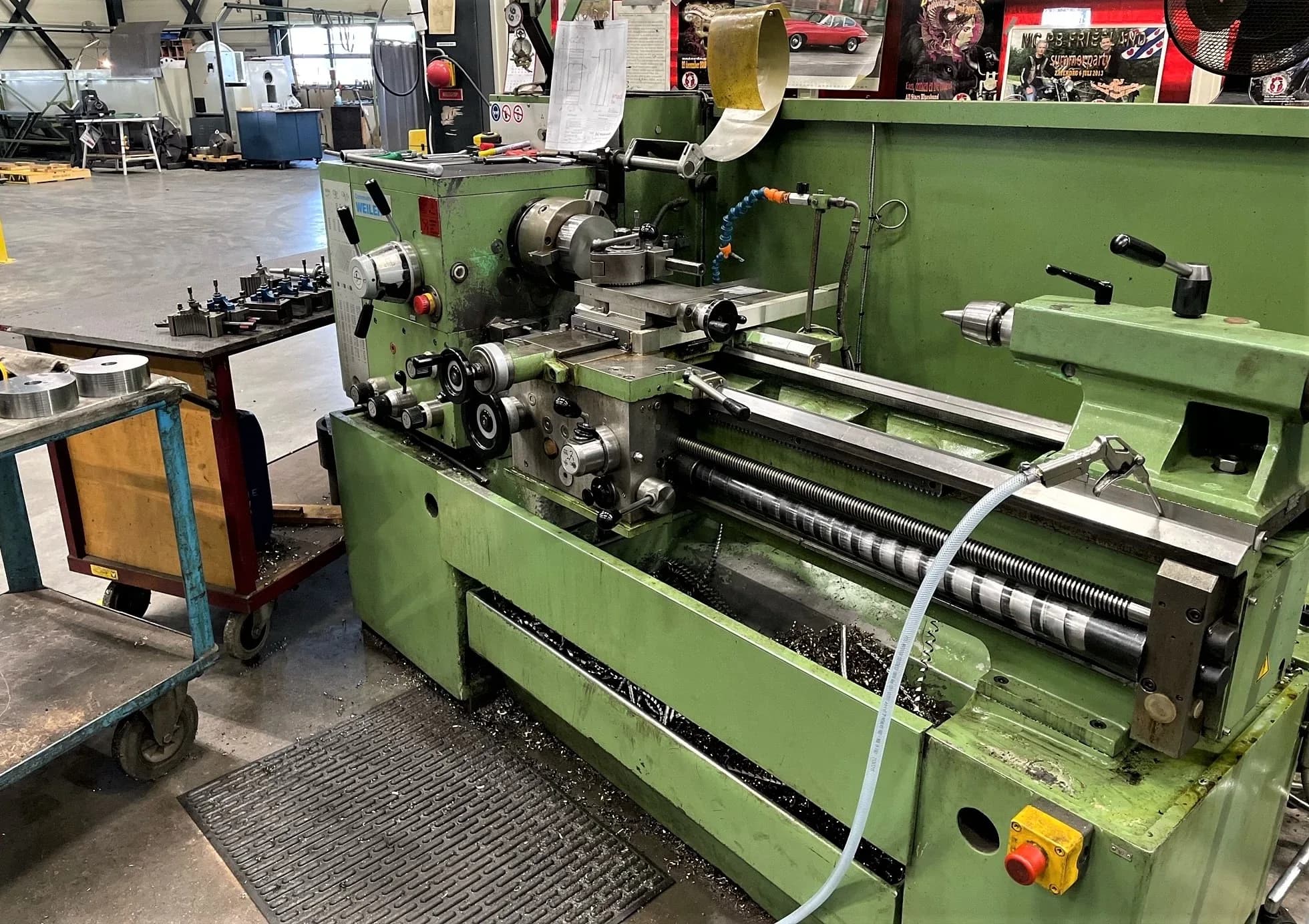
Conventional turning machines a rotating workpiece with a cutting tool. The operator sets the operation on the machine and monitors its execution. For existing parts, the relationship between the original geometry and the required modification matters.
Function, material and geometry form the starting point. Machine selection and workholding follow from your complete enquiry.
Suitability
What determines the machining route?
The component’s functional features are central. These considerations help assess the enquiry.
An existing component as the starting point
Describe the original function and required modification. Wear or damage can affect workholding, machining allowance and final dimensions.
Clamping and support
Shape, length and usable clamping faces determine support. Also identify faces or surfaces that must remain undamaged.
State the application, an up-to-date drawing or model reference, material, quantities and critical dimensions.
Process and approach
Conventional turning of new and existing components
Preparation, machining and inspection are coordinated together.
Identify the dimensions, surfaces and relative positions that matter. Required tolerances, inspection methods and any measurement report are assessed and agreed for each enquiry.
Assess the workpiece
The drawing, starting condition and required final condition are considered together. Also identify any subsequent treatments.
Prepare the operation
Machine selection, datums, support and machining sequence are coordinated with access to the required features.
Agree inspection and delivery
Record which features will be inspected and which documentation accompanies the agreed delivery.
Technical considerations
The appropriate machine for your workpiece
Explore existing technical data for the machines associated with this operation. Assessment of your workpiece determines their use.
Machines for this operation
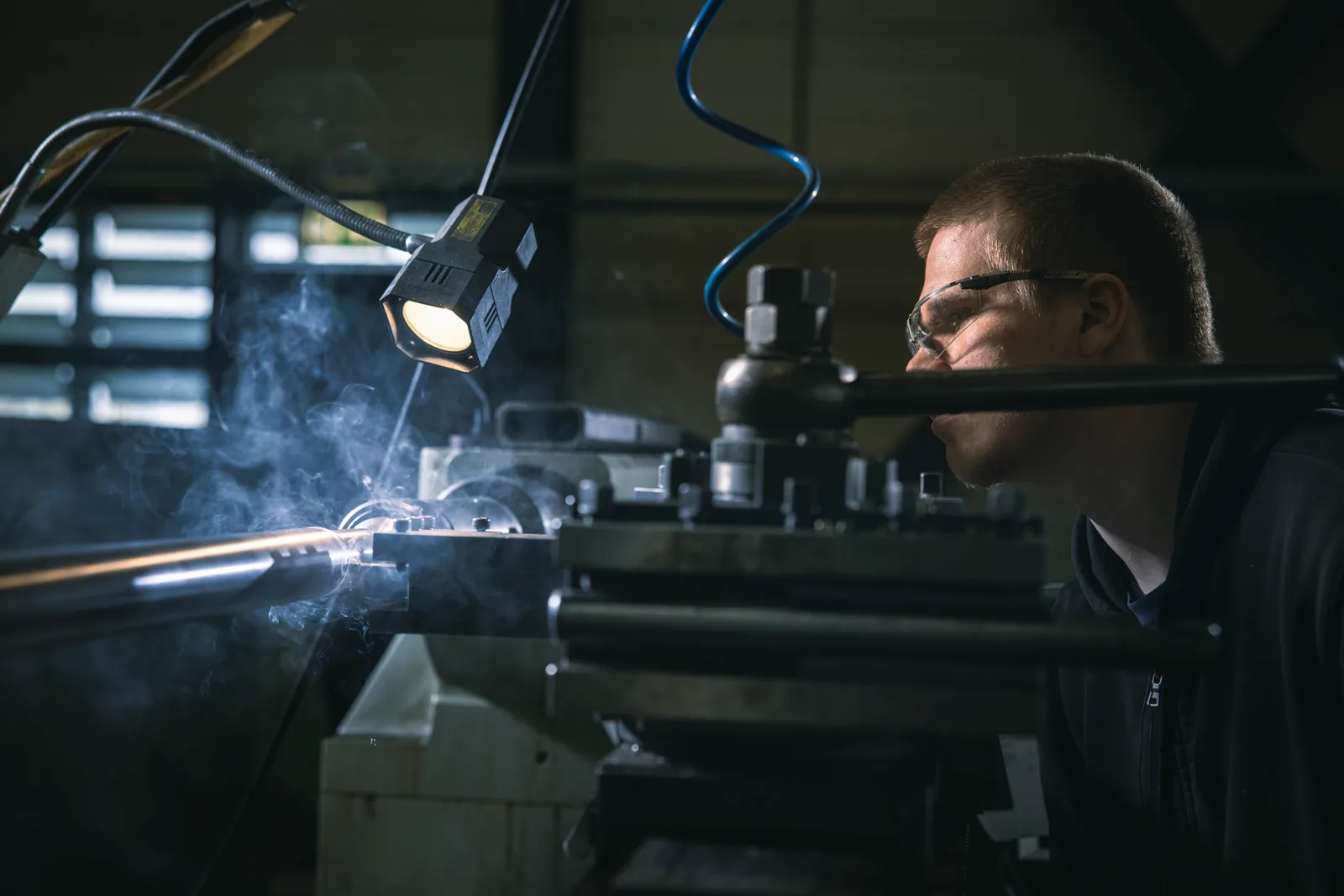
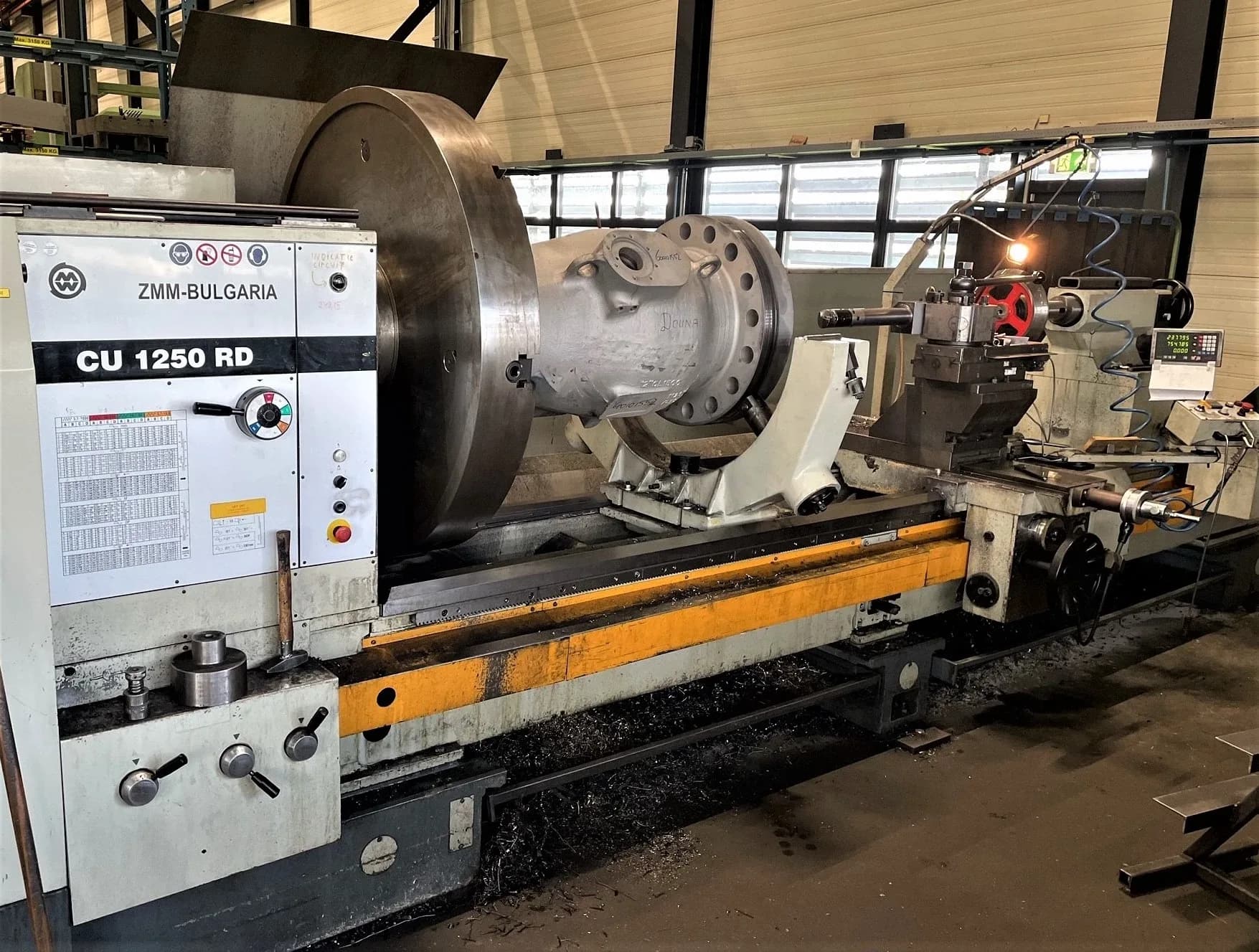
The inventory lists the Weiler Comodor and ZMM CU1250 under conventional turning. Their existing data supports assessment; it does not establish suitability for every workpiece shape.
Your workpiece and requirements
State the application, an up-to-date drawing or model reference, material, quantities and critical dimensions.
Machine fleet
Related machines
Explore existing technical data for the machines associated with this operation. Assessment of your workpiece determines their use.
Frequently asked questions
Practical questions
Can a worn component be re-turned?
The required function, final dimensions and available material must first be established. Condition, material grade and remaining geometry determine which operation can be agreed.
What is needed for a price or schedule enquiry?
Share the application, drawing or model reference, material, quantities and required schedule. Include critical requirements and documentation. Use the contact route to discuss how technical files can be provided.