The technique
What is CNC turning?
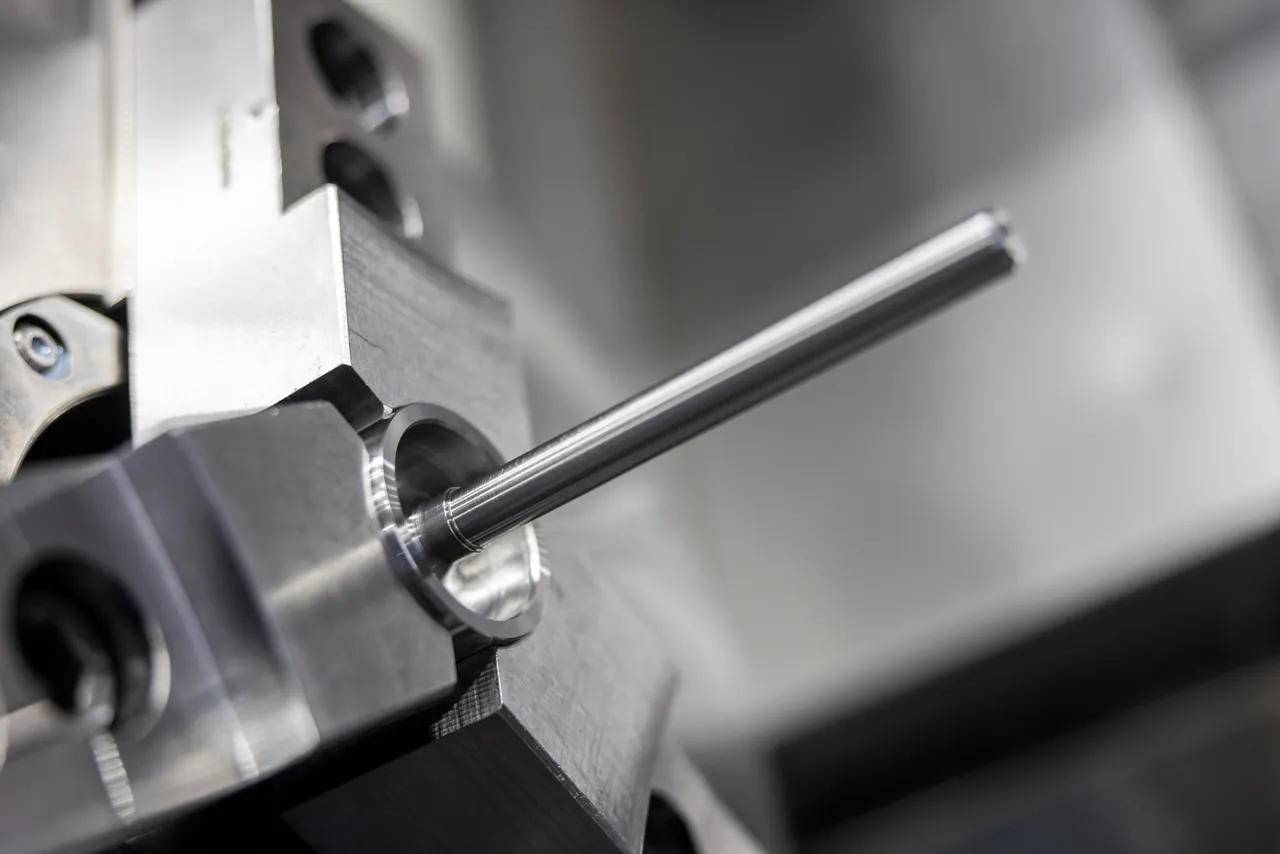
In CNC turning, the workpiece rotates around its axis while a cutting tool removes material. This creates features such as cylindrical surfaces, shoulders and bores. The combination of external diameters, internal features and interfaces determines the machining sequence.
Function, material and geometry form the starting point. Machine selection and workholding follow from your complete enquiry.
Suitability
What determines the machining route?
The component’s functional features are central. These considerations help assess the enquiry.
Runout and fits
Identify the diameters, fits and relative positions that matter to the function. Datums and inspection methods are coordinated accordingly.
Length and support
A long or slender component requires different support from a short workpiece. Provide the complete geometry and the condition of the starting material.
State the application, an up-to-date drawing or model reference, material, quantities and critical dimensions.
Process and approach
From drawing to CNC turning
Preparation, machining and inspection are coordinated together.
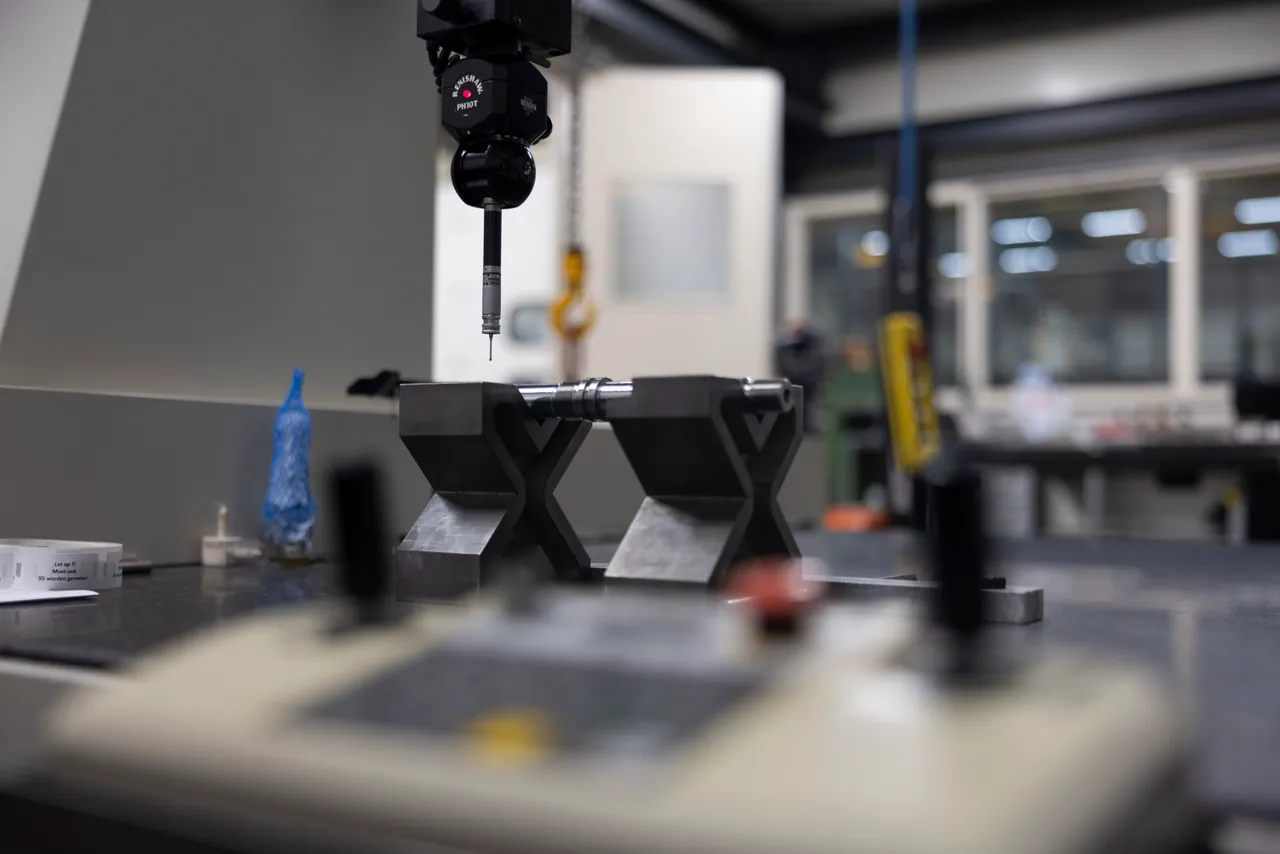
Identify the dimensions, surfaces and relative positions that matter. Required tolerances, inspection methods and any measurement report are assessed and agreed for each enquiry.
Assess the workpiece
The drawing, starting condition and required final condition are considered together. Also identify any subsequent treatments.
Prepare the operation
Machine selection, datums, support and machining sequence are coordinated with access to the required features.
Agree inspection and delivery
Record which features will be inspected and which documentation accompanies the agreed delivery.
Technical considerations
The appropriate machine for your workpiece
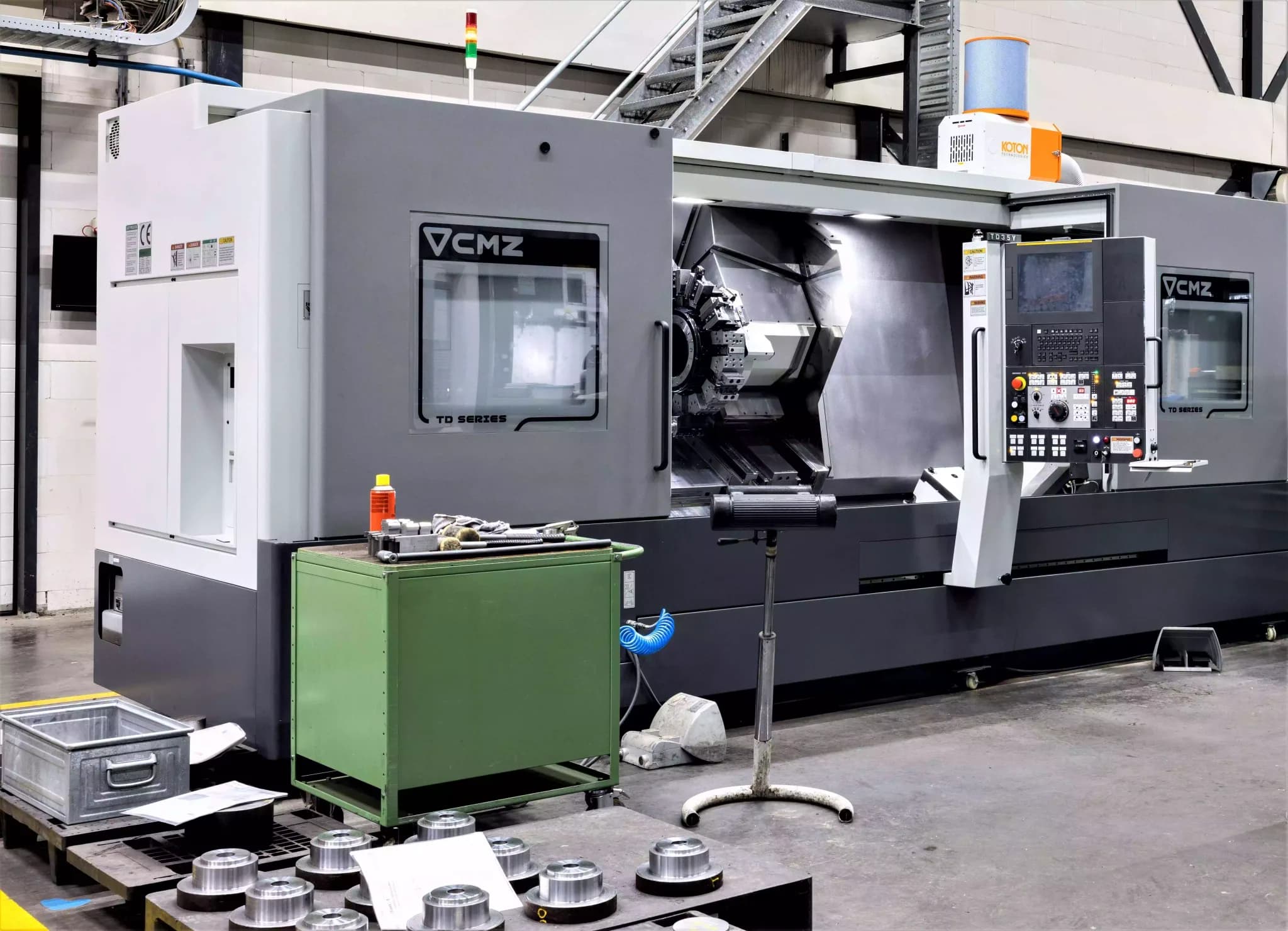
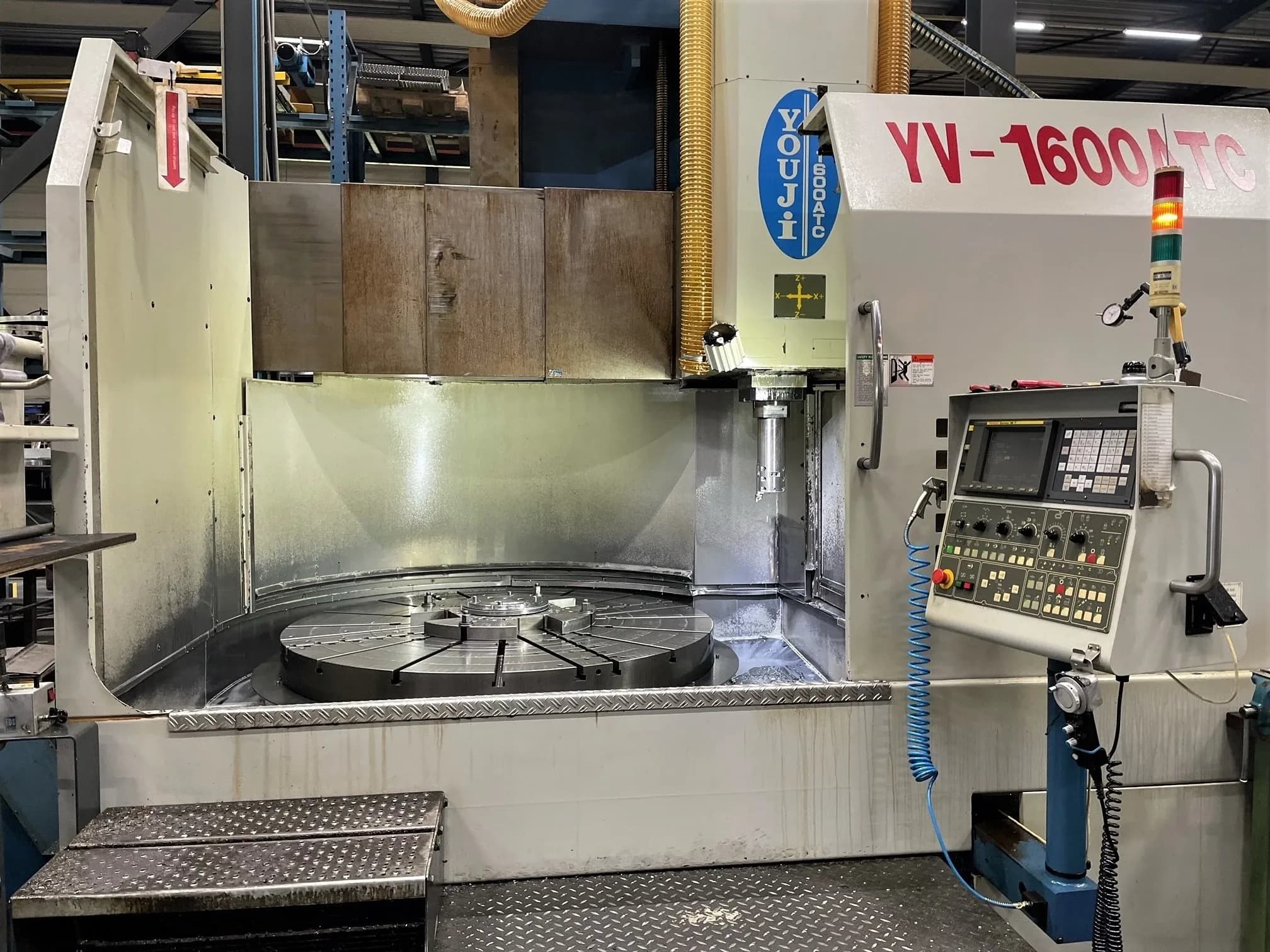
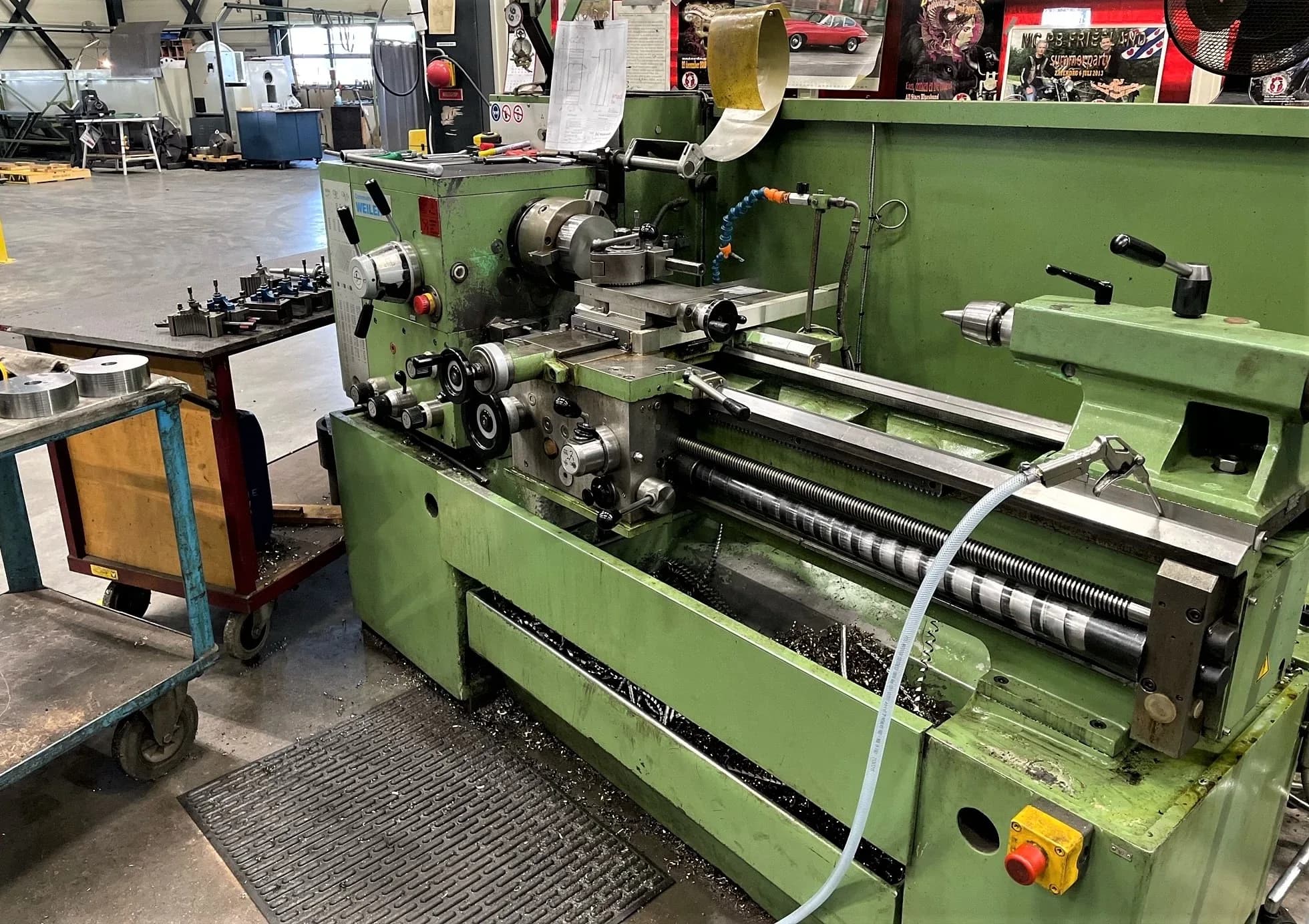
Explore existing technical data for the machines associated with this operation. Assessment of your workpiece determines their use.
Machines for this operation
Also state whether the component requires milling features, threads or subsequent operations. The turning machines differ in configuration; the appropriate route follows from the complete enquiry.
Your workpiece and requirements
State the application, an up-to-date drawing or model reference, material, quantities and critical dimensions.
Supports solutions
Part of a complete solution
The required outcome determines which capabilities are needed. This capability is only used where it demonstrably supports the solution.
Mechanical engineering for components and machine building. Discuss function, design, manufacturability and coordination with production and assembly.
Custom metalworking for components and assemblies. Discuss which combination of machining, welding, assembly and inspection suits your product with Douna.
One complete manufacturing partner for components and machines. Discuss engineering, production, assembly, inspection and clear delivery agreements.
Machine fleet
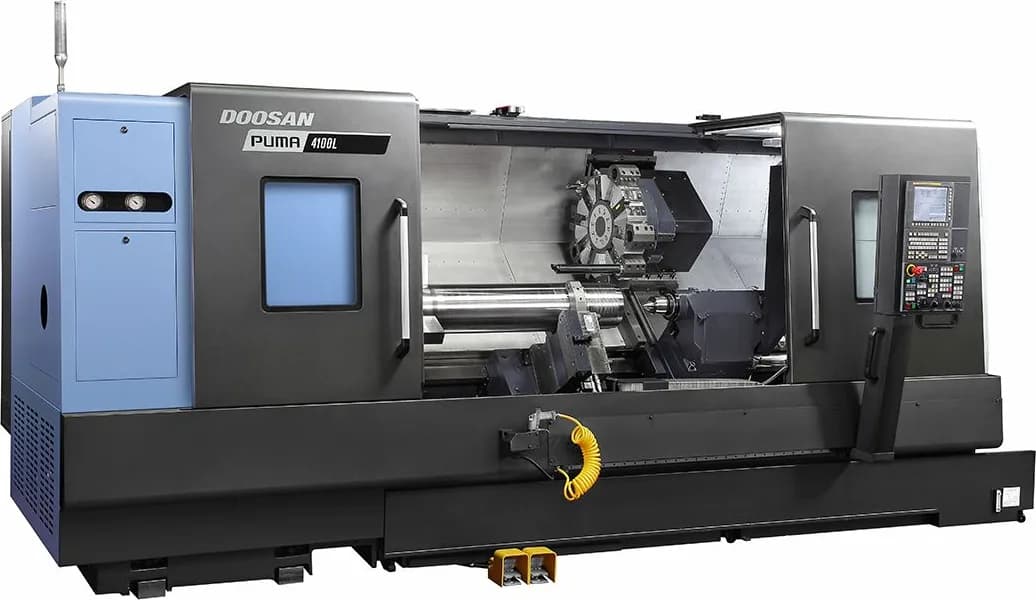
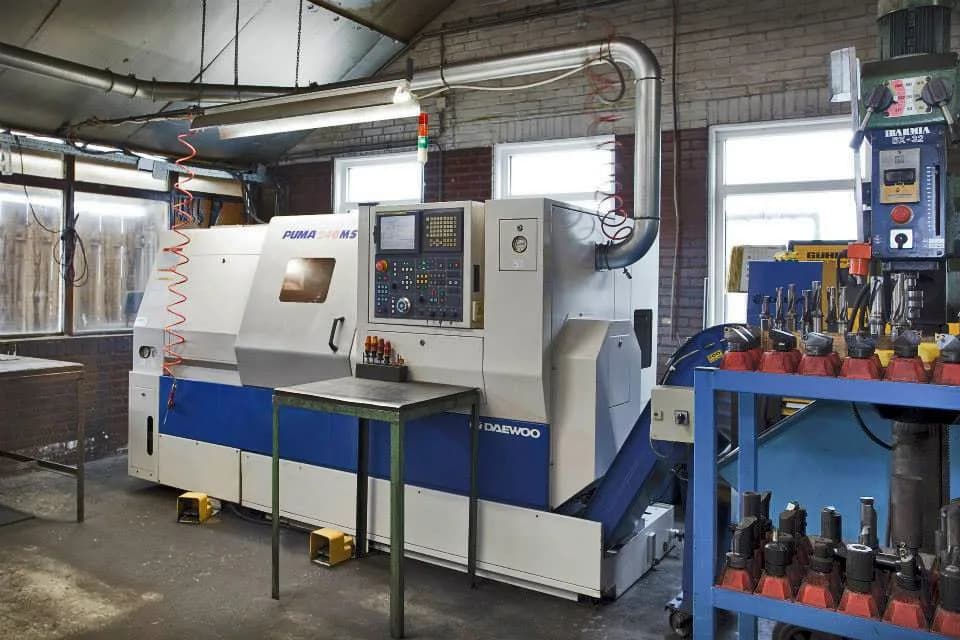
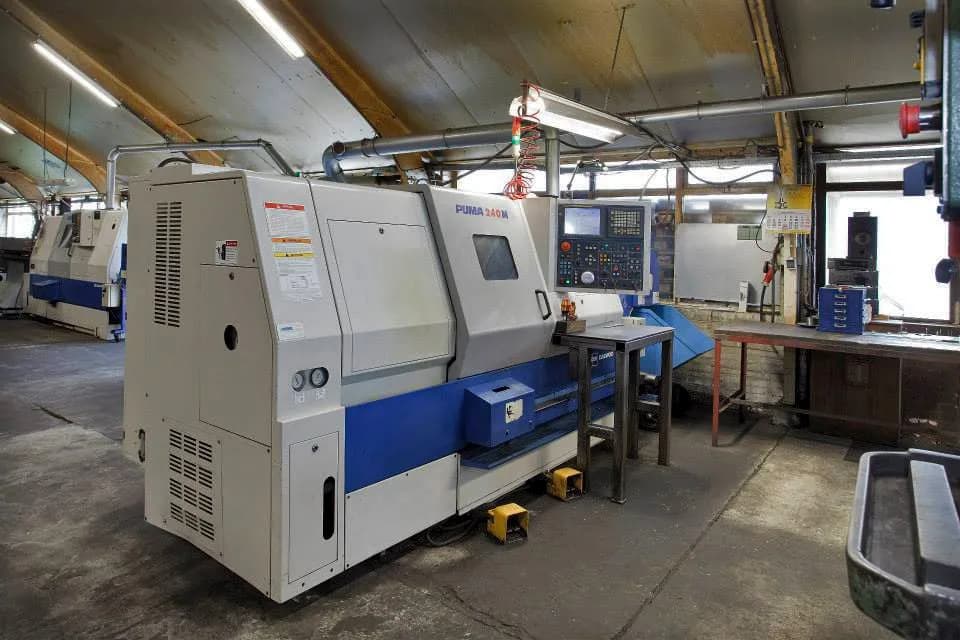
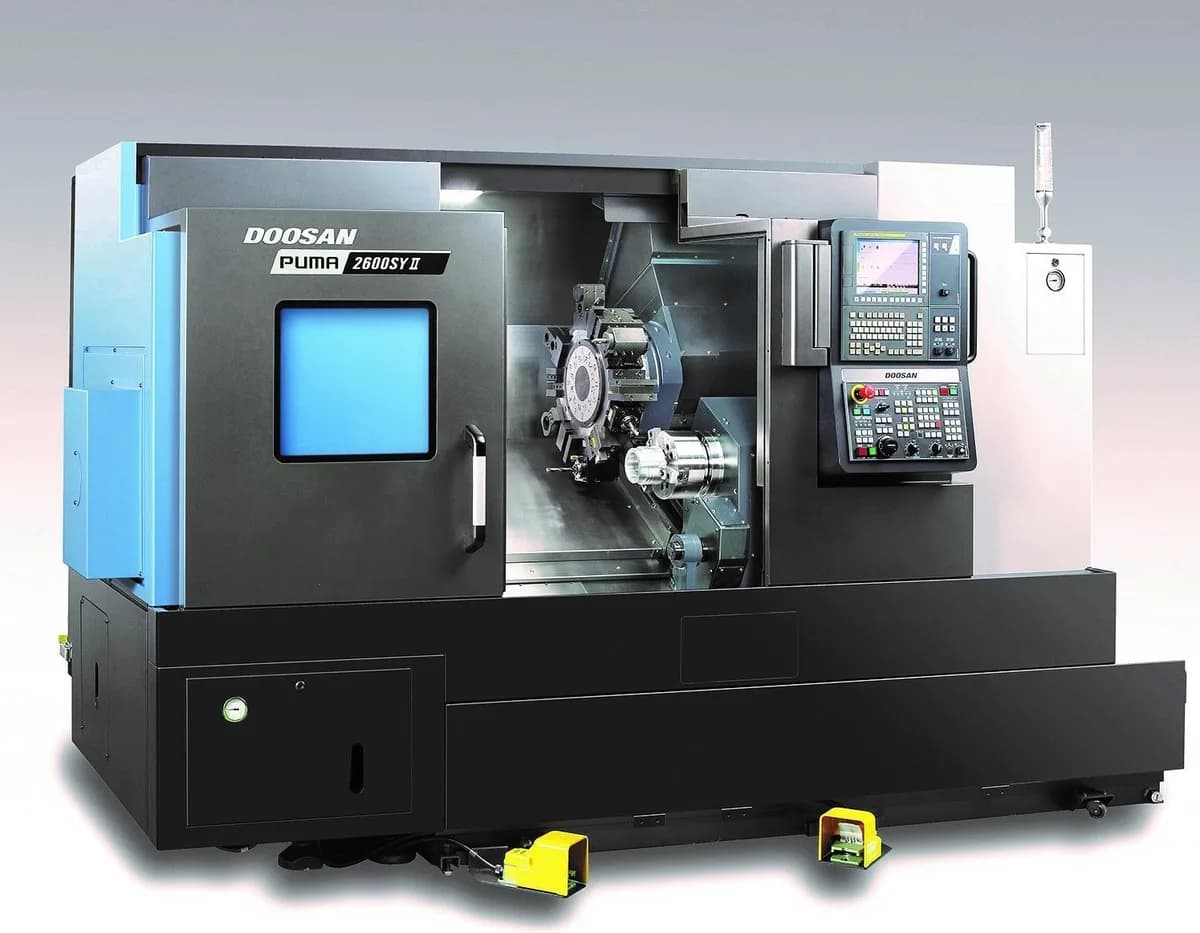
Related machines
Explore existing technical data for the machines associated with this operation. Assessment of your workpiece determines their use.
Related content
Explore this technique further
Frequently asked questions
Practical questions
Can turning be combined with milling?
This depends on geometry, access and machine selection. Show all features on the drawing so that the combination and any additional setups can be assessed.
What is needed for a price or schedule enquiry?
Share the application, drawing or model reference, material, quantities and required schedule. Include critical requirements and documentation. Use the contact route to discuss how technical files can be provided.