The manufacturing process
Precision components from a drawing or reference
Douna brings the required disciplines together around your component. A completed drawing can directly form the starting point for production. Where information is missing, we first determine what technical development is needed. Engineering is a targeted step within the assignment.
A component and clear delivery agreements
The assignment defines what will be made, which features will be inspected and what documentation accompanies delivery. Production and inspection therefore match the component's function.
Capabilities and specifications
Does your product fit our capabilities?
Dimensions, material and critical features together determine the manufacturing route. Discuss the requirements for your component, assembly or machine.
- Dimensions and weight
- Assessed per workpiece
Geometry, workholding and access determine what is possible. Explore the available machines and discuss your workpiece.
- Accuracy and tolerances
- To agreed requirements
Specify critical dimensions and datums. Feasibility and inspection are assessed for your application.
In practice
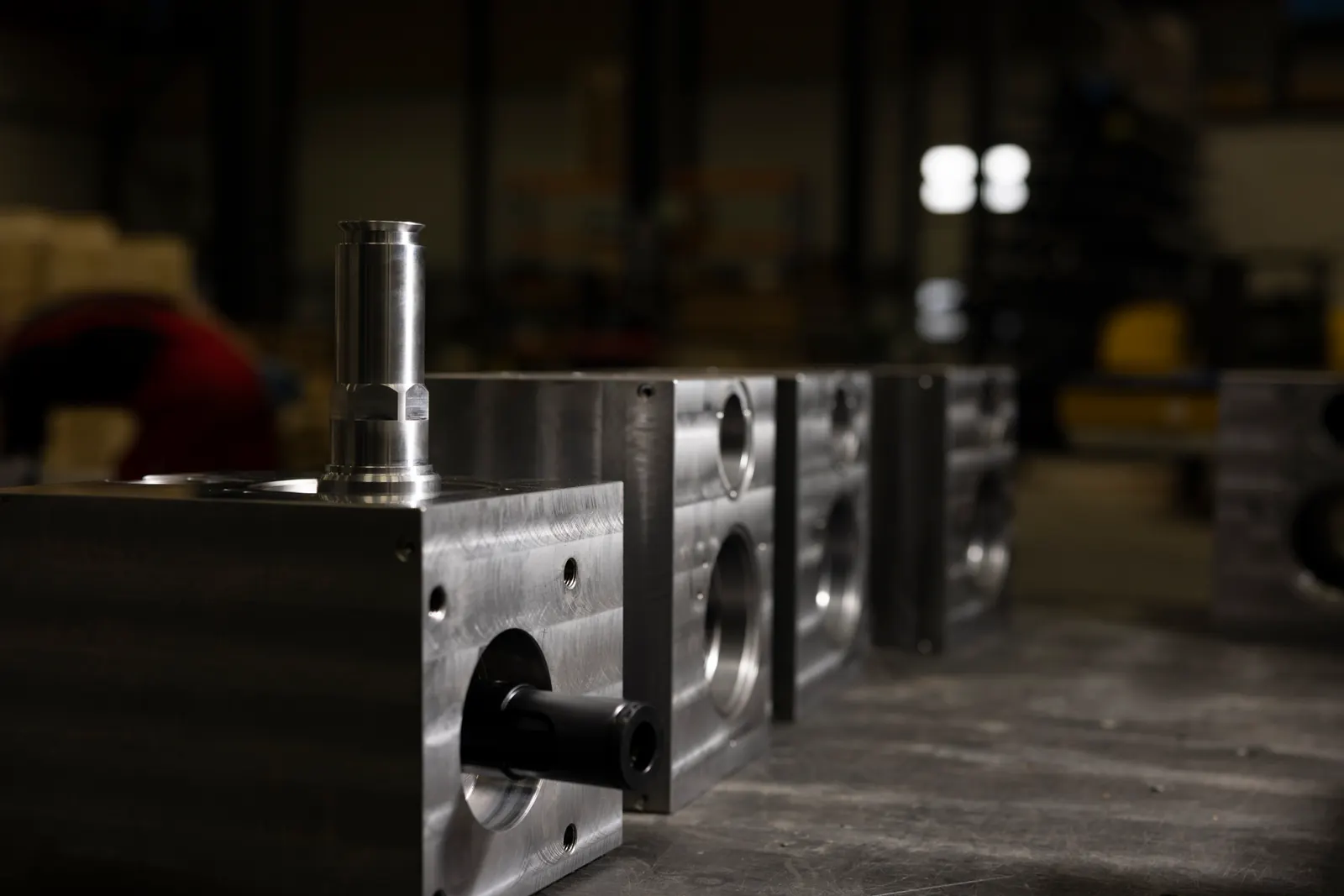
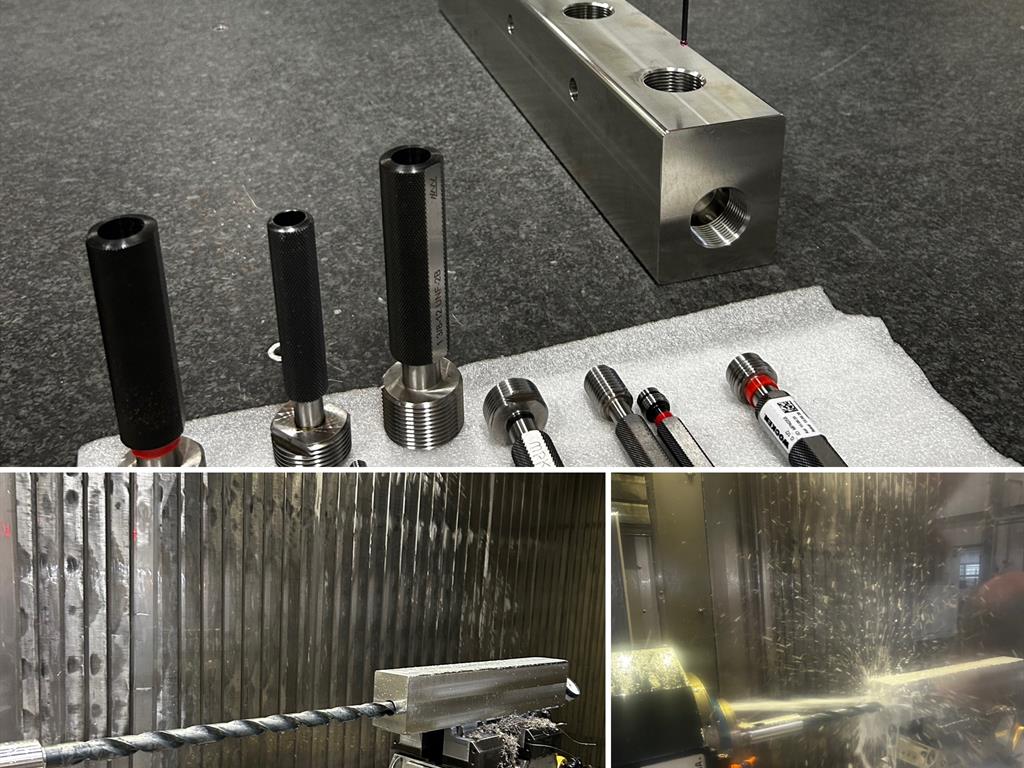
Stainless steel 316 manifold
- The requirement
- The manifold required deep holes, critical threads and interfaces in a material that places high demands on cutting parameters, cooling and process stability.
- The work
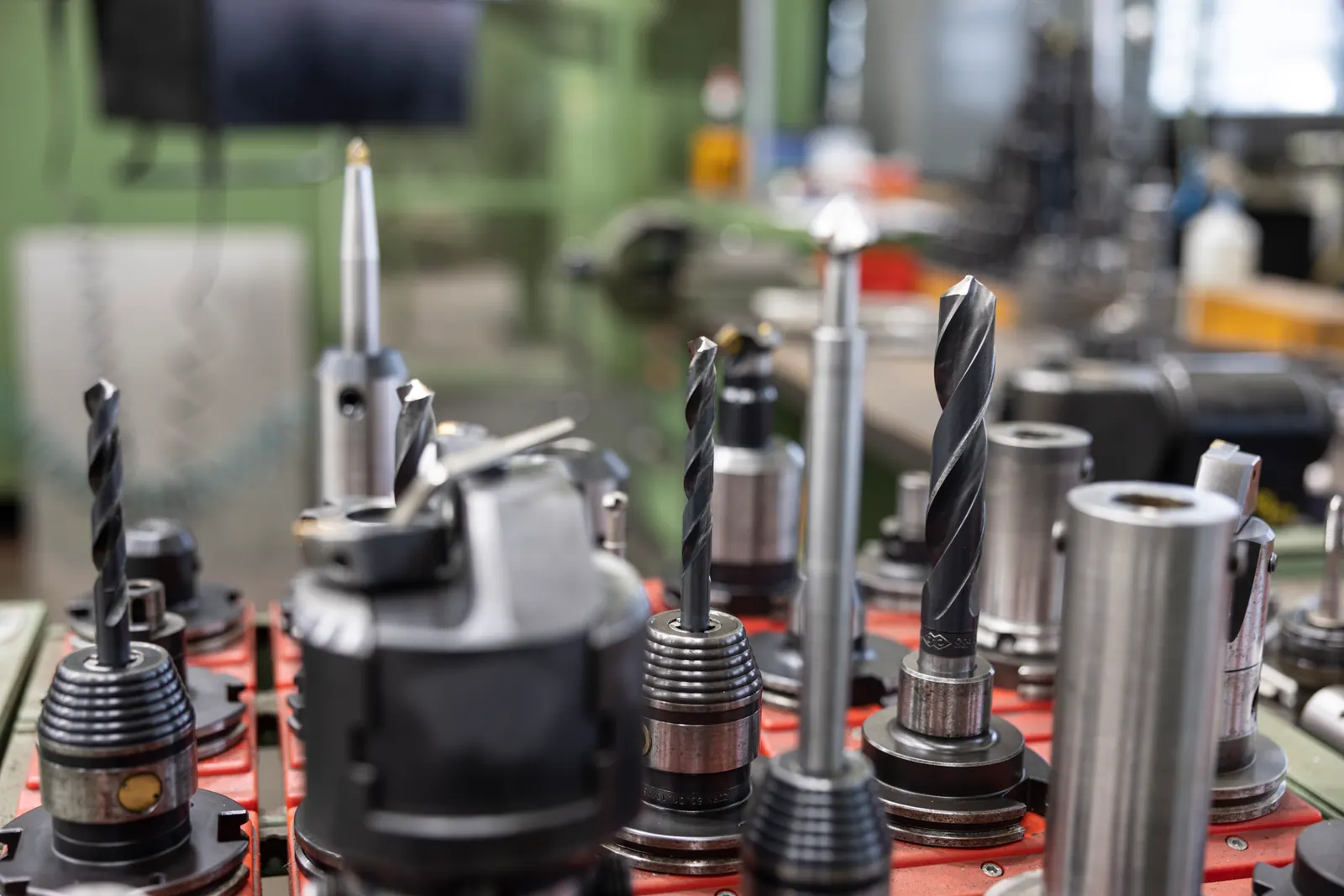
- Douna determined the machining sequence, workholding and drilling strategy, combining complex machining with controlled deep-hole drilling and the finishing of threads and interfaces.
- The result
- A completely machined manifold, ready for the client's application.
Technical expertise
The techniques behind your component
The solution starts with the component. These techniques can contribute to manufacturing; the required combination follows from your requirement.
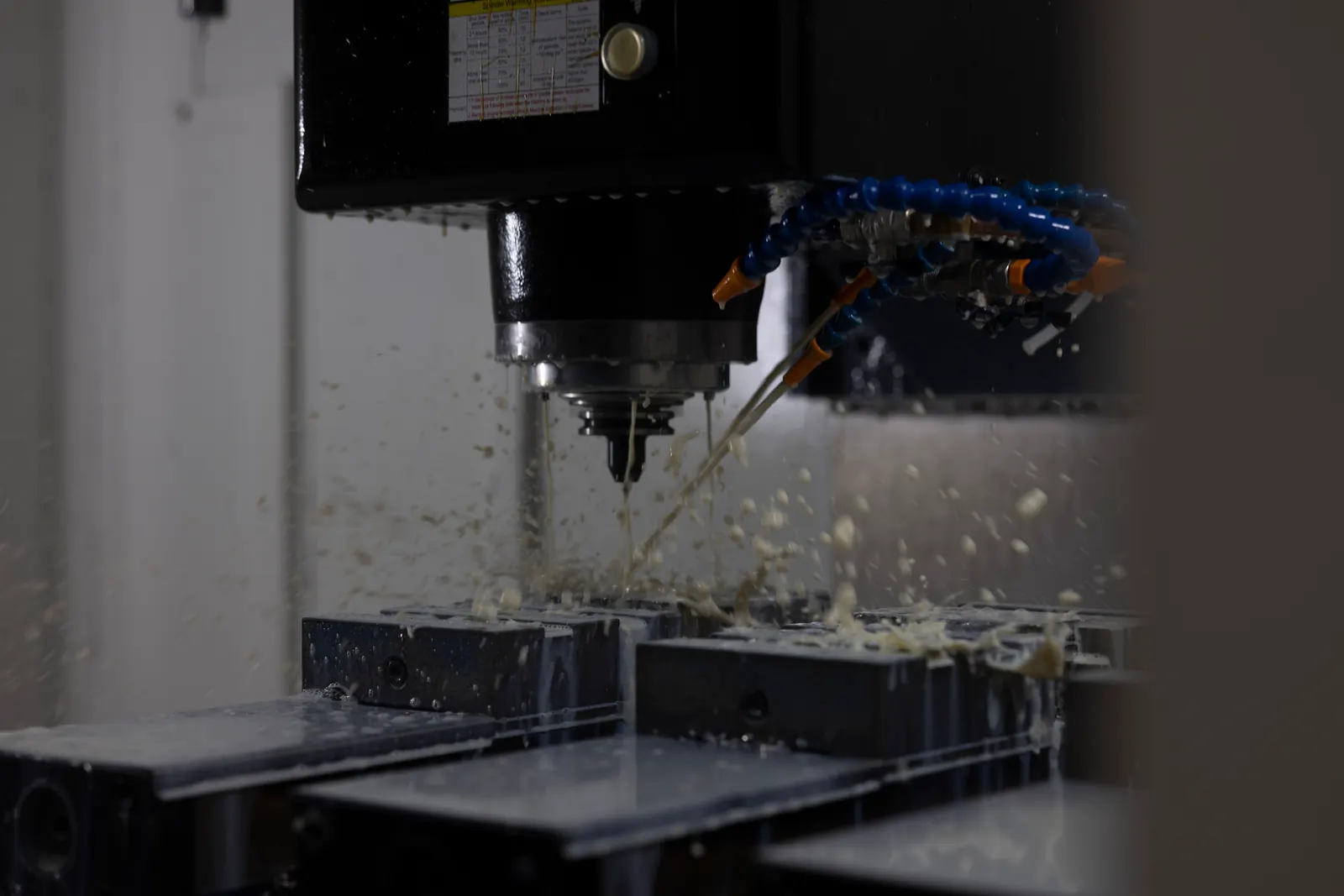
CNC machining: custom milling and turning
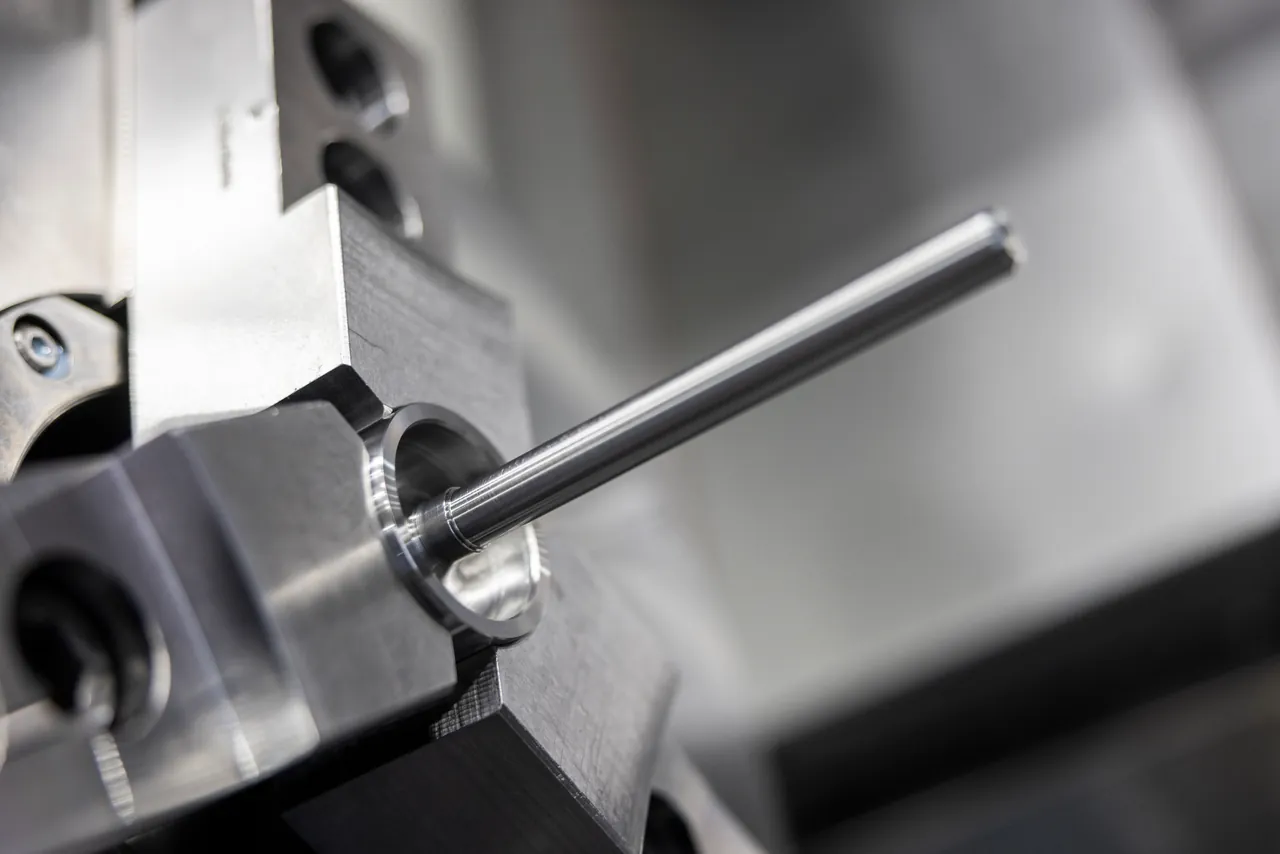
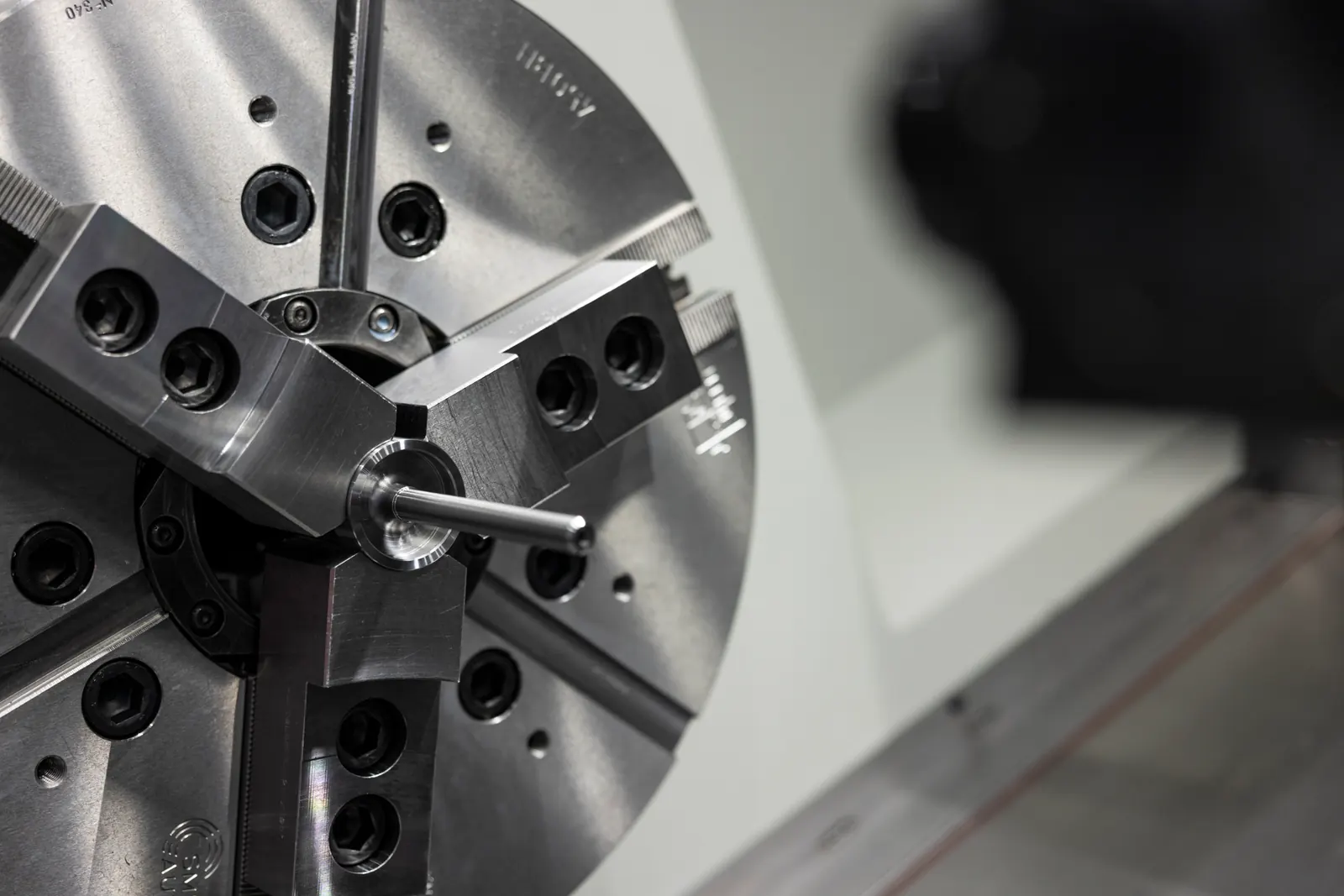
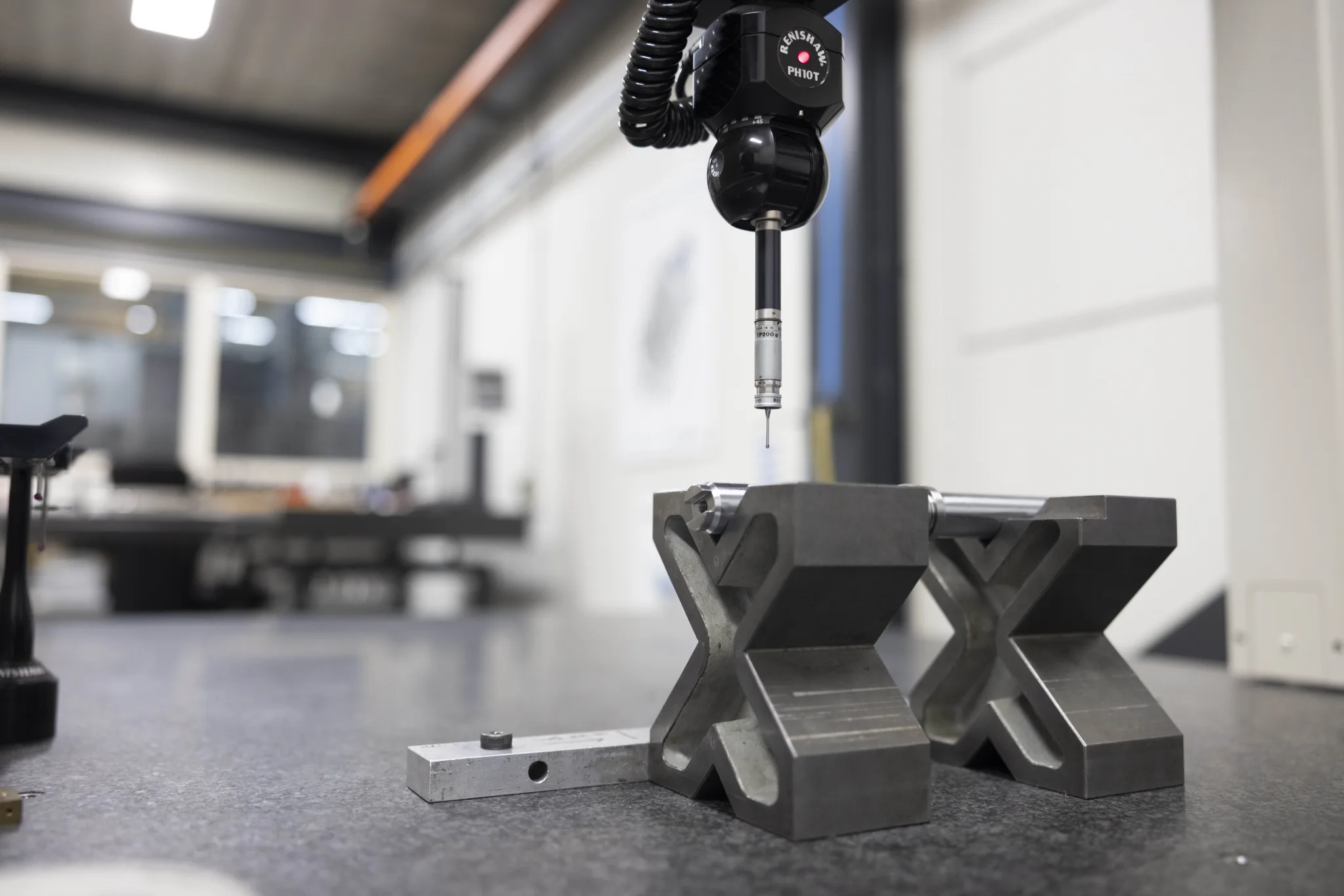
CNC machining uses processes such as milling and turning to shape metal to the required geometry. Douna assesses geometry, material, workholding and dimensional inspection based on your component’s function.
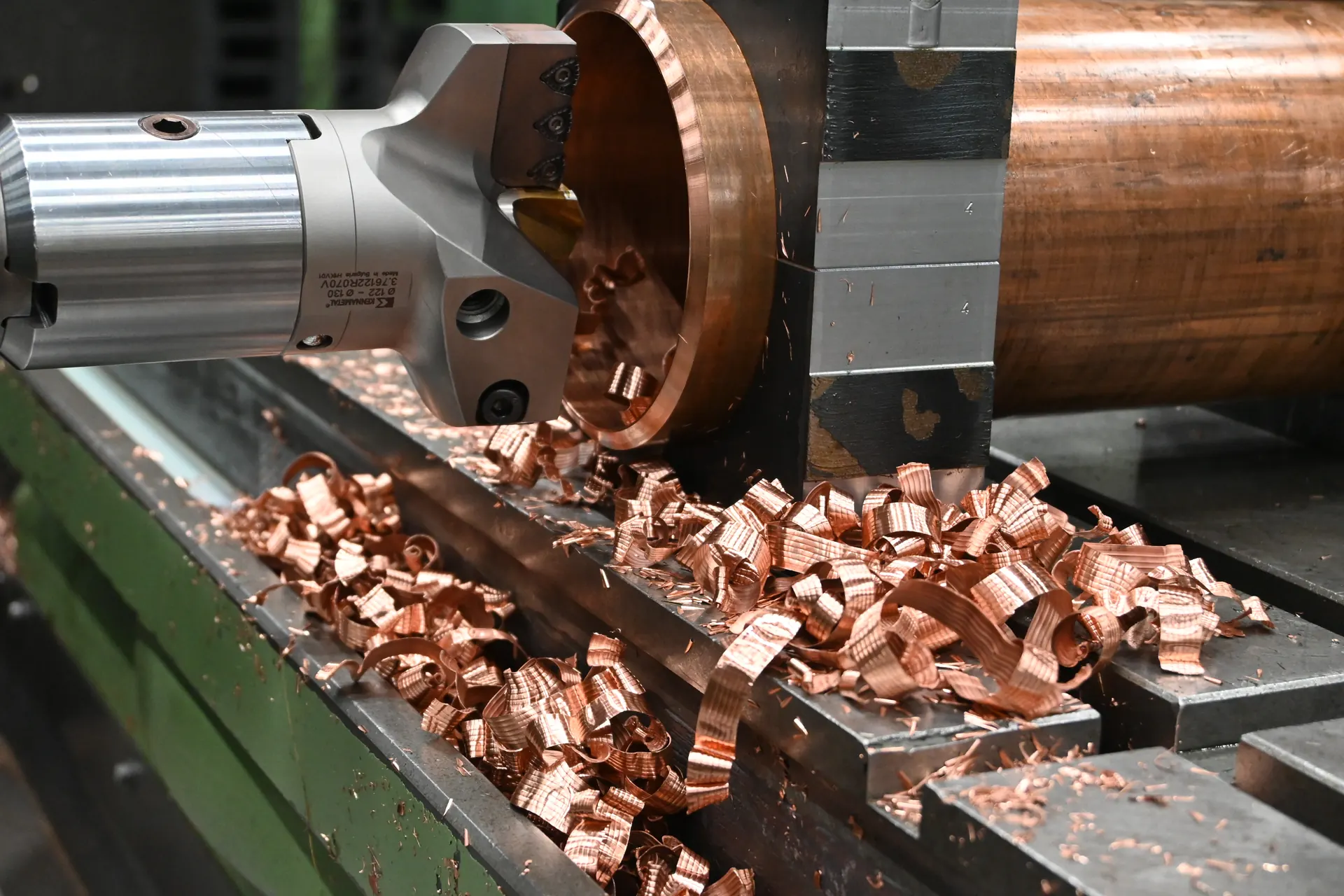
Large-part milling and turning
Outsource milling or turning of large workpieces? For large-part machining, Douna coordinates workholding, support, machine selection and inspection around the complete workpiece and its features.
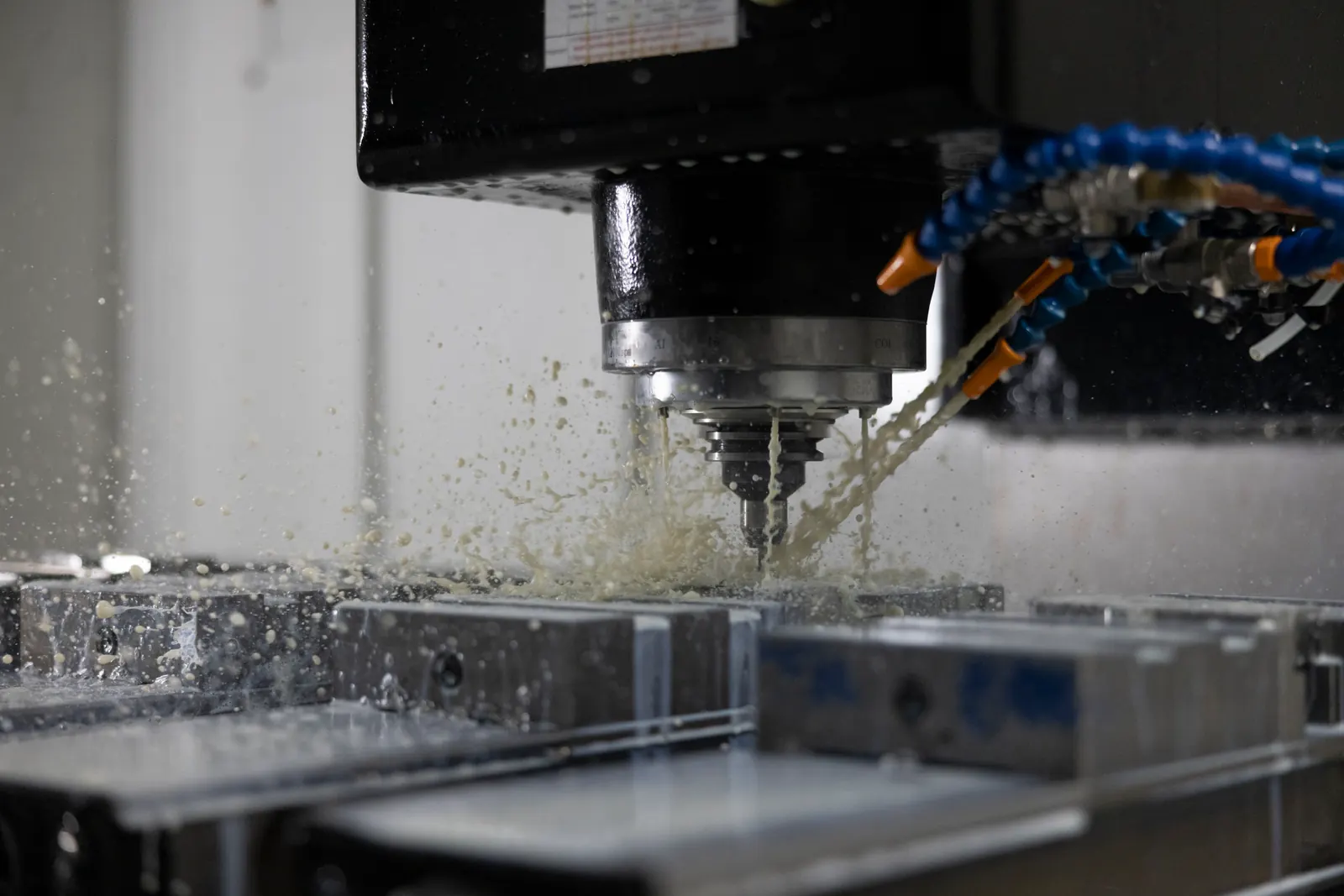
CNC milling of metal components
Looking to outsource CNC milling? Douna assesses geometry, material, workholding and dimensional inspection in relation to the function of your metal component.
Frequently asked questions
Practical questions about custom components
Can I have a component made without a complete drawing?
An idea, functional description or existing component can start the discussion. Production requires a clear design and requirements. We discuss what information is still needed and whether technical development should form part of the assignment.
Can an existing component be reproduced?
An existing component can serve as a reference. Its visible shape does not automatically provide all information about material, fits or operating requirements. These must be established. The required design and reproduction rights must also be available.
What level of accuracy is possible?
This depends on factors including material, geometry, workholding and inspection method. Indicate which dimensions and tolerances are functionally important. Their feasibility is assessed for the specific component.
What information helps at the first contact?
An available drawing or 3D model, the application, material and required quantity provide a useful starting point. Also mention critical dimensions, available reference components and your preferred schedule. We discuss missing information together.
Discuss your technical requirement with our specialists
Do you have a drawing, an existing component or a technical question? Tell us what the component needs to do and what information you already have. We can then discuss a suitable next step.
+31 58 28 49 660info@douna.nl