
The technique
What is boring?
Boring uses a cutting tool to finish an existing hole. Its diameter, form and position are matched to the required function. On large workpieces, relationships with other bores and mating faces also determine the setup.
Function, material and geometry form the starting point. Machine selection and workholding follow from your complete enquiry.
Suitability
What determines the machining route?
The component’s functional features are central. These considerations help assess the enquiry.
Bore positions
Specify relative positions and datum faces. An individual diameter does not explain how different bores must work together.
Access and workholding
Bore location and workpiece shape determine tool access and support. The complete workpiece geometry is therefore needed for assessment.
State the application, an up-to-date drawing or model reference, material, quantities and critical dimensions.
Process and approach
Boring based on bores, surfaces and datums
Preparation, machining and inspection are coordinated together.
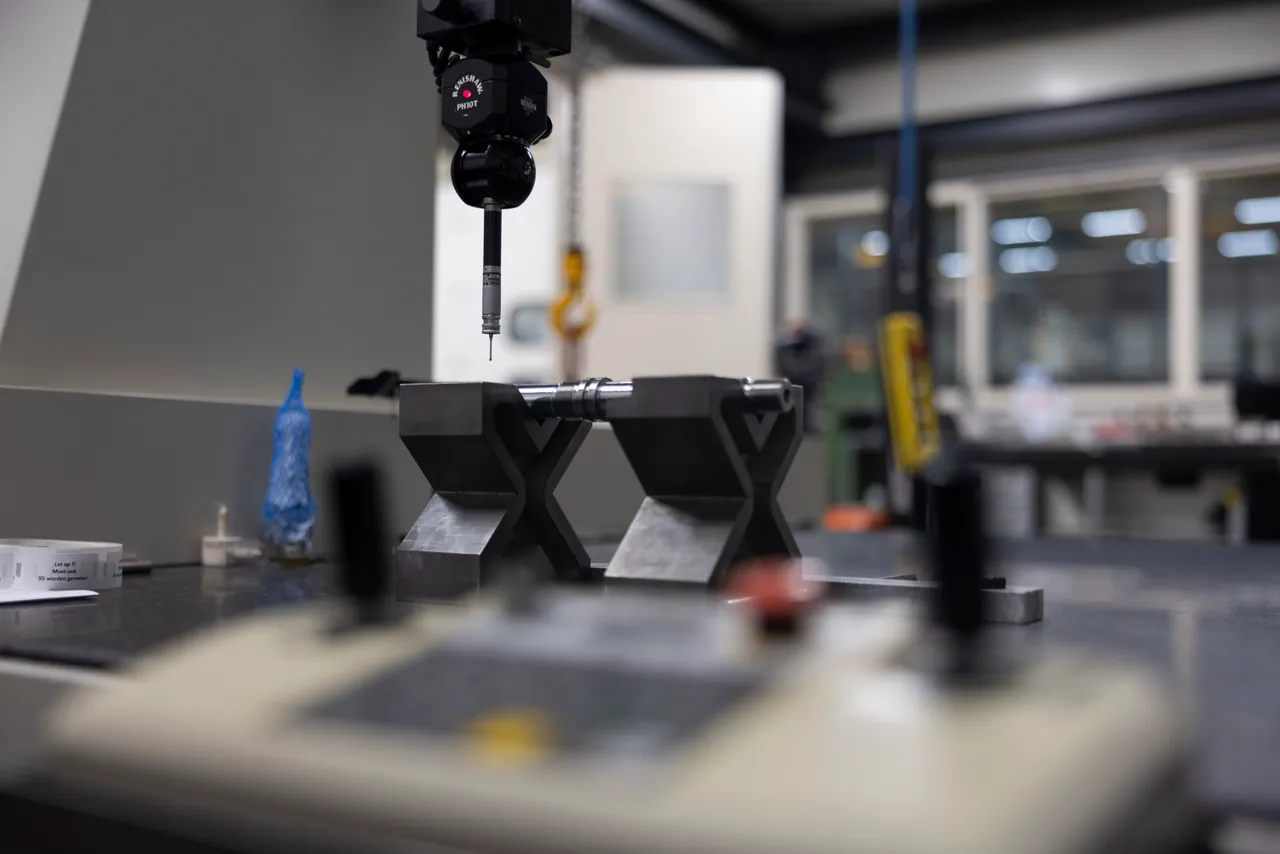
Identify the dimensions, surfaces and relative positions that matter. Required tolerances, inspection methods and any measurement report are assessed and agreed for each enquiry.
Assess the workpiece
The drawing, starting condition and required final condition are considered together. Also identify any subsequent treatments.
Prepare the operation
Machine selection, datums, support and machining sequence are coordinated with access to the required features.
Agree inspection and delivery
Record which features will be inspected and which documentation accompanies the agreed delivery.
Technical considerations
The appropriate machine for your workpiece
Explore existing technical data for the machines associated with this operation. Assessment of your workpiece determines their use.
Machines for this operation
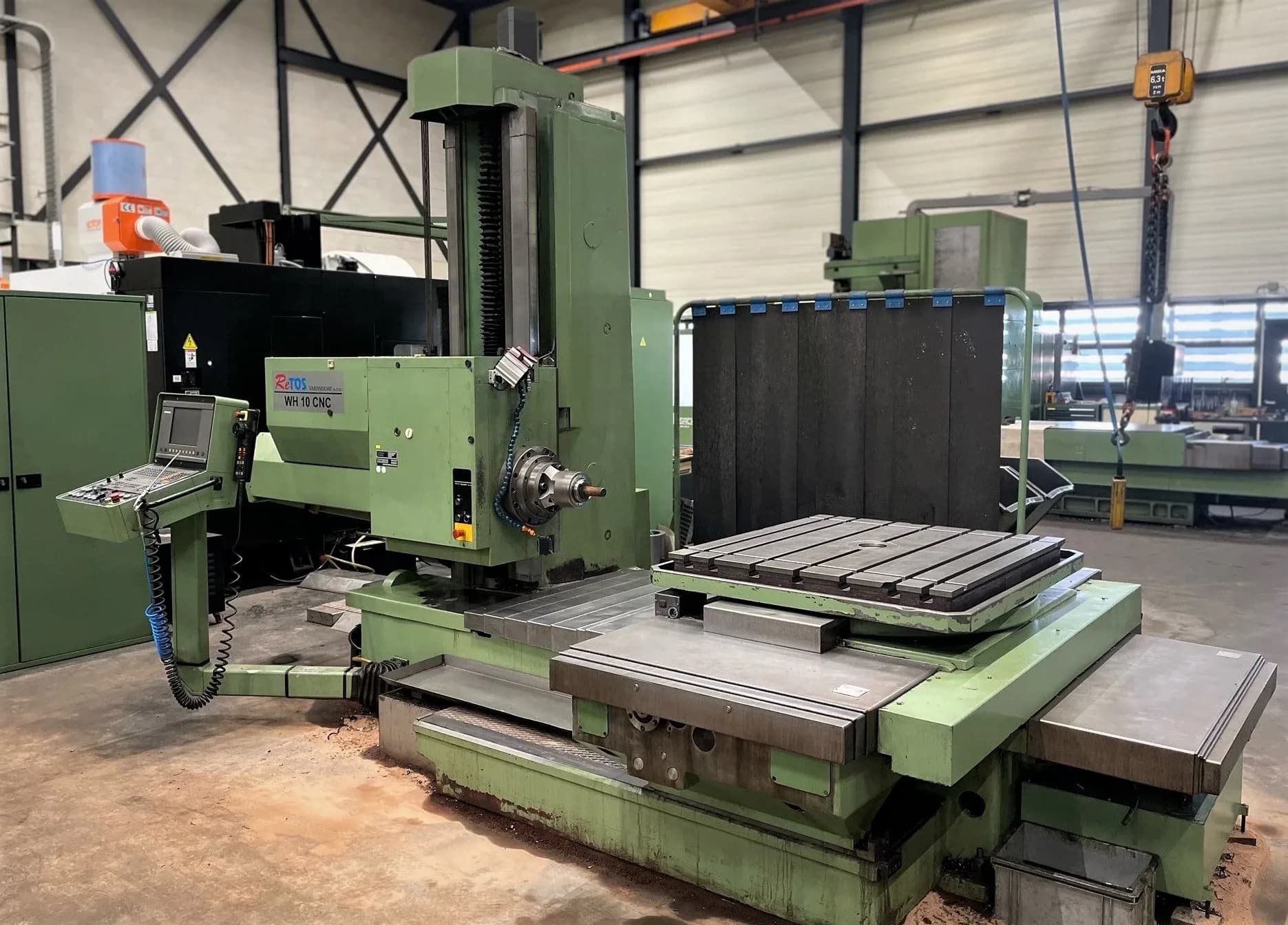
The machine inventory lists the TOS WH 10 CNC under CNC boring. Consult its existing specifications for technical data. Suitability for a particular setup is assessed separately.
Your workpiece and requirements
State the application, an up-to-date drawing or model reference, material, quantities and critical dimensions.
Supports solutions
Part of a complete solution
The required outcome determines which capabilities are needed. This capability is only used where it demonstrably supports the solution.
Machine fleet
Related machines
Explore existing technical data for the machines associated with this operation. Assessment of your workpiece determines their use.
Frequently asked questions
Practical questions
How does boring differ from drilling?
Drilling creates a hole; boring further machines an existing hole. The initial diameter, final size, position and available machining allowance also matter to the enquiry.
What is needed for a price or schedule enquiry?
Share the application, drawing or model reference, material, quantities and required schedule. Include critical requirements and documentation. Use the contact route to discuss how technical files can be provided.