Material and process
The challenges of machining aluminium
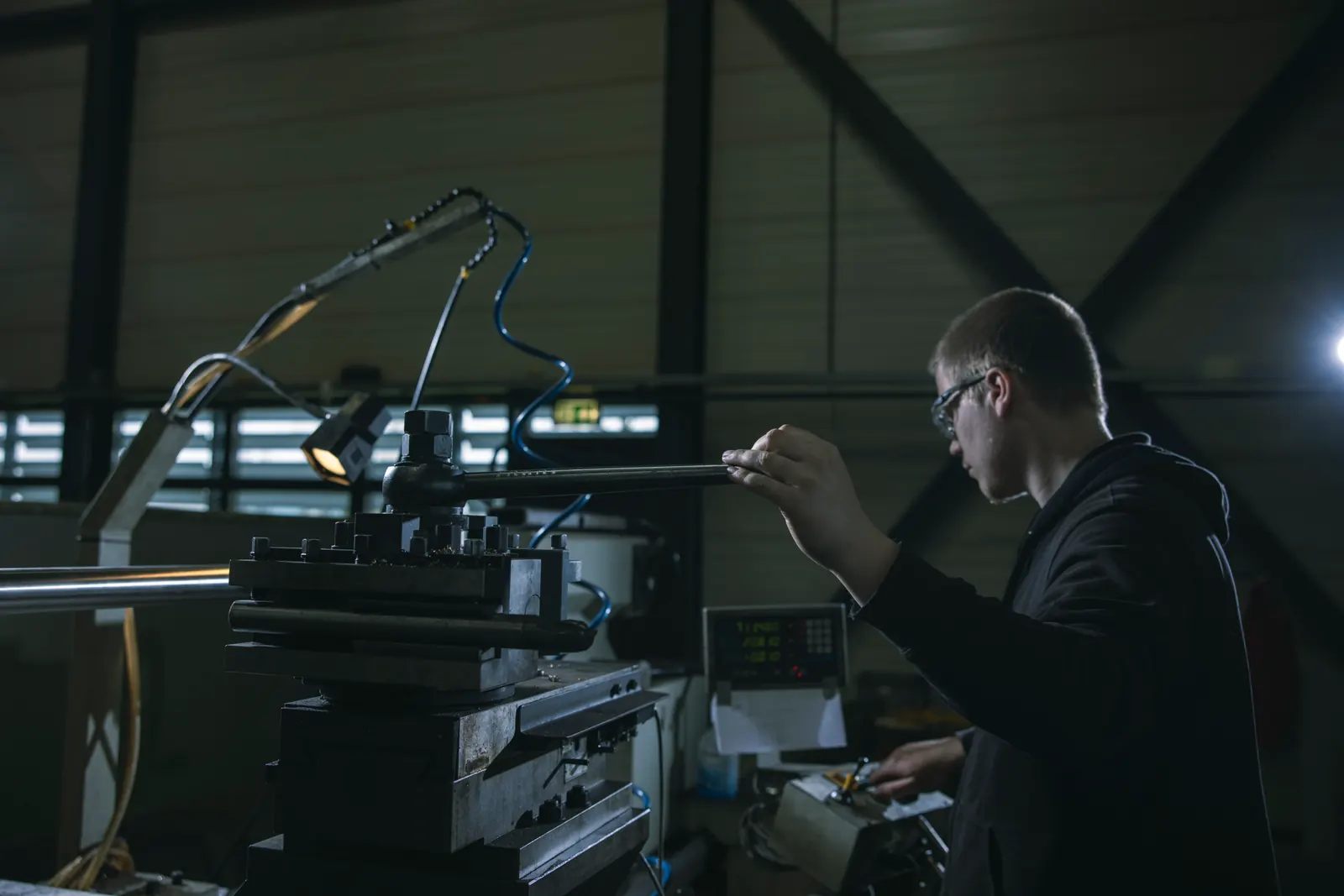
Milling and turning aluminium requires attention to heat, chip removal and workholding. Clamping forces can affect thin walls. A suitable cutting strategy helps preserve a clean surface.
The alloy and delivery condition also determine weldability. Specify the material grade, critical visible surfaces and any surface treatment so we can coordinate machining and finishing for your component.
Technical starting points
Material suitability and execution criteria
Exact grade, operations and documentation are agreed for your component. The material examples below do not represent a stock list.
- Grades and condition
- Specify the EN AW designation and temper. EN AW-6082 is one example used for machined components; the appropriate choice depends on function, product form and any welded joints.
- Operations
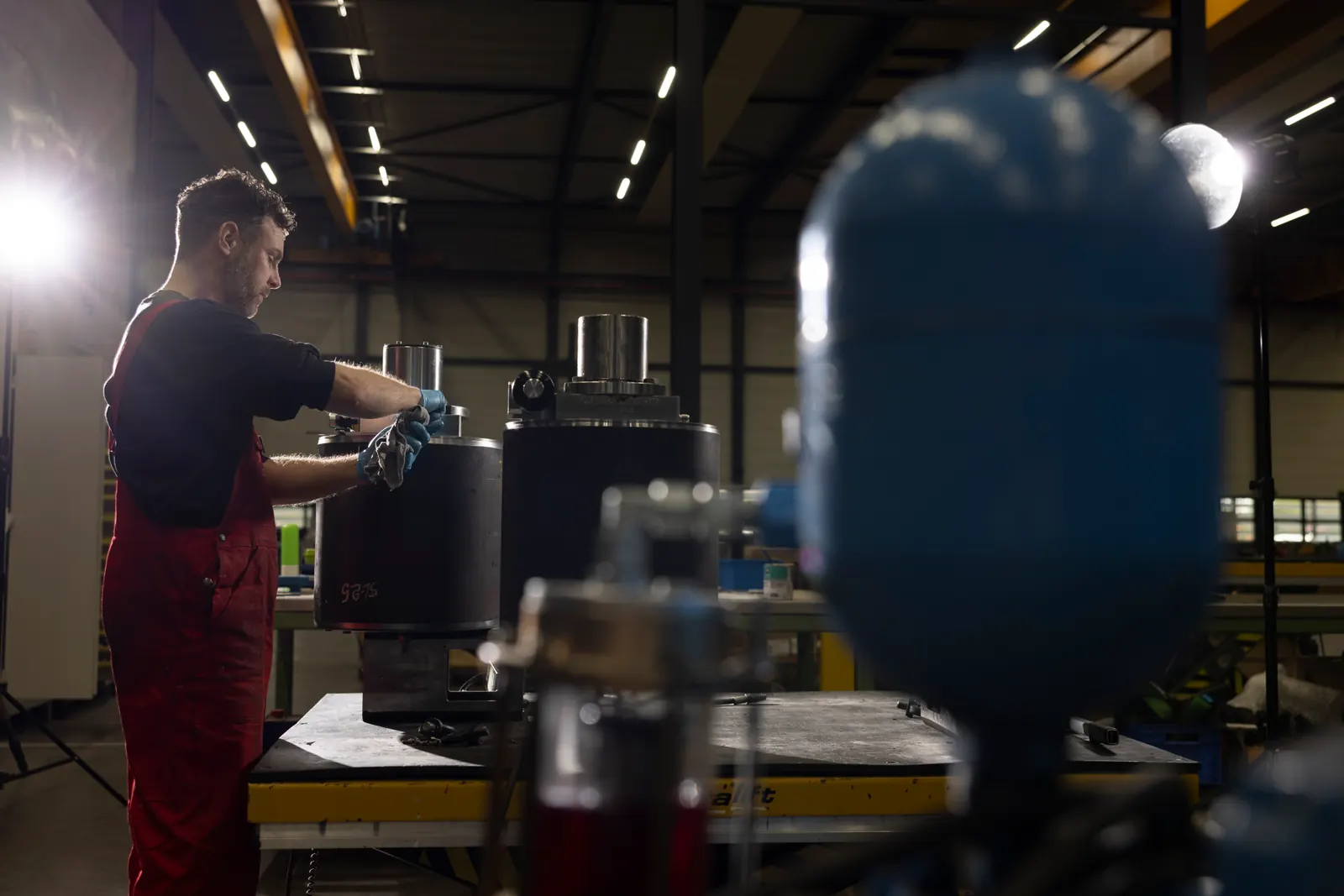
- CNC milling, turning and any welding are coordinated with the geometry. Finishing, deburring and protection of visible surfaces form part of the agreed scope.
- Material certificates
- State whether EN 10204 3.1 or 3.2 is required. Availability, inspection stages and the link between the heat or batch number and the component are agreed before procurement and production.
- Application and environment
- For lightweight machine components, housings and tooling, mass, stiffness, fit and finish interact. The application sets the requirements; it does not establish universal material suitability.
Machines, welding and inspection
Explore the resources for your production route. The suitable machine, welding procedure and inspection approach are established for each workpiece.
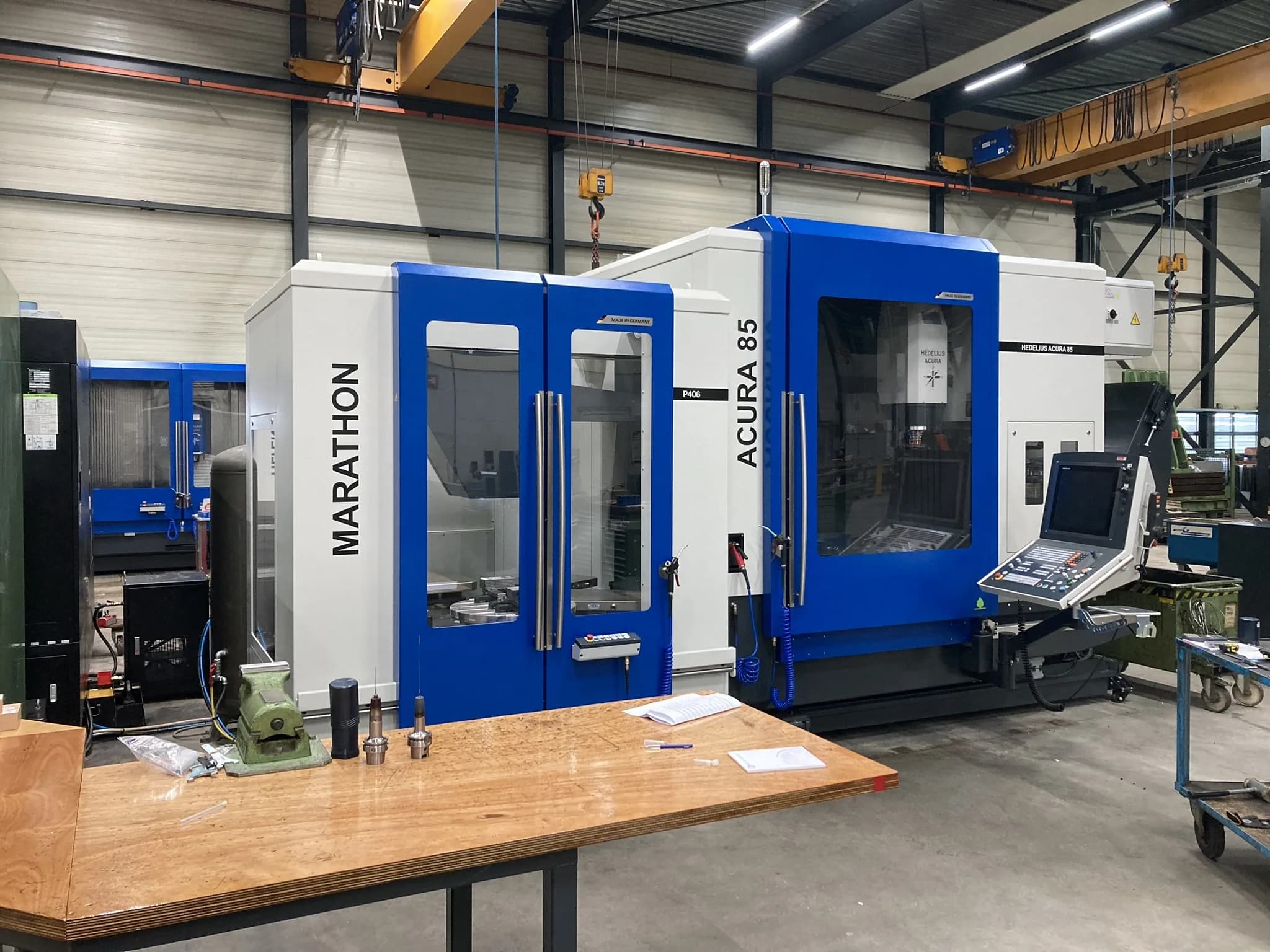
Hedelius ACURA 85
Automated five-axis CNC milling for controlled precision work. Explore the key specifications, suitable workpieces and its role in the complete production route.
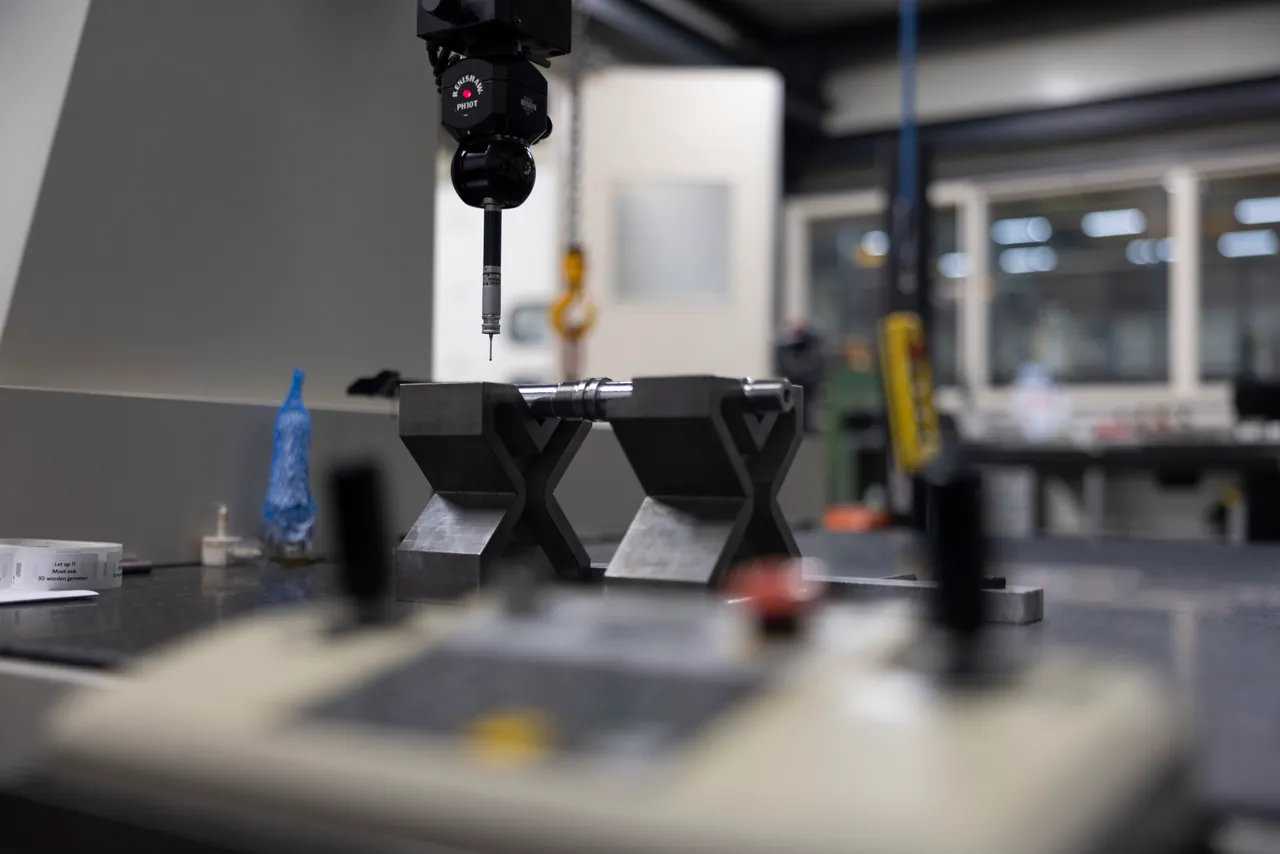
Measuring equipment and range
Coordinate critical features, measuring conditions and reporting with the drawing.
More about materials and machining
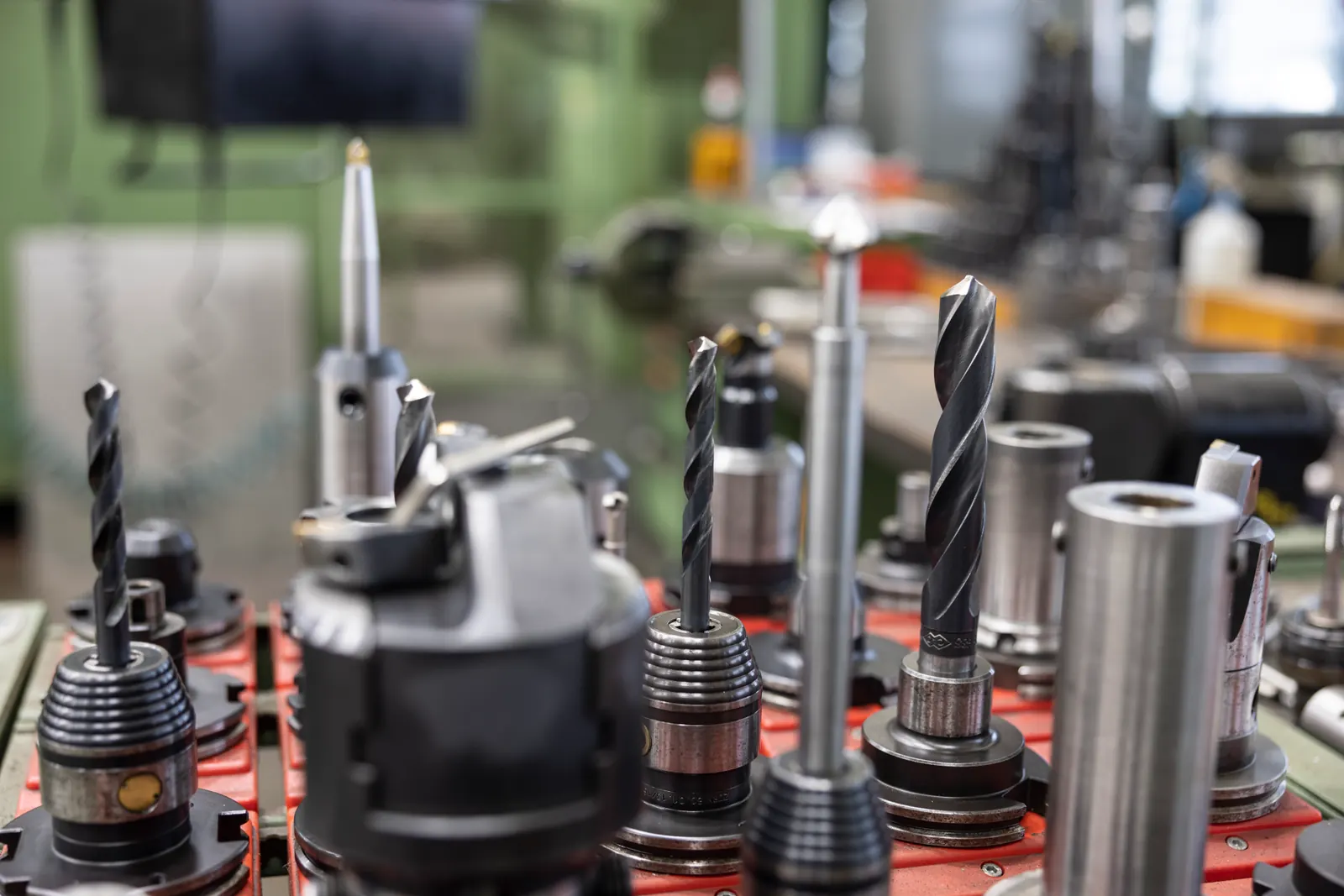
CNC milling: design, workholding and manufacturability
What is CNC milling and what makes a part suitable for it? Explore internal corners, tool access, workholding and the choice between 3 and 5 axes.
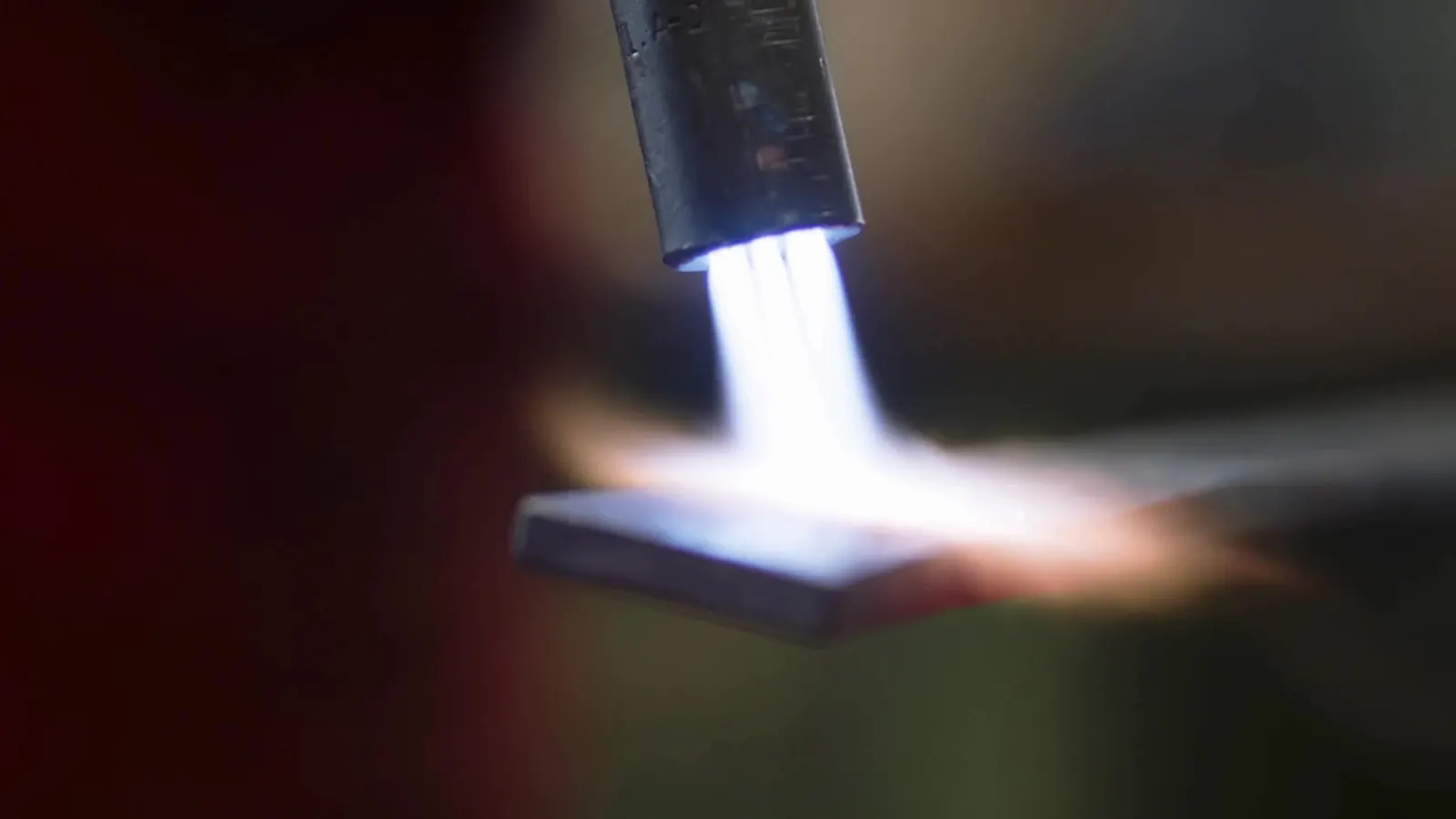
Metalworking: which process suits your component?
How do you choose a metalworking process? Compare machining, welding and finishing through geometry, material, tolerances and the required delivery condition.
Questions about material and supply
Frequently asked questions about material management
Can you supply material with a 3.1 certificate and heat numbers?
State the required certificate type and traceability requirement in the enquiry. Availability of the material certificate and preservation of the link between heat and component are confirmed in advance. A 3.2 document needs additional arrangements for independent inspection; it is not an automatic retrospective alternative.
Can I supply my own material, forging or casting?
Provide material data, condition, starting form and available allowance. Technical assessment establishes the suitable machining route and incoming inspection. Customer-supplied material is not automatically suitable for the final geometry.
Can you deliver aluminium parts without scratches?
Identify the visible surfaces and acceptable damage limits. Surface roughness, protection during clamping, handling and packaging are agreed in advance. Scratch-free is not an unlimited standard promise.
What should be agreed about cross-contamination and cleanliness?
Specify the required surface condition and any cleanliness criteria. Fixture cleaning, dedicated tools, storage and handling may be relevant. Applicable measures and inspections are established for the order.