
Material and process
The challenges of machining stainless steel
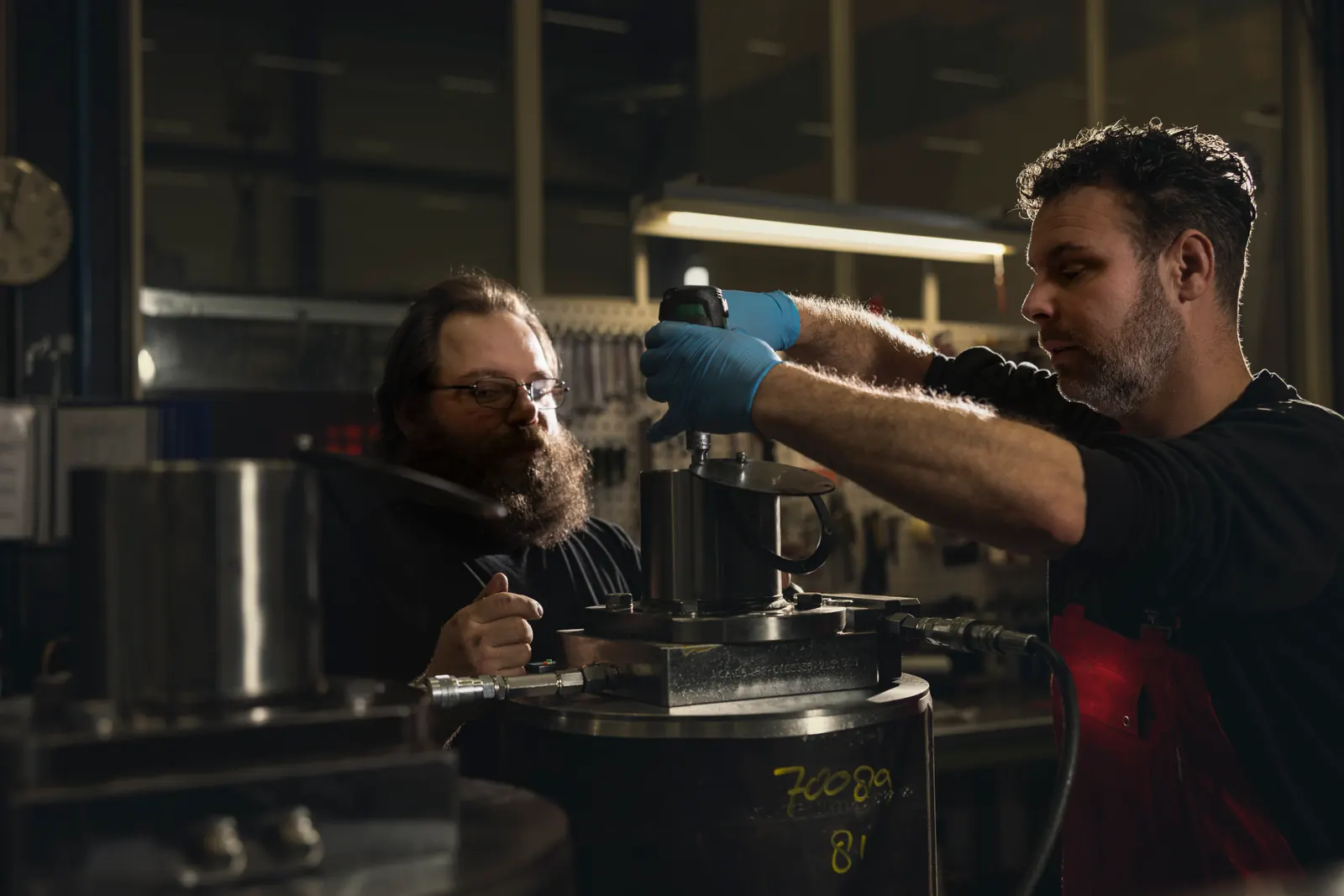
Stainless steel can work-harden during machining. A rubbing cutting edge makes the next cut more difficult. Tooling, workholding and cooling must suit the stainless steel grade and component geometry.
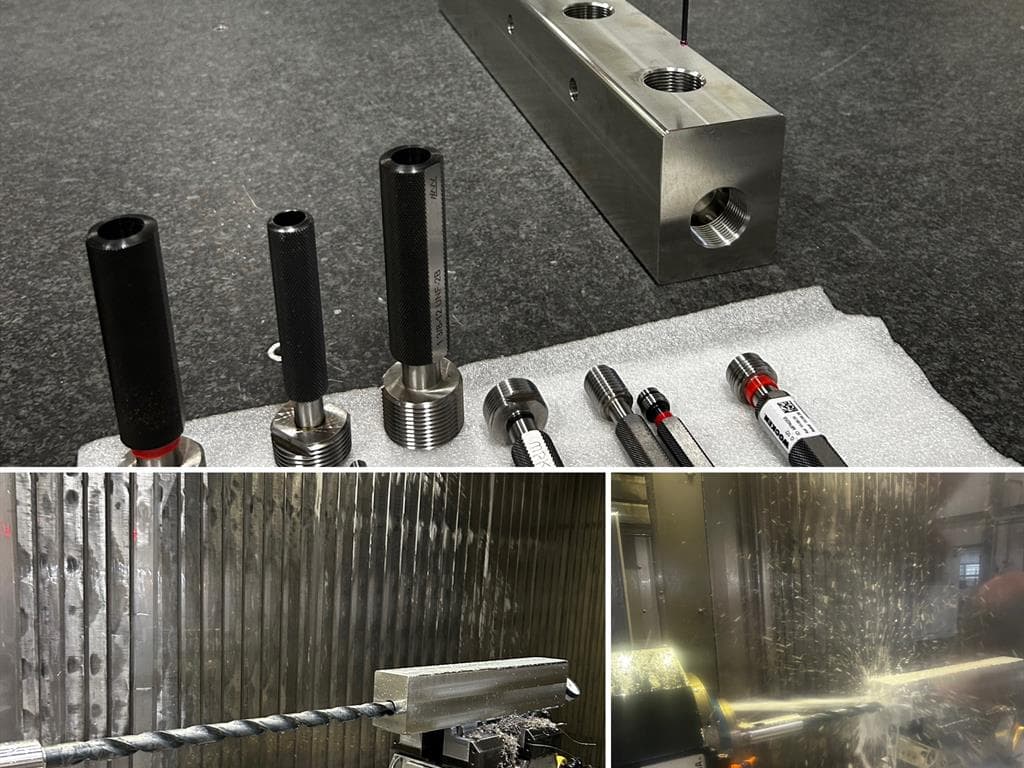
Deep holes require particular attention to coolant supply and chip removal. Cleaning and finishing also need to be agreed for welds and visible surfaces, aligning machining and inspection with the component’s function.
Technical starting points
Material suitability and execution criteria
Exact grade, operations and documentation are agreed for your component. The material examples below do not represent a stock list.
- Grades and condition
- Specify the exact standard, grade and product form. Stainless steels 304/304L and 316/316L are familiar austenitic grades; an L variant or another standard designation cannot be substituted without assessment.
- Operations
- Discuss CNC milling, turning, drilling and any TIG welding. Deep holes, joints and critical fits require a coordinated machining and inspection sequence.
- Material certificates
- State whether EN 10204 3.1 or 3.2 is required. Availability, inspection stages and the link between the heat or batch number and the component are agreed before procurement and production.
- Application and environment
- For process components, manifolds and assemblies, the medium, cleanability, temperature and operating loads matter. The required corrosion resistance is specified for the application.
In practice
Manifold with deep holes
For an international client, Douna combined stainless steel machining, deep-hole drilling and dimensional inspection in one production process for a complete manifold.
Machines, welding and inspection
Explore the resources for your production route. The suitable machine, welding procedure and inspection approach are established for each workpiece.
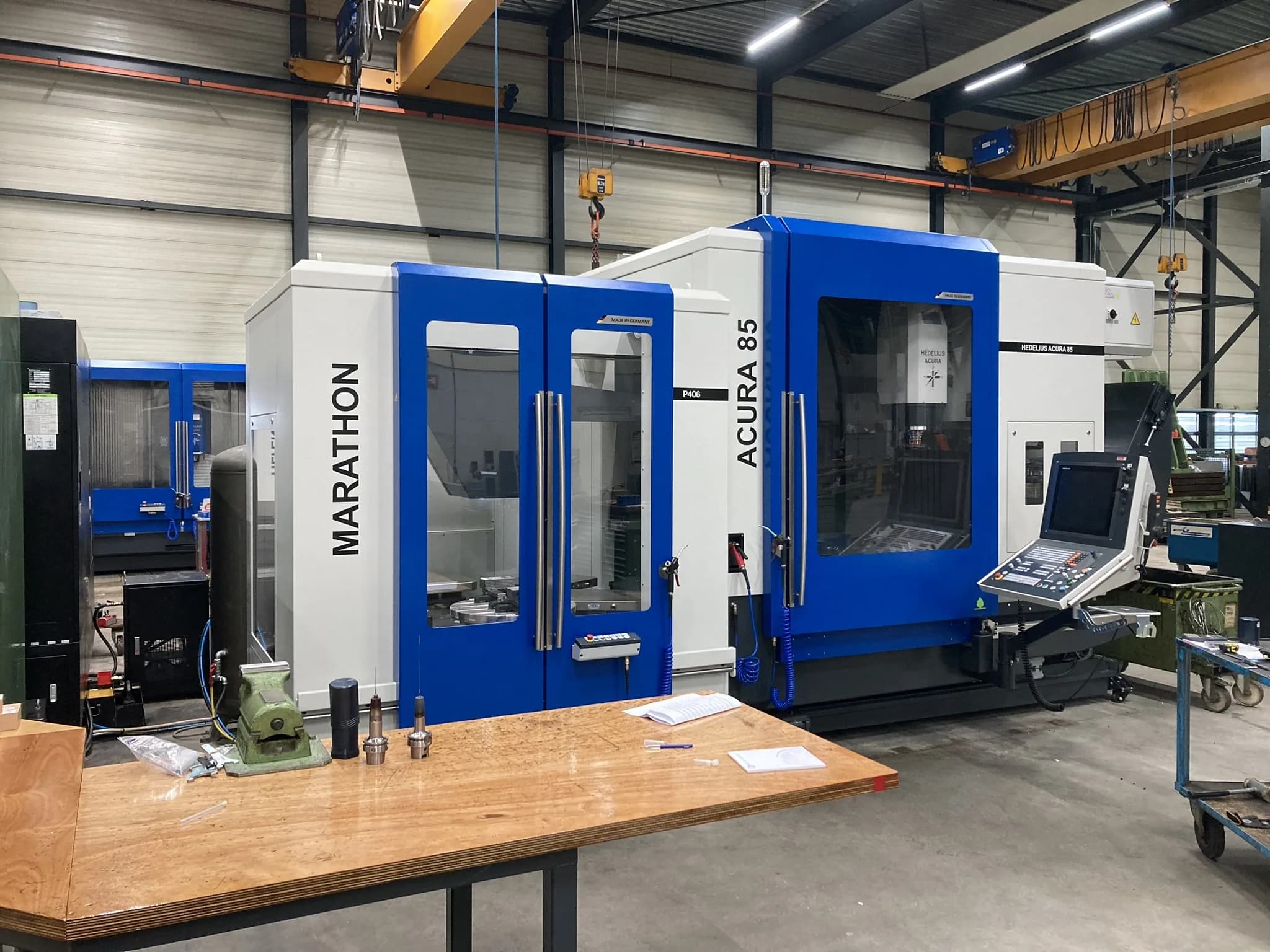
Hedelius ACURA 85
Automated five-axis CNC milling for controlled precision work. Explore the key specifications, suitable workpieces and its role in the complete production route.
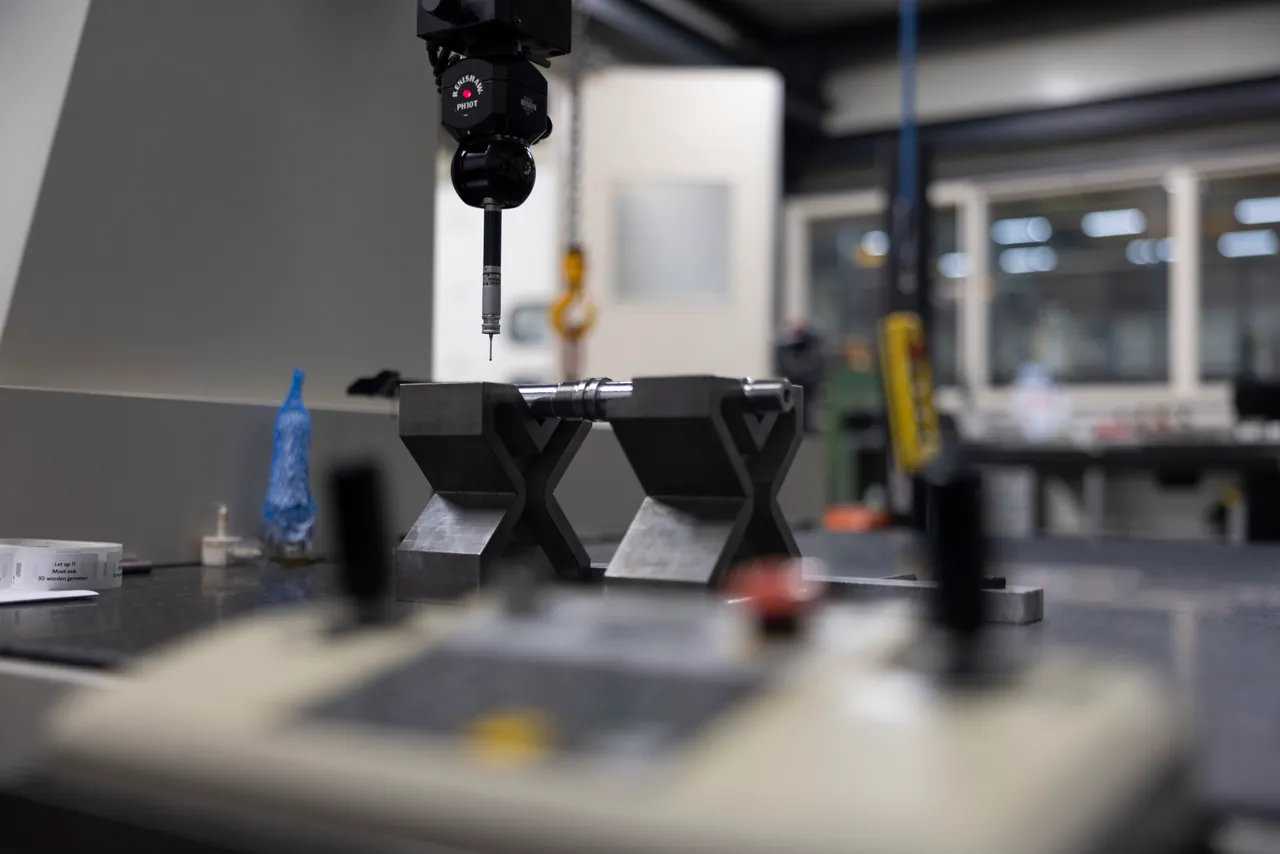
Measuring equipment and range
Coordinate critical features, measuring conditions and reporting with the drawing.
More about materials and machining
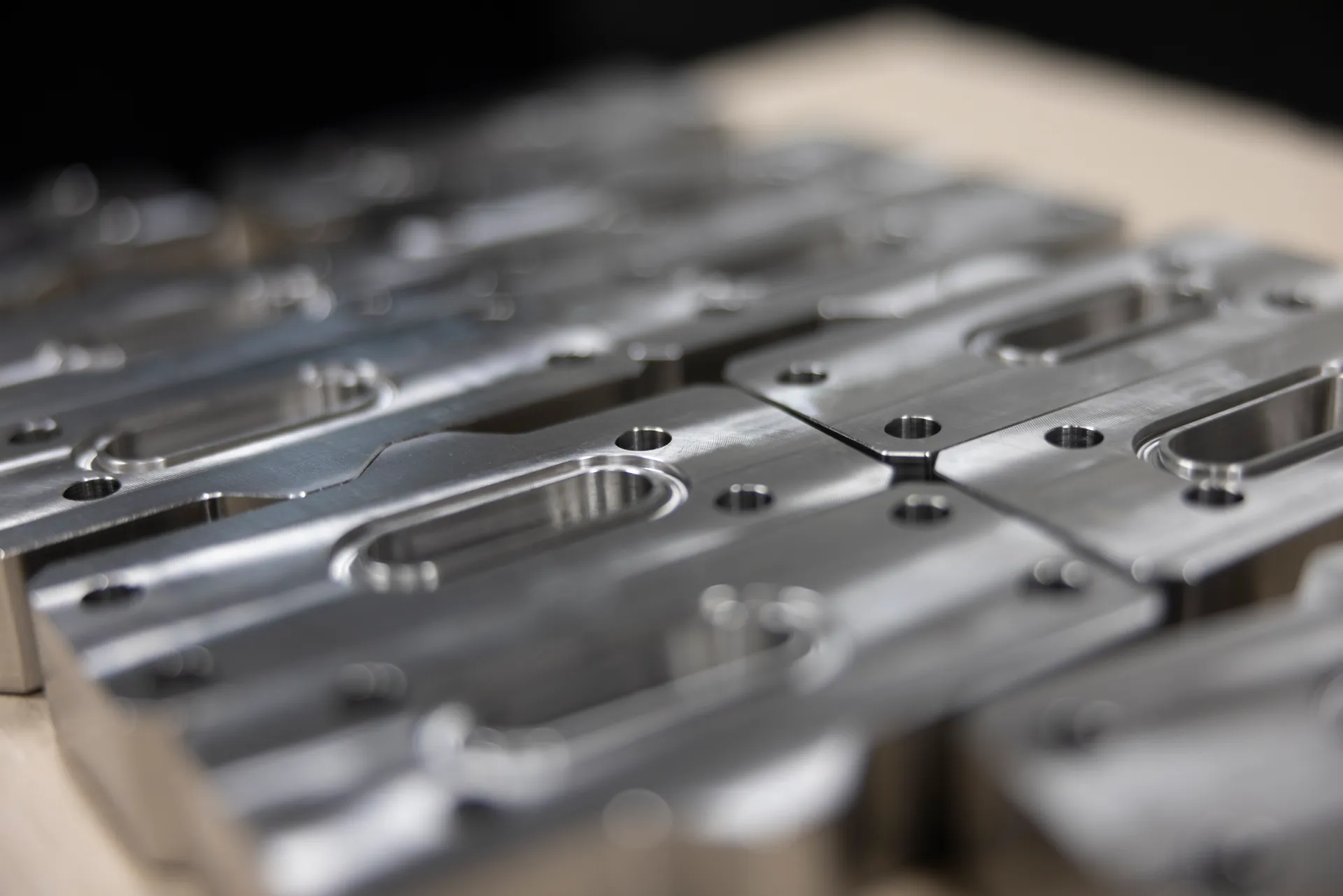
CNC machining: what is it and how does it work?
What is CNC machining, and how does a drawing become a component? Read about milling, turning, material selection, workholding, costs and dimensional inspection.
Machining duplex and super duplex: long components, deep channels and residual stress
Machining duplex and super duplex requires control of cutting forces, residual stress and chip evacuation. Two practical examples show why the machining sequence matters.
Questions about material and supply
Frequently asked questions about material management
Can you supply material with a 3.1 certificate and heat numbers?
State the required certificate type and traceability requirement in the enquiry. Availability of the material certificate and preservation of the link between heat and component are confirmed in advance. A 3.2 document needs additional arrangements for independent inspection; it is not an automatic retrospective alternative.
Can I supply my own material, forging or casting?
Provide material data, condition, starting form and available allowance. Technical assessment establishes the suitable machining route and incoming inspection. Customer-supplied material is not automatically suitable for the final geometry.
How do you prevent iron contamination on stainless steel?
Stainless steel is itself iron-based. The concern is mainly the transfer of free iron through steel dust, contaminated fixtures or brushes previously used on carbon steel. Define the required separation, cleaning and surface inspection in advance; measures are confirmed for the order.