
Technical article
Choosing a surface treatment for your component
Which surface treatment suits a machined component? Compare five treatment methods and learn what to specify about materials, dimensions and inspection before production.
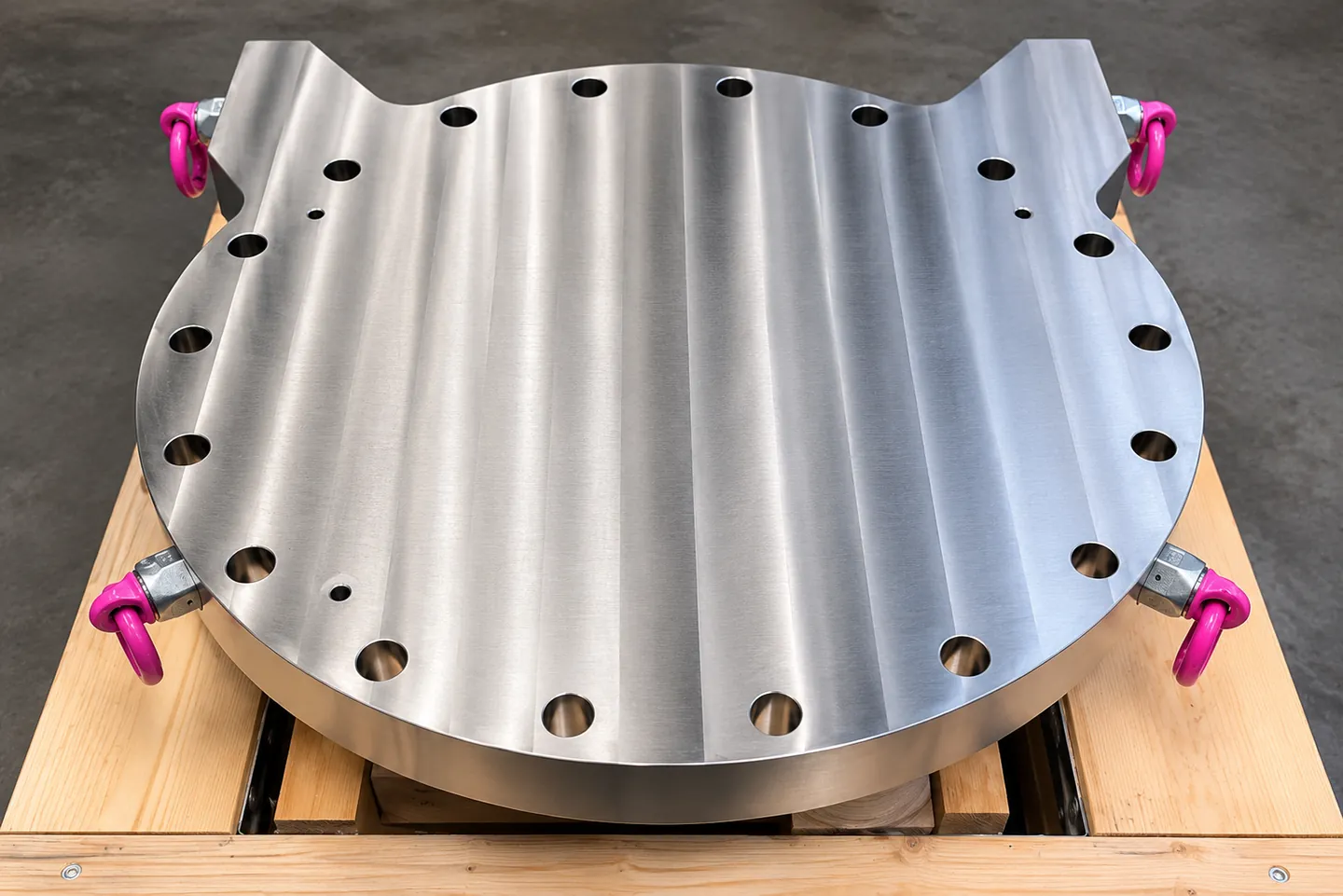
A precisely machined component also needs to withstand its operating conditions. Moisture, chemicals, friction and wear each place different demands on its surface. The right surface treatment therefore depends on the component’s function, base material and required finished dimensions. Nickel plating, zinc plating, QPQ, black oxide and hard chrome plating each work in a different way. This article explains the differences and the requirements that belong on the drawing from the outset. It helps you assess the treatment as part of the complete manufacturing process, including finishing and inspection.
Direct answer
Which treatment should you choose for your component?
Choose a surface treatment according to the operating environment, base material and functional finished dimensions. Nickel forms a protective barrier; zinc protects steel sacrificially. QPQ modifies the outer material zone and combines wear resistance with additional corrosion protection. Black oxide produces a thin black conversion layer. Hard chrome plating deposits a hard functional coating. The right choice also requires agreement on coating thickness, finishing and inspection.
Make the choice before machining
A treatment may add material, convert the surface or change the material properties in the outer zone. This affects fits, threads, roughness and the sequence of operations. Agree in advance which surfaces will be treated and which requirements apply after treatment. A component that meets its drawing before plating may no longer meet it afterwards.
Worked example: a uniform 25 µm coating on the outside of a round shaft theoretically increases its diameter by 50 µm. Inside a bore, the clear diameter decreases by 50 µm. This is a geometric example; actual coating distribution and tolerances require a specific process agreement.
Nickel plating provides a protective barrier
A nickel coating separates the base material from its environment. Effective corrosion protection requires suitable preparation, adhesion and a sufficiently continuous coating. Pores or damage can allow local attack of the underlying steel. Specifying thickness alone is therefore not enough.
Electrolytic nickel plating uses an electric current to deposit nickel. Edges, recesses and bores do not automatically receive the same thickness. Electroless nickel plating typically produces a nickel-phosphorus coating through a chemical reaction. It gives relatively uniform thickness on more complex shapes too, provided the process solution reaches the surfaces properly.
The choice also depends on the medium, temperature, geometry and required wear resistance. The phosphorus content of electroless nickel matters as well. For components in an alkaline electrolyser, for example, the nickel specification must suit the actual process conditions; “nickel plated” alone is not a complete specification.
Zinc plating protects steel sacrificially
Under suitable conditions, zinc protects steel by corroding preferentially. This can allow the coating to provide protection at small areas of damage. Electrolytic zinc plating is often combined with passivation and, where required, a sealer. The complete coating system and operating environment determine the protection required. Electrolytic zinc plating and hot-dip galvanizing are different processes and cannot simply be substituted on a drawing.
QPQ for surfaces subject to wear
QPQ stands for Quench–Polish–Quench. It is a thermochemical treatment based on salt bath nitrocarburising, combined with oxidation, polishing and further oxidation. Nitrogen and carbon modify the outer zone of the material. The process combines improved wear resistance with additional corrosion protection and a dark surface.
The nitrocarburising stage typically takes place at around 580 °C. The material grade, previous heat treatment and component geometry must be compatible with this. Limited dimensional change does not guarantee that every fit will be maintained: assess growth, distortion and roughness for the specific component. QPQ can be an alternative to a metallic coating for some shafts or wear parts, but the processes are not automatically equivalent.
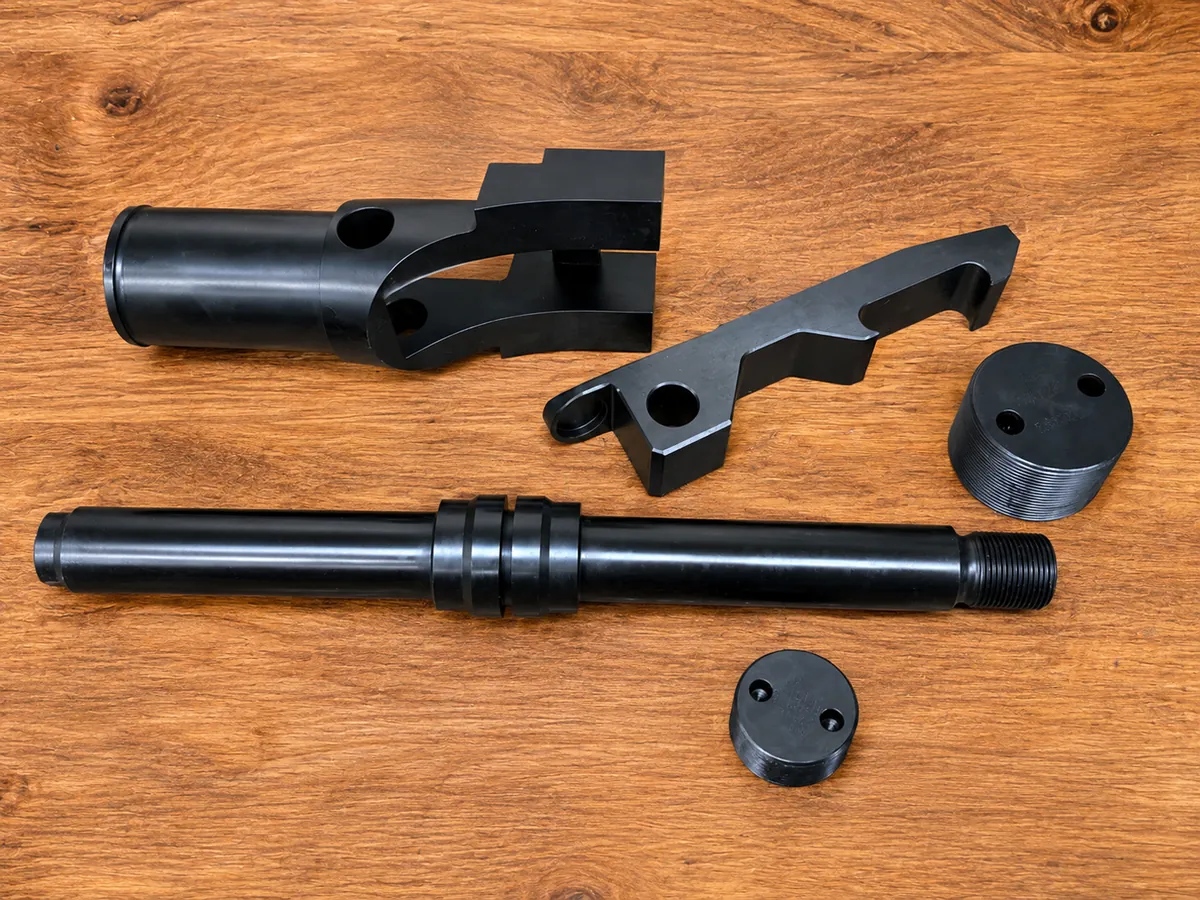
Black oxide is a different treatment
Black oxide treatment on steel produces a thin conversion layer at the surface. Dimensional change is generally small. A suitable oil, wax or sealer contributes to corrosion protection. Black oxide does not, however, give the component the hard nitrocarburised zone produced by QPQ. Choose according to the required properties; a black colour alone does not reveal how a treatment performs.
Hard chrome plating for functional sliding surfaces
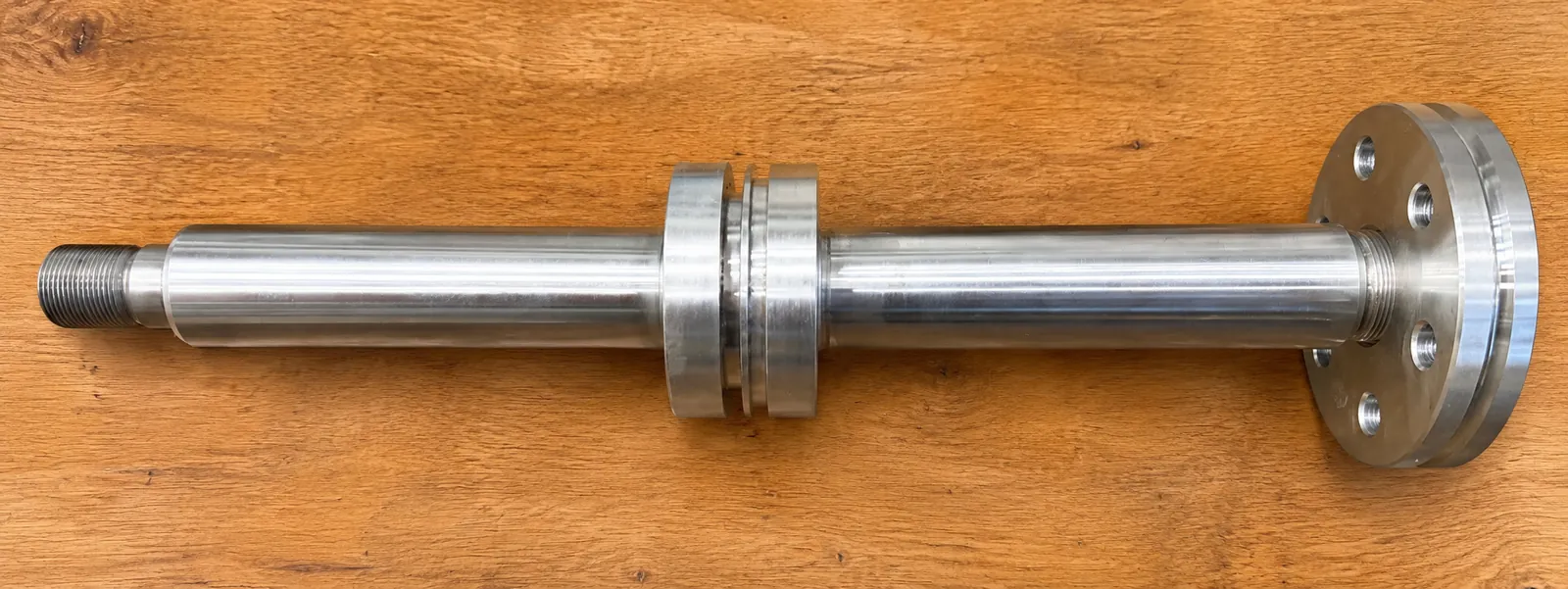
Hard chrome plating deposits a hard chromium coating, for example on a shaft, plunger or other functional sliding surface. The required thickness, surface texture and finished dimensions determine the process route. Grinding or polishing after plating may be needed to achieve the specified size and roughness. State how much coating must remain after finishing. Corrosion protection also requires a suitable coating build-up; a hard surface alone does not demonstrate adequate protection.
What to specify on the drawing
Base material and condition. State the material grade, heat treatment and, where relevant, hardness or strength.
Treated and untreated surfaces. Identify functional surfaces, threads and areas to remain untreated; agree the masking requirements.
Coating requirements and final dimensions. Specify the treatment system, relevant coating thickness and tolerances after treatment.
Roughness and finishing. Identify surfaces that need grinding or polishing and state the final requirements.
Inspection and documentation. Agree measurement locations, methods and acceptance criteria, including any treatment report.
Consider hydrogen embrittlement when selecting the process
In susceptible high-strength or hardened steels, hydrogen absorbed during preparation or electroplating can cause delayed fracture. Assess this before specifying the treatment. A prescribed hydrogen embrittlement relief baking treatment can reduce the risk, but cannot guarantee its complete elimination. Material, process and any testing need to be considered together.