
Technical article
Metalworking: which process suits your component?
How do you choose a metalworking process? Compare machining, welding and finishing through geometry, material, tolerances and the required delivery condition.
The technique
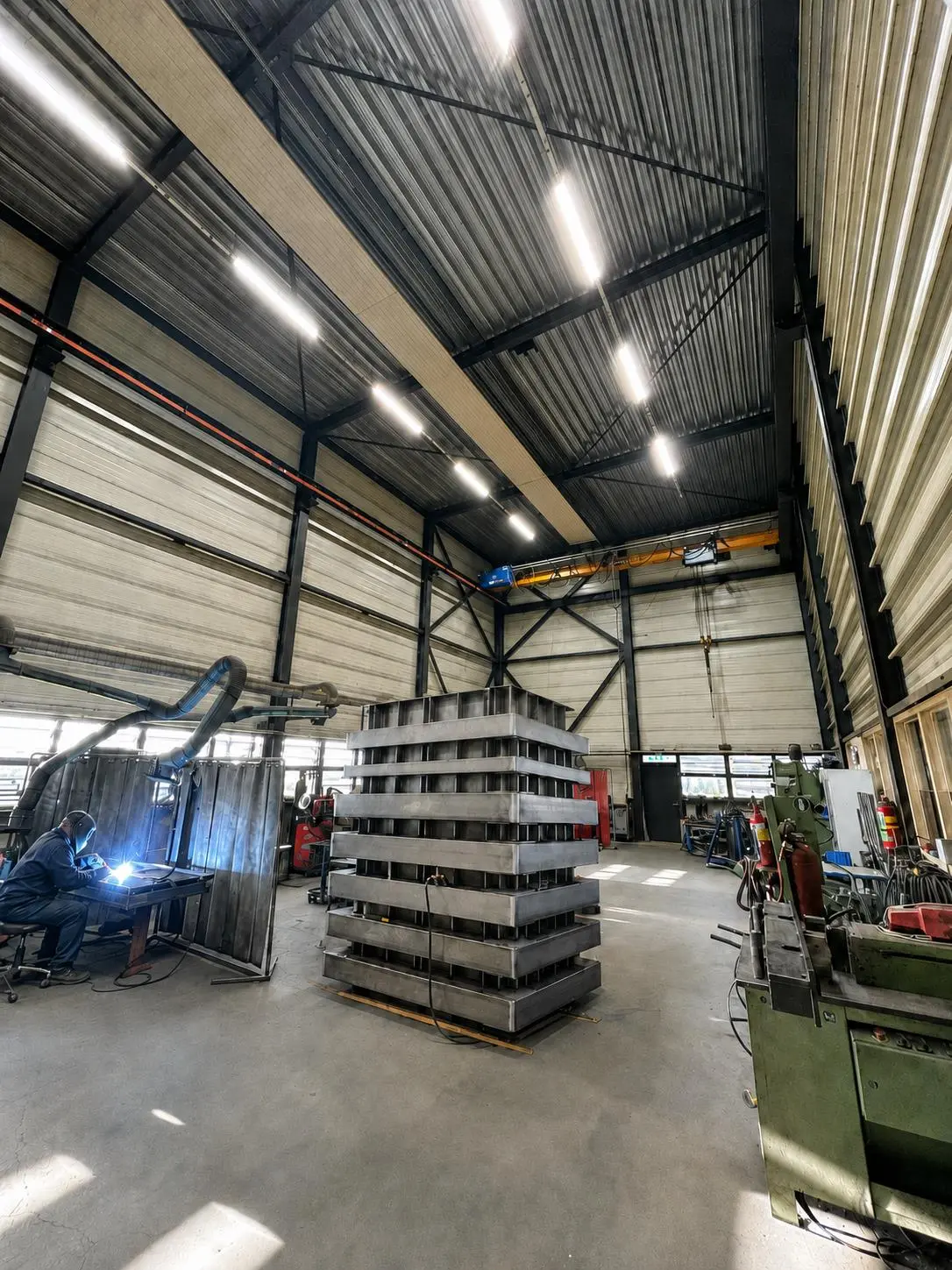
Welding joins metal parts to form a component or assembly. The joint’s function, material, welding sequence and possible distortion determine how work is prepared and inspected. Applicable certification is confirmed for each order.
The route name is not a general certification promise. Only demonstrably applicable requirements and a confirmed scope are used for an order.
A certificate, standard, validity or material application never applies automatically to every order and is confirmed separately.
Process and approach
Link drawing requirements to preparation, welding sequence and agreed inspection points.
Applicable standards, certificates, validity and scope are confirmed separately for each order. The existing route name is not a general certification promise.
Frequently asked questions
Supply drawings, available material information and the joint’s function. State any standard, inspection and documentation requirements. Accessibility, assembly and possible subsequent operations also matter for preparation.
This can only be established using current evidence documents and a confirmed scope for the order. The page title is not a general certification promise. Standard, validity, application scope and required documentation must be confirmed separately.
Preparation considers the joint, assembly, welding sequence and accessibility together. Inspection and any subsequent operations align with the assembly’s function and dimensions.
This depends on confirmed project requirements. Before execution, the required inspections, timing and documents for handover are agreed. Specific standards or inspections do not apply automatically to every order.