
The technique
What is CNC milling?
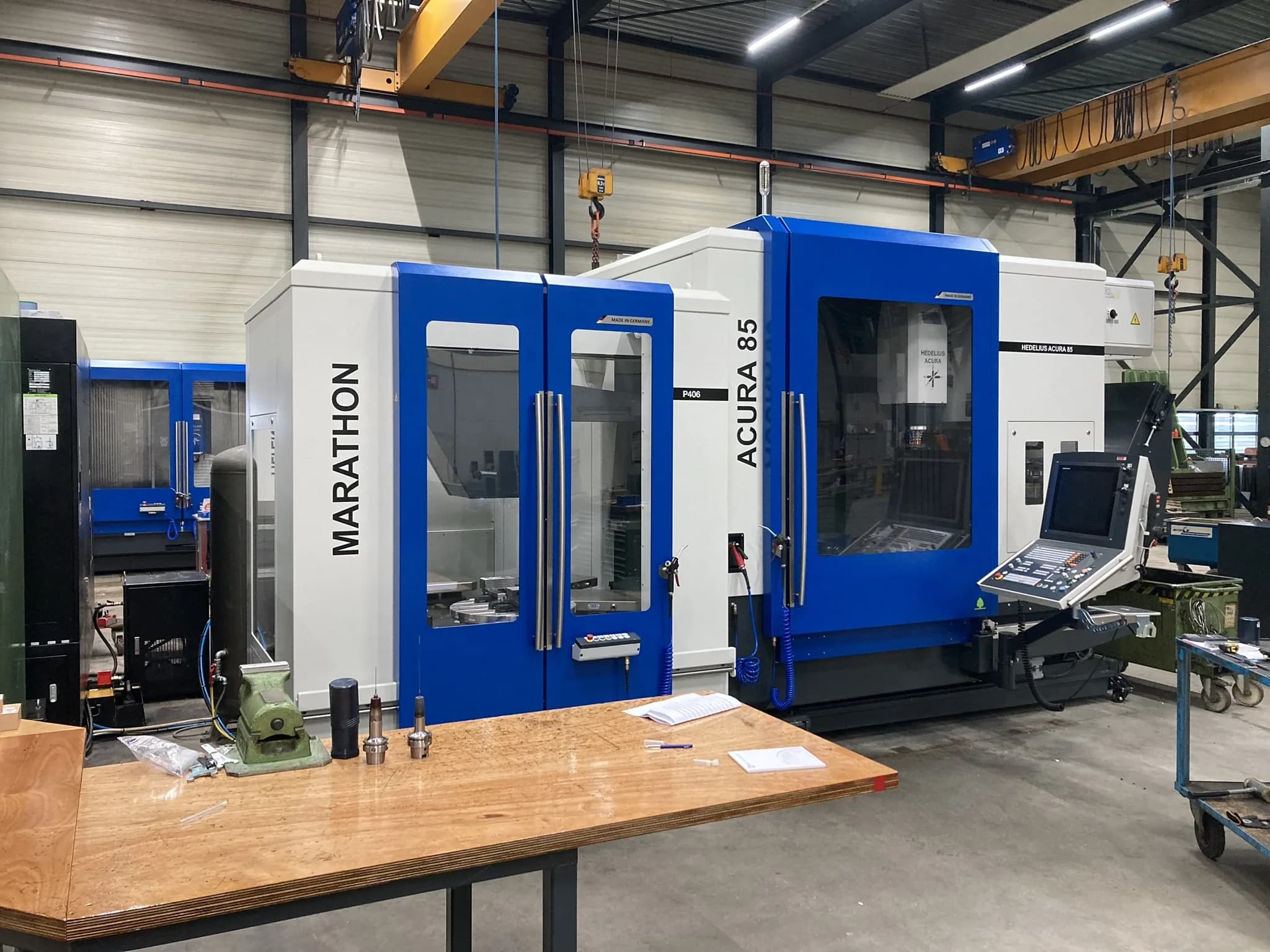
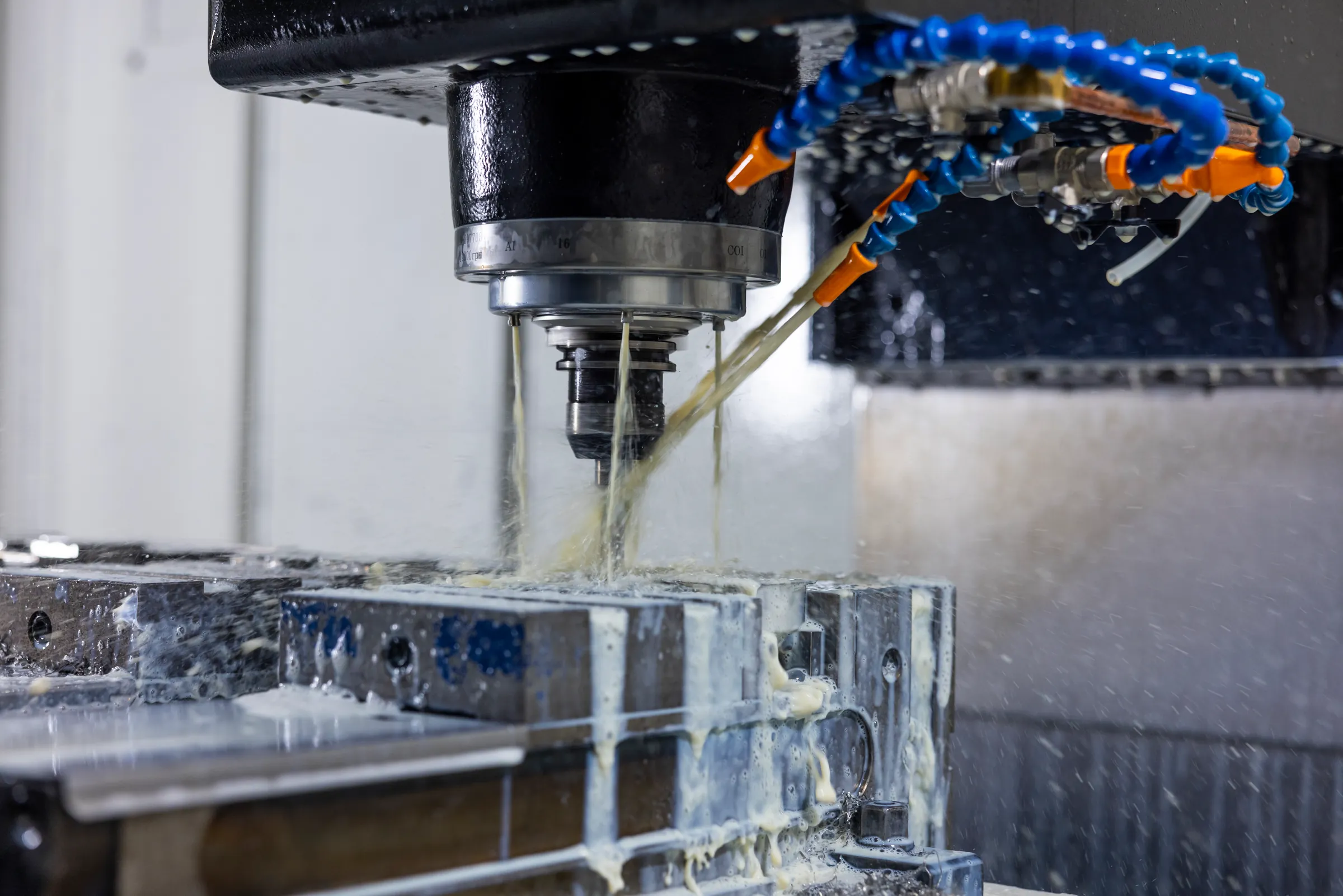
In CNC milling, a rotating cutting tool removes material to create faces, pockets, slots and contours. The shape of the component, access to its features and the workholding method determine the appropriate machining route. Components with both round and other features may require a combination with turning.
The drawing, material and required delivery condition together form the starting point for assessment.
Suitability
When is CNC milling suitable for your component?
The assessment considers the features that determine how the component works. An outside contour alone does not explain how the component should be manufactured and inspected.
Faces and geometric features
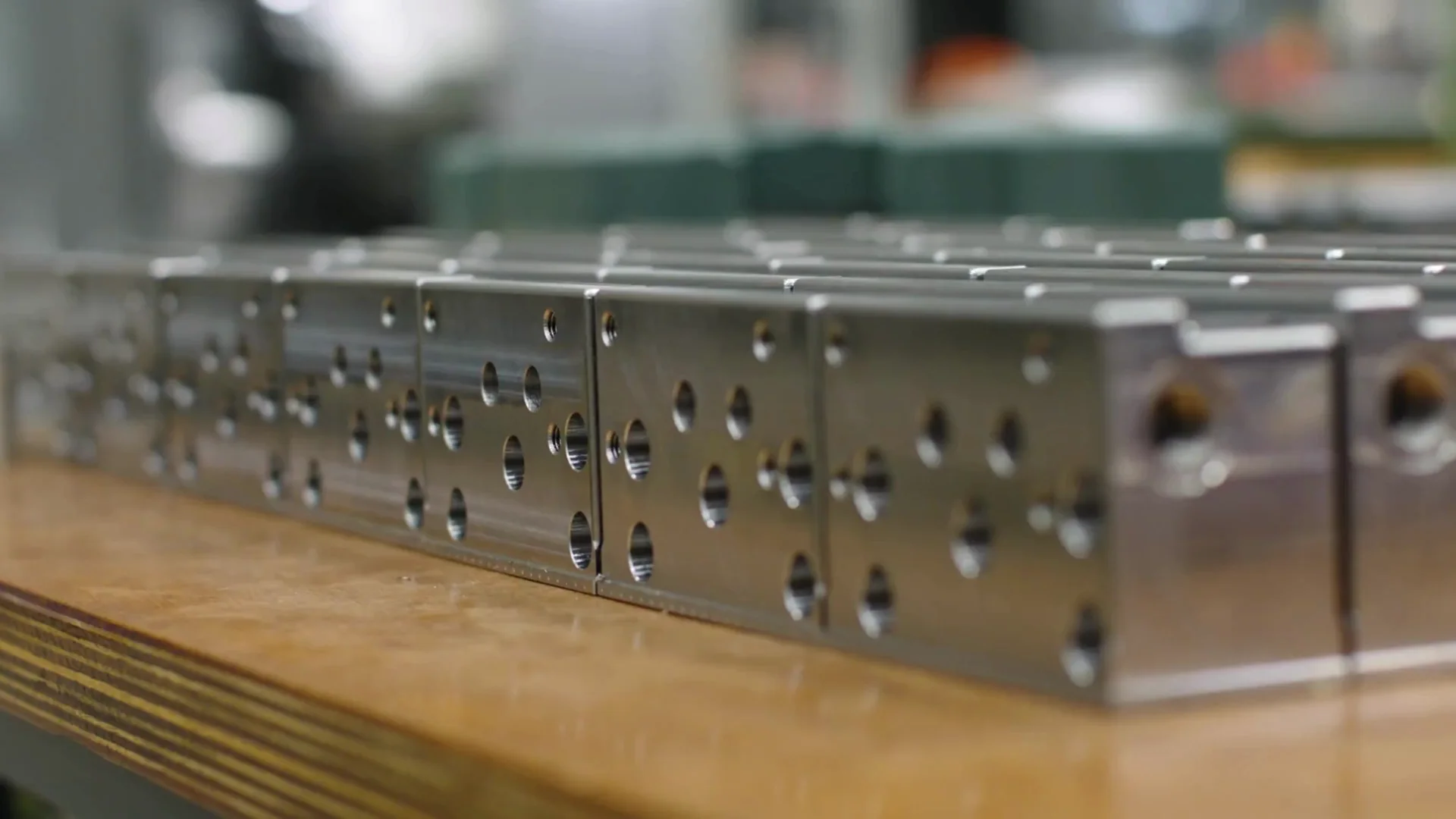
Faces, pockets, slots and holes require suitable tools and sufficient access. Internal corners and deep features form part of the manufacturability assessment.
Workholding and datums
The component must remain supported and accessible during machining. Datum faces help maintain the relationships between different operations.
Functional dimensions
Identify the fits, interfaces and relative positions that are critical. These requirements guide the machining sequence and the agreed inspection.
Provide the material grade, dimensions and required tolerances so that we can assess the feasibility of your component.
Process and approach
From drawing to machining route
The production route connects preparation, milling and inspection. Additional operations or documentation depend on the function and the agreements for the order.
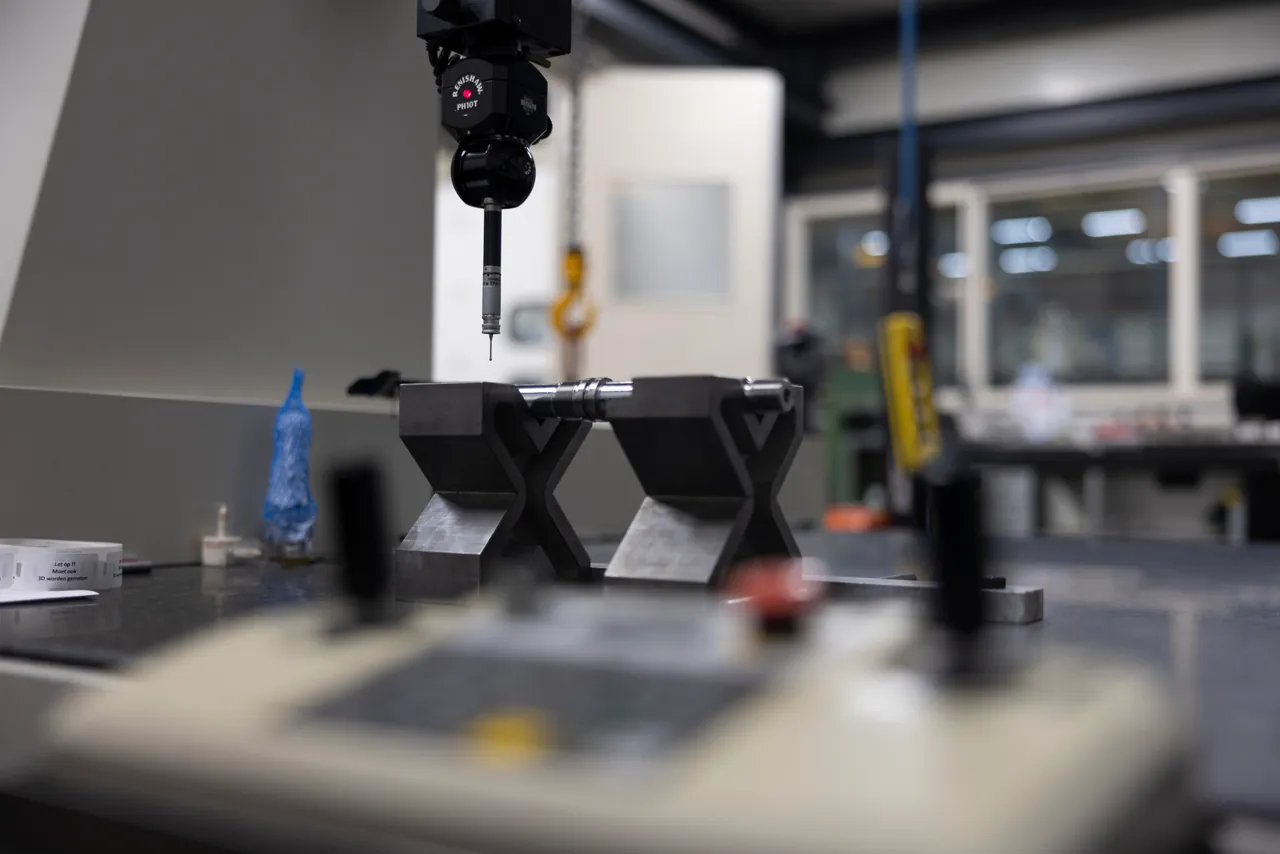
Critical dimensions and surfaces determine the inspection required. Inspection stages and the requested documentation are linked to the machining route. Required tolerances are assessed for each component.
Assess the component
Consider the drawing or model reference, material, quantities and critical features together. Also state the required final condition and schedule.
Prepare the machining
Determine which faces need to remain accessible, how the workpiece is held and the sequence of operations.
Agree inspection and delivery
Record which dimensions will be inspected and which documentation is required at delivery. Any subsequent operations form part of the same coordination.
Technical considerations
Material and quantities
The material and number of components influence preparation. Include this information in the enquiry so that milling can be assessed as part of the complete requirement.
Steel, stainless steel and material selection
State the exact material grade and any heat or surface treatment. Suitability for your geometry and required final condition is assessed separately.
One component or a series
State the required quantity and any repeat requirement. A one-off enquiry and a recurring series may call for different preparation and workholding strategies.
In practice
Component for a truck manufacturer
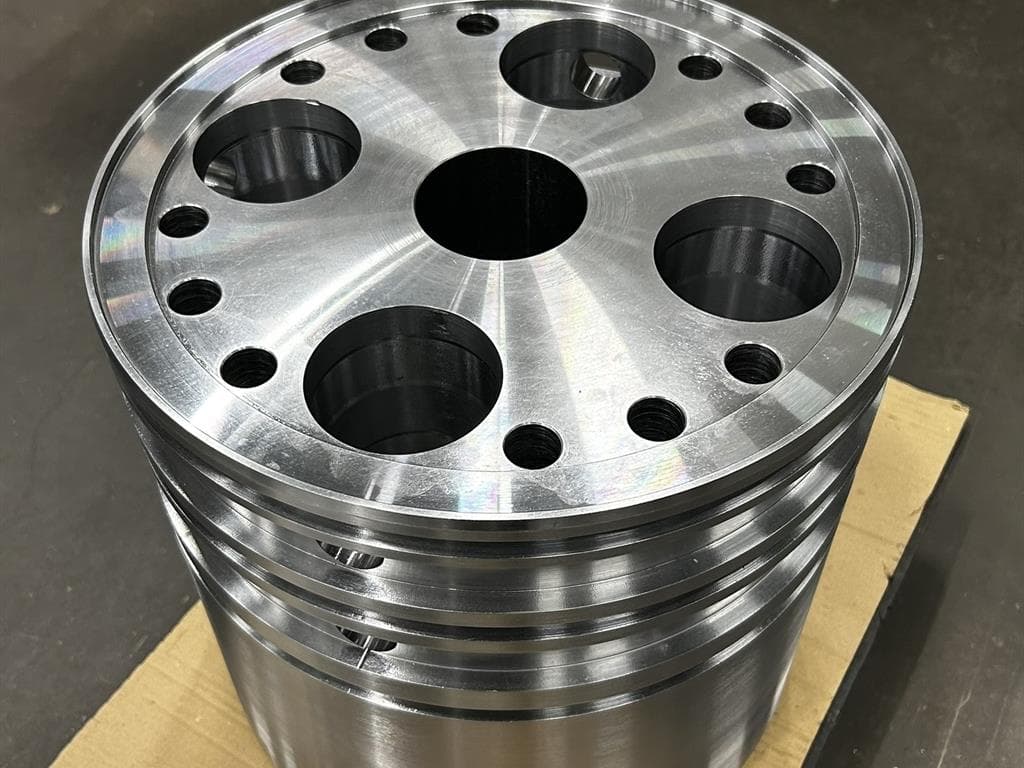
A custom component for a truck manufacturer, fully turned and milled by Douna from S355J2+N.
A large S355J2+N workpiece with holes, pockets, grooves and mating surfaces required stable workholding and a carefully planned machining sequence.
Supports solutions
Part of a complete solution
The required outcome determines which capabilities are needed. This capability is only used where it demonstrably supports the solution.
From an idea, drawing or reference component to a suitable custom component through a technical process agreed in advance.
A repeatable production process for recurring components, aligned with the requirements and continuity of the enquiry.
From a technical requirement to an agreed measurement and inspection result for your component or assembly.
Machine fleet
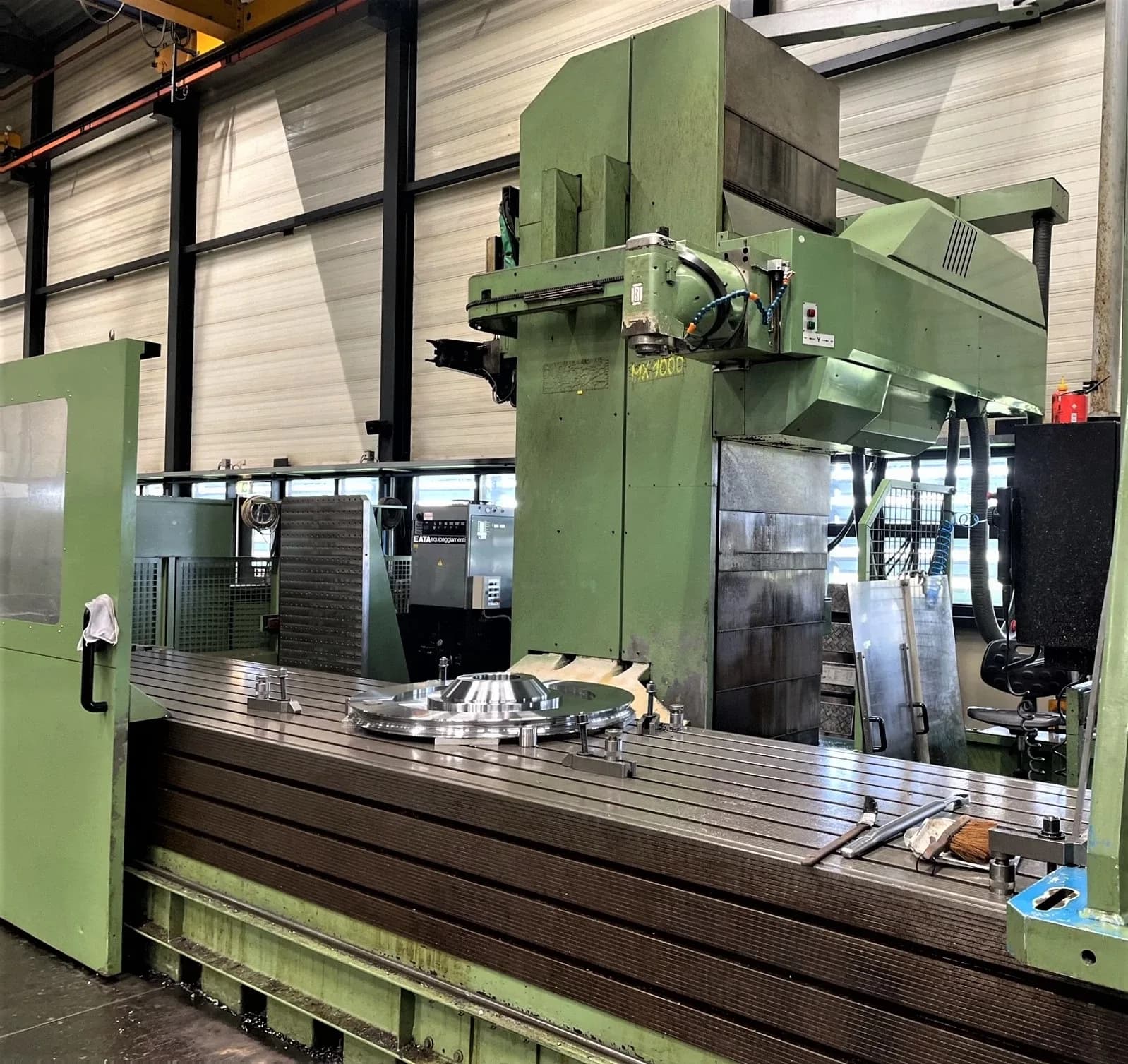
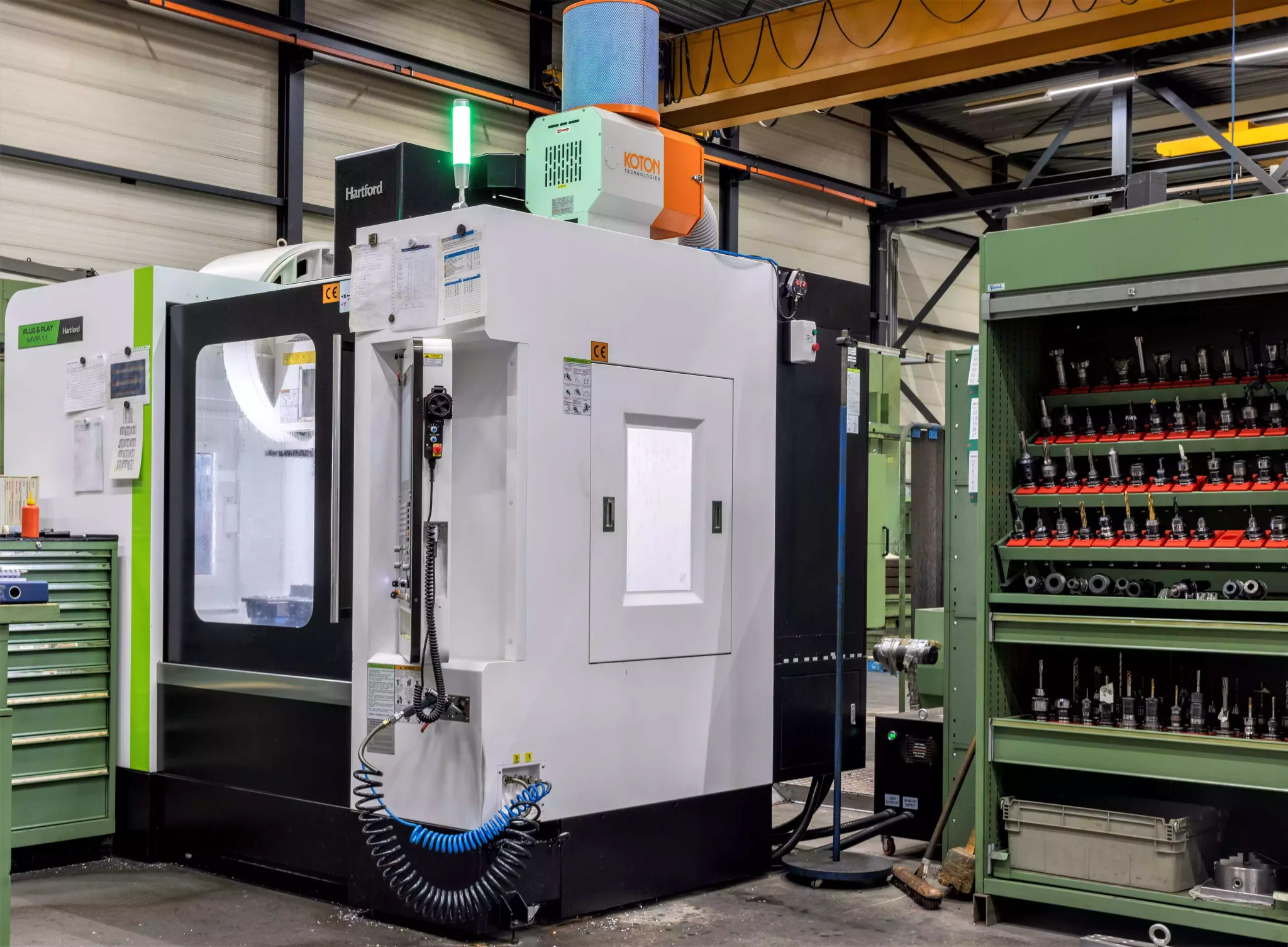
Machines for CNC milling
Explore the technical capabilities. The choice of machine and workholding depends on your component.
Related content
Technical articles
Frequently asked questions
Frequently asked questions about CNC milling
What is the difference between CNC milling and CNC turning?
In CNC milling, the cutting tool rotates. In conventional turning, the workpiece rotates around its axis. The full geometry determines which operation or combination is appropriate; the CNC machining page provides the broader context.
What is needed to assess milling work?
State the application, an up-to-date drawing or model reference, material, quantity, critical dimensions and required schedule. Use the existing contact route to discuss how technical files can be provided.
Can turning and milling operations be combined?
The existing project for a truck manufacturer demonstrates a combination of turning and milling. The appropriate sequence and workholding for your component are assessed separately.
What determines the cost and lead time of milling?
Geometry, material, preparation, quantity and inspection requirements influence the work. A price or delivery date therefore requires assessment of the specific enquiry.