
The technique
Finish-machining forgings and castings
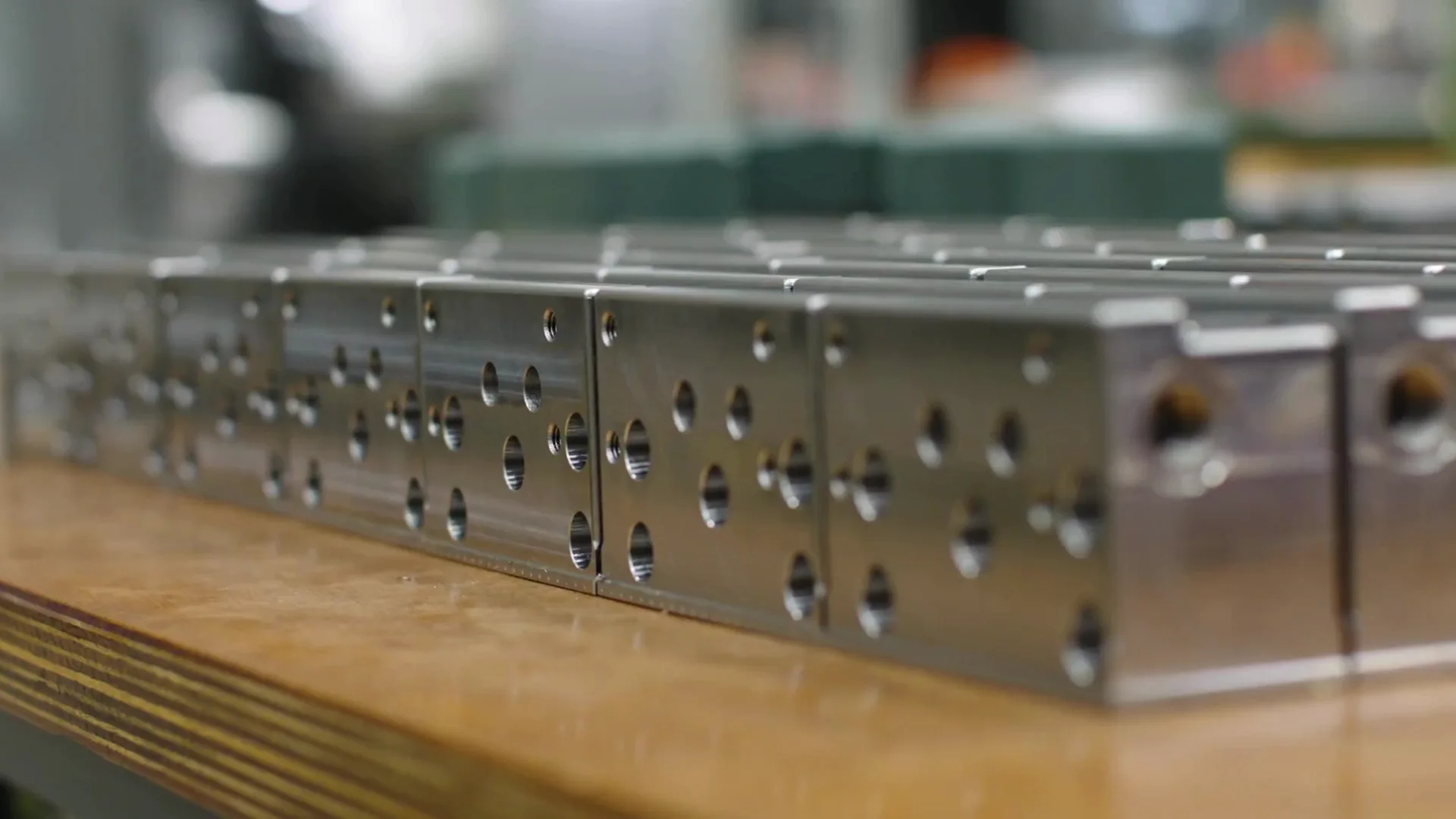
Finish-machining forgings and castings removes material from a supplied workpiece to create the required surfaces, holes and final dimensions. The actual stock geometry and available machining allowance determine datums, workholding and machining sequence.
A forging or casting requires a machining route accounting for both its actual starting shape and required final function.
Material condition, machining allowances, dimensions and tolerances are technically confirmed for each enquiry.
Process and approach
Datums and machining sequence
Finish-machining connects the supplied condition to the dimensions and faces needed for final function.
Check the starting situation before machining and record how datums will be retained during intermediate steps.
Frequently asked questions
Frequently asked questions about machining forgings and castings
What does finish-machining forgings and castings involve?
Finish-machining removes material from the supplied workpiece to create the required faces, bores and final dimensions. Its actual starting shape is compared with the required geometry and function.
Does this service include forging or casting itself?
This page concerns CNC finish-machining of supplied forgings and castings. Preparation starts from the available starting shape and material information. It does not offer in-house forging or casting capacity.
Why is machining allowance important?
Available allowance determines how much material can be removed to reach final geometry. Starting shape, skin and material condition are therefore assessed with the required dimensions before defining the machining sequence.
What information is needed to finish-machine a forging or casting?
Supply the required final drawing and available information about the starting workpiece and material. Relevant datums, allowances and functional dimensions help define workholding, machining sequence and inspection points.