The technique
What is large-part machining?
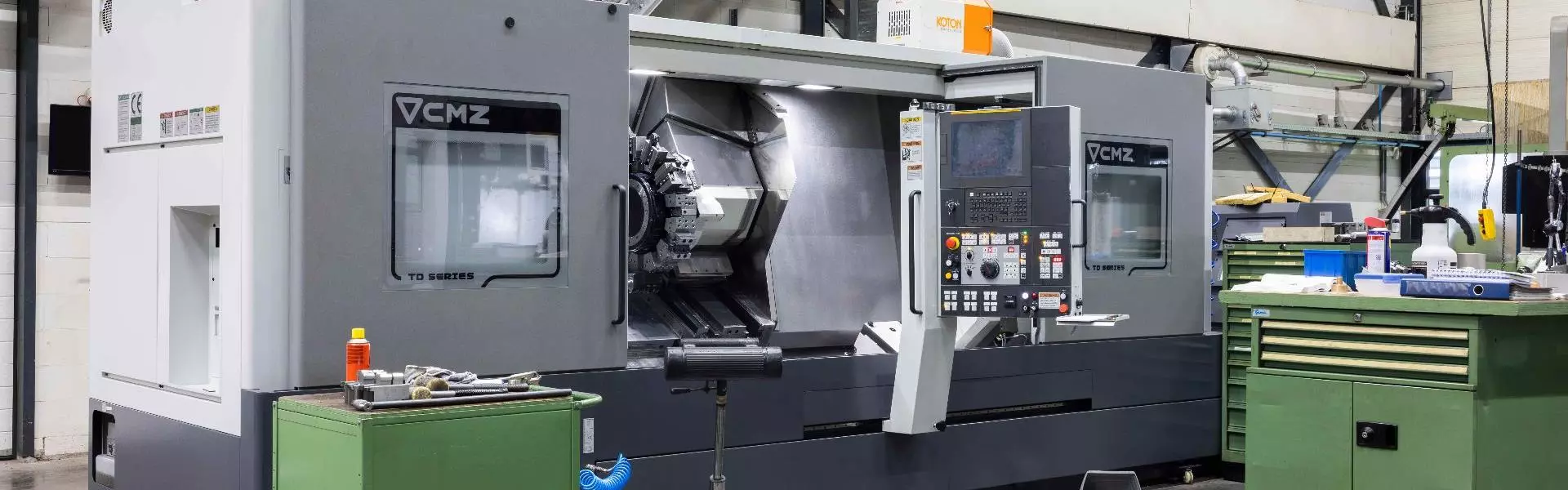
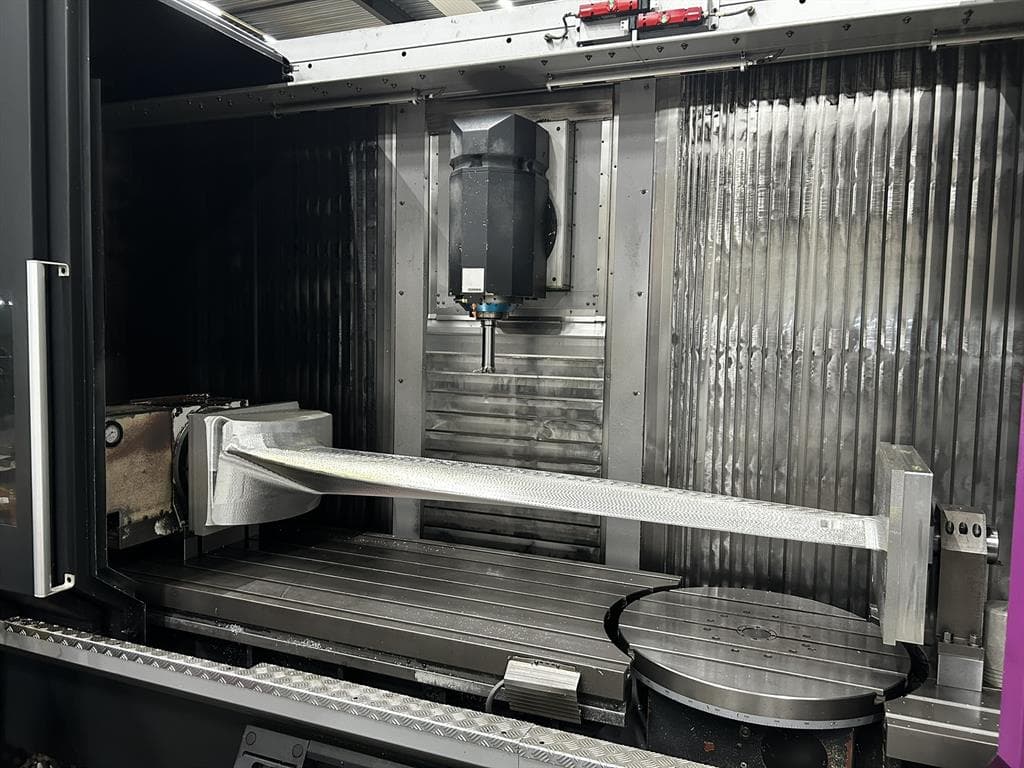
Large-part machining removes material from large workpieces to create the required geometry and dimensions. Support, workholding and accessibility determine how the surfaces remain accessible and how datums are maintained during machining.
Suitability is determined by the complete workpiece and required operation, rather than a title or an isolated machine dimension.
Confirmed capacity limits belong on the capabilities page; suitability, dimensions, mass and conditions are assessed for each enquiry.
Process and approach
Workholding, handling and machine selection
Preparation connects the surfaces to be machined with support, movement and inspection.
Agree the governing datum surfaces and when dimensions are checked, including when the workpiece is set up again.
Frequently asked questions
Frequently asked questions about large-part machining
When does a workpiece require large-part machining?
Large-part machining is relevant when workpiece size and shape require extra attention to support, accessibility and handling. Mass, workholding and the surfaces to be machined also determine the route.
What are the maximum dimensions for large-part machining?
Feasibility is assessed for the complete workpiece and requested operations. Separate machine dimensions must not be combined into a general maximum capacity. Supply drawings, dimensions, mass and critical surface information for a focused assessment.
Why are workholding and handling so important?
The workpiece needs stable support and accessible machining areas. Moving or resetting it can affect datums. Handling, support and machining sequence are therefore prepared together.
How are dimensions kept under control across several setups?
Governing datum surfaces and required inspection points are defined in advance. Each new setup must clearly transfer those datums. Measurement points and documentation are coordinated for each workpiece.