
The technique
CNC milling and CNC turning
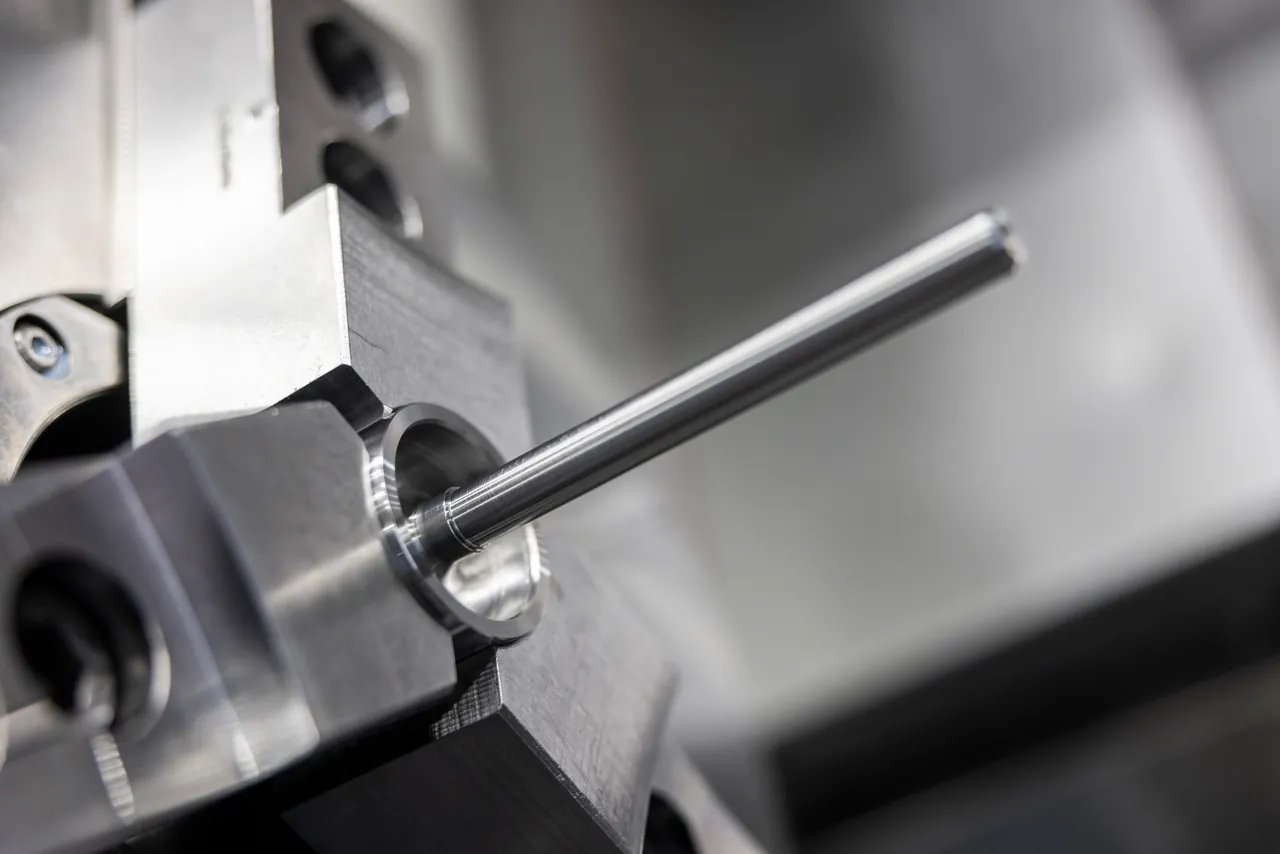
In CNC milling, a rotating tool removes material, for example to create faces, pockets and contours. In CNC turning, the workpiece rotates around its axis. Geometry determines which operation or combination of operations suits a component.
From enquiry to inspection
The machining route for your component
Which faces, bores and interfaces determine function? Together with the material and available information, these features form the basis for technical assessment.
The production route defines operations, setups and inspection points. The required documentation forms part of the same order.
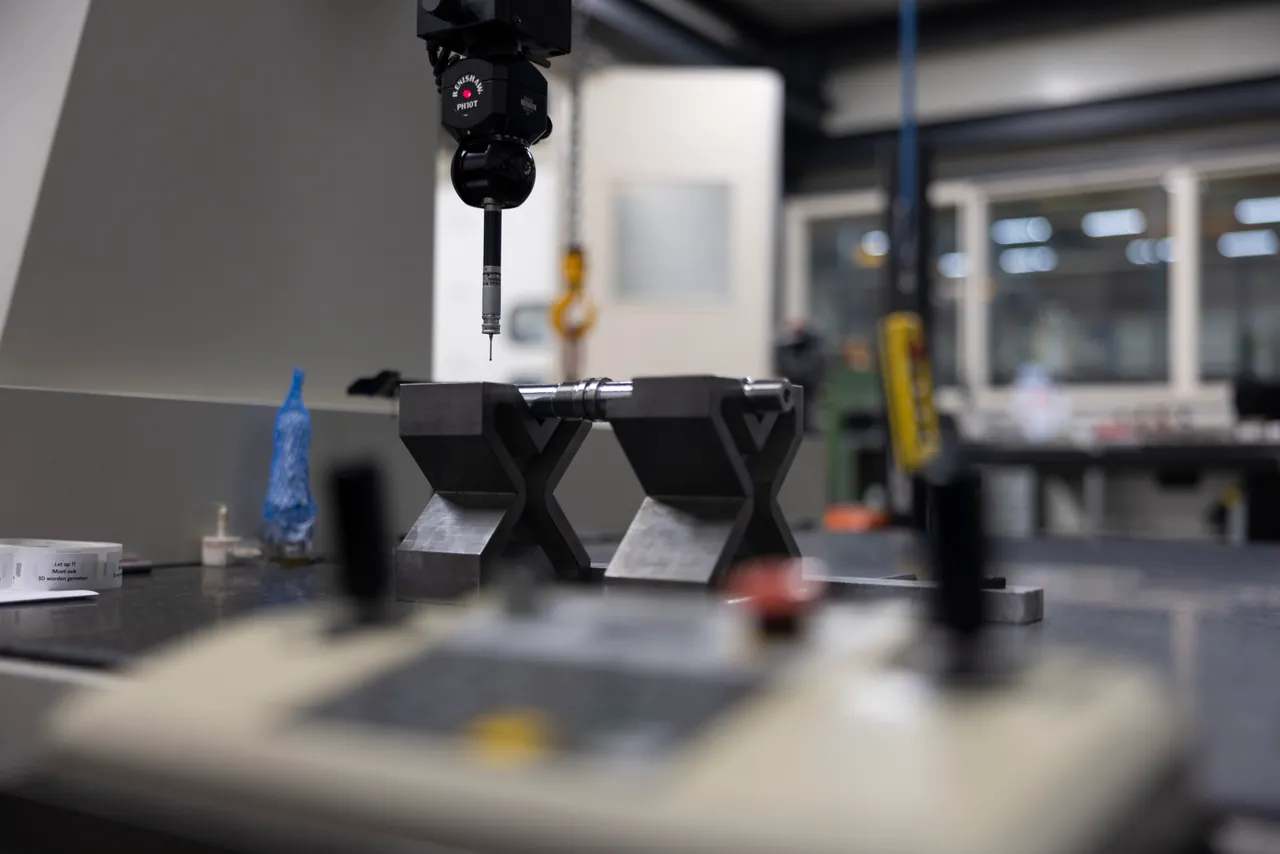
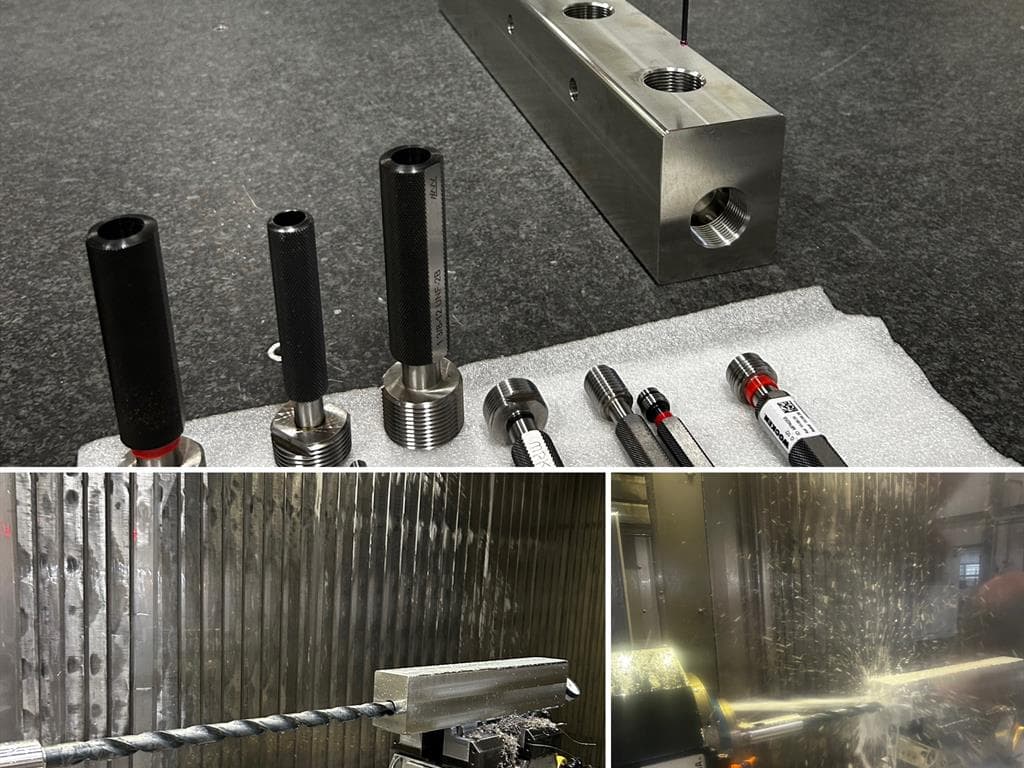
During preparation, we agree which features will be inspected and which documentation accompanies the component. Specific tolerances and material suitability are assessed for each order.
Frequently asked questions
Before you request a component
What information is needed to assess a CNC component?
The available drawing, material information and required delivery form the starting point. Identify dimensions, bores and interfaces that are critical to function. These are assessed together with the required workholding and inspection.
What tolerances are possible with CNC machining?
This is assessed technically for each component. Geometry, material, workholding and measurement method influence feasibility. There is therefore no general tolerance promise for all components; specify the required dimensions and their relationships on the drawing.